
Woolston Eyes Nature Reserve
An S.S.S.I. Managed by Woolston Eyes Conservation Group
Woolston Eyes Monthly Sightings
2026-04-09
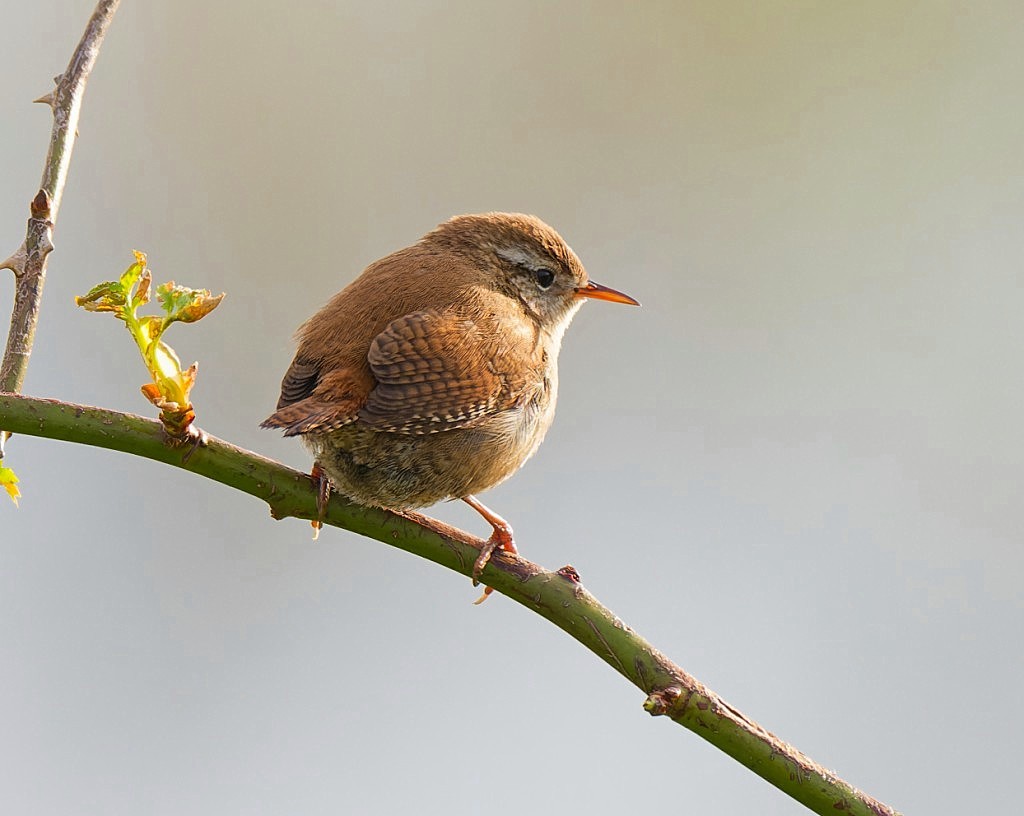
Photo of a Wren Cheers David
Submitted by: David Bowman
2026-04-09
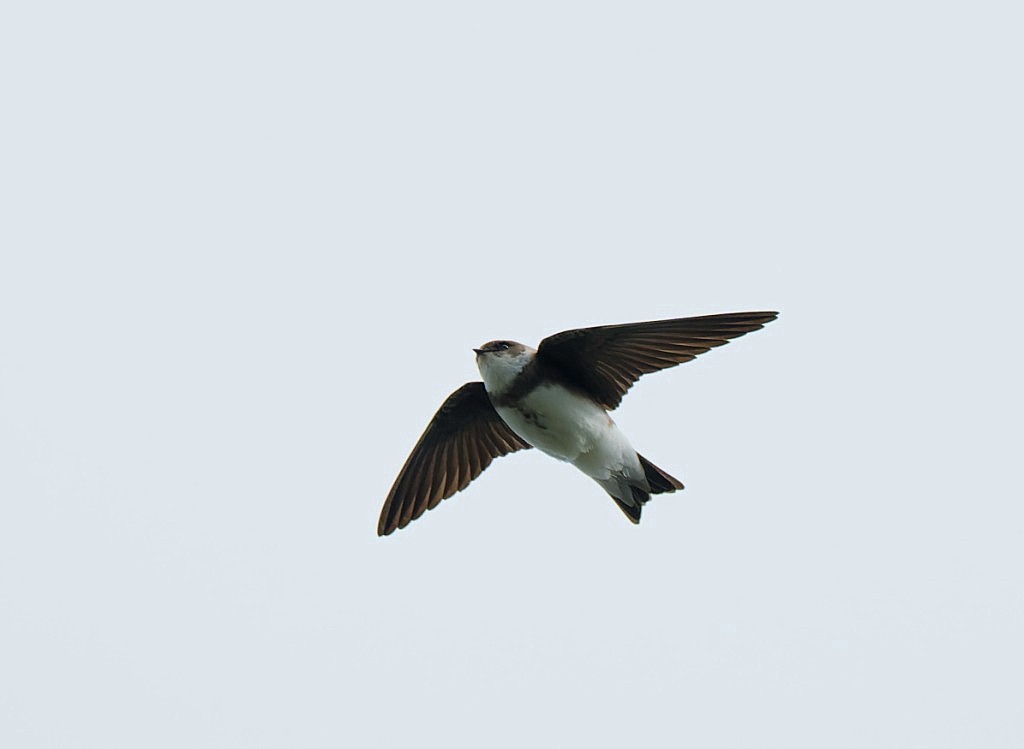
Although it was overcast with a cool westerly this morning, we reaped the benefits of the warm southerlies which had dominated the previous few days. After sightings of Merlin and Goshawk earlier in the week it was good to receive a report of an Osprey fishing in the Mersey by No.1 bed yesterday. It was soon evident, on No.4 bed this morning, that there had been a large influx of summer migrants. Counts included: 1 Yellow Wagtail, 1 House Martin, 1 Green Sandpiper, 2 Mediterranean Gulls, 2 Little Ringed Plovers, 3 Swallows, 2 Sedge Warblers, 8 Whitethroats, 4 Reed Warblers, 19 Willow Warblers, 91 Blackcaps, 102 Chiffchaffs, 600 Sand Martins, 30 Cetti’s Warblers and 2 Egyptian Geese. In addition, at least 35 Black-necked Grebes were counted and the four Marsh Harriers present included a displaying pair and a green colour-ringed male. As we were unable to read the ring number, he latter could have been one of the young previously fledged on the Reserve, or could have come from one of the other sites in Cheshire and Wirral which participate in the Marsh Harrier colour-ringing project. Photo of a Sand Martin Cheers David Bowman (with Dan Owen)
Submitted by: David Bowman
2026-04-05
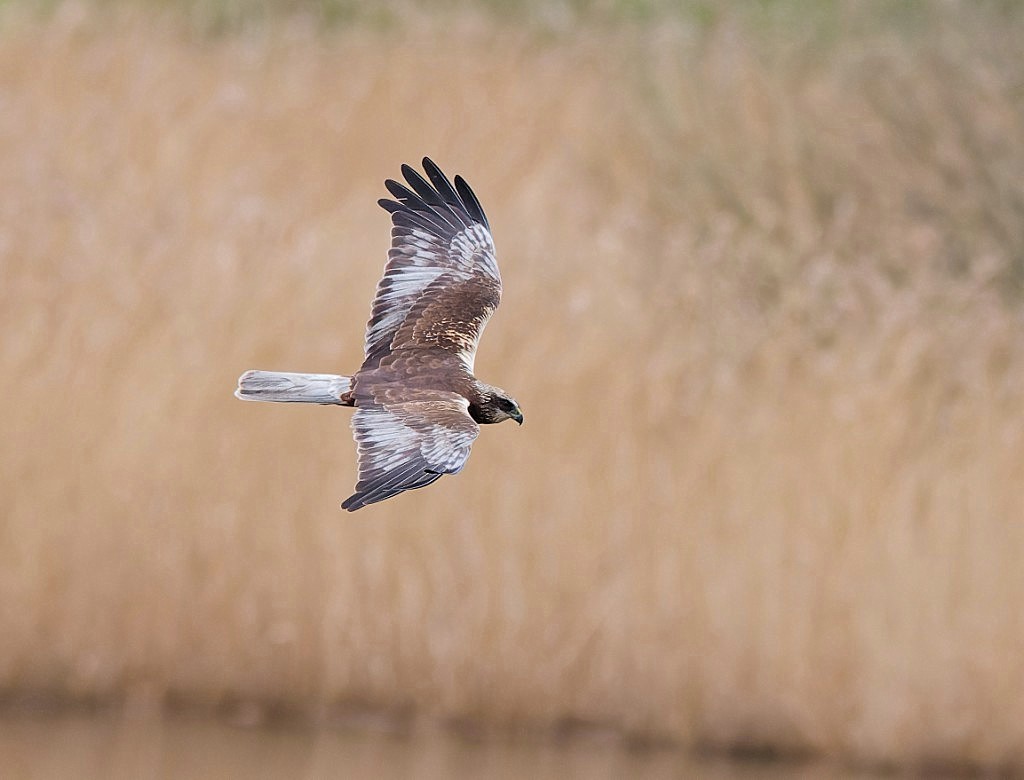
It’s been a good week for raptor sightings, with two scarce visitors recorded, alongside good counts of our commoner residents. On Wednesday Dave Riley watched a Goshawk fly through No.1 bed, while Saturday saw a Merlin flying east from No.4 bed. Both species have estimated UK breeding populations in excess of 1,000 pairs, with the Goshawk population steadily expanding. While we see the odd Merlin most years, Goshawks are much scarcer as they are a more sedentary species, with juveniles tending to establish territories close to their natal areas. In contrast, Merlins are more migratory, often moving from breeding grounds on upland moorlands to winter in coastal areas. In addition, Merlins from Iceland often move to winter in the UK. In terms of our resident species, three or four Marsh Harriers are a daily presence, while warm weather regularly sees Sparrowhawks displaying over all four beds, with over 20 Buzzards soaring around the perimeter of the Reserve and the odd Kestrel again on all four beds. Other sightings from Saturday included: 2 Swallows, 50 Sand Martins, 40 Black-necked Grebes, 1 Little RingedPlover, 1 Egyptian Goose and 3 Goosanders. Photo of a male Marsh Harrier Cheers David Bowman (with Dan Owen)
Submitted by: David Bowman
2026-04-03
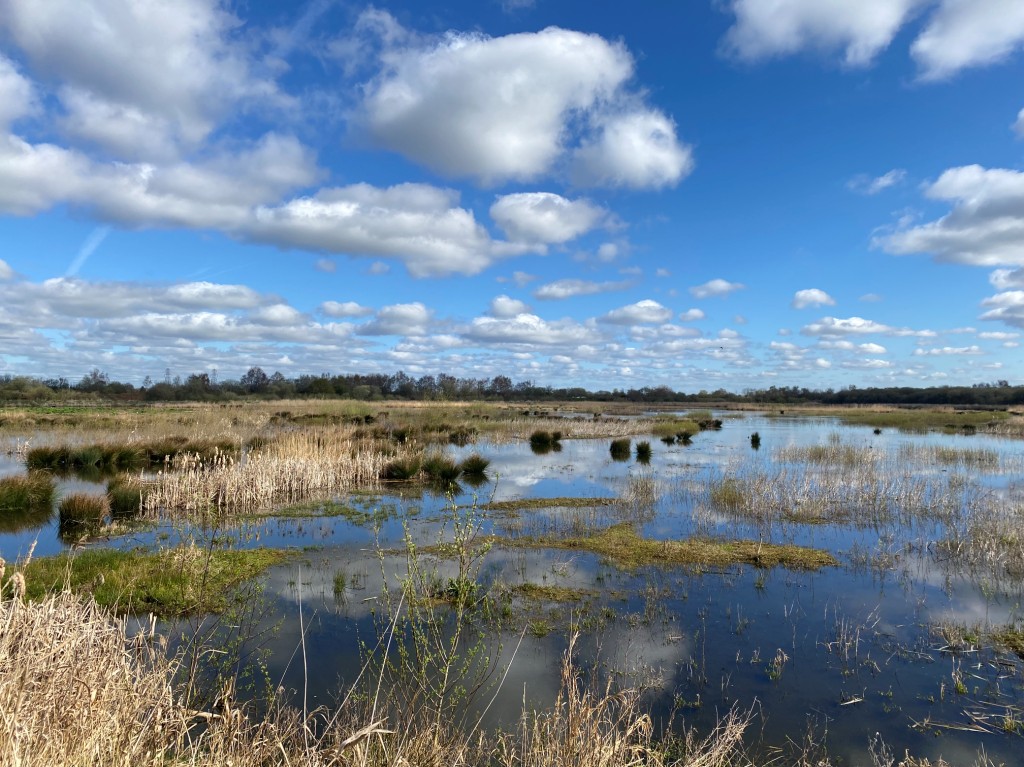
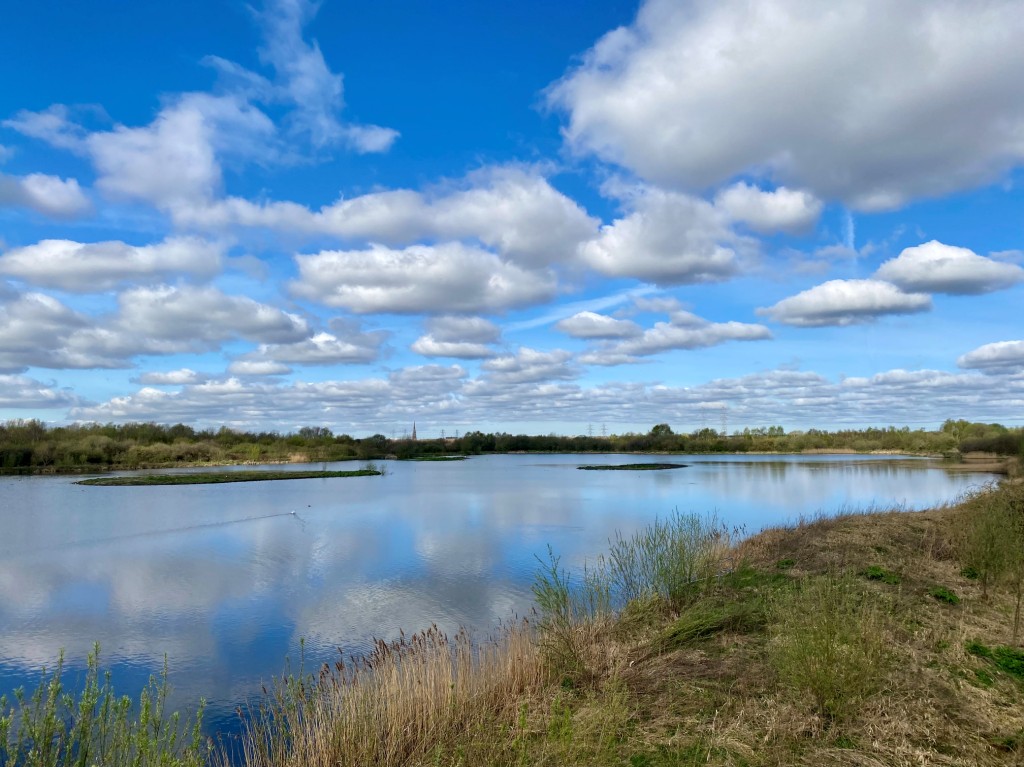
Photo looking east over No.4 bed Cheers David
Submitted by: David Bowman
2026-04-03
Photo looking NW over No.4 bed Cheers David
Submitted by: David Bowman
2026-04-03
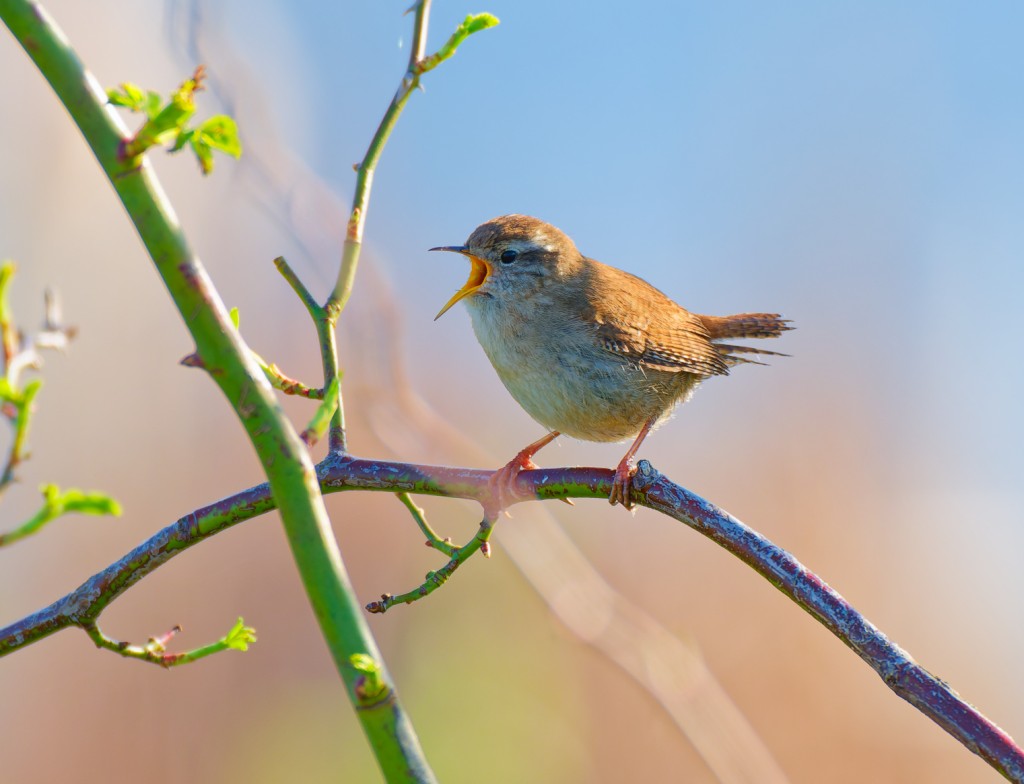
Photo of a singing Wren Cheers David
Submitted by: David Bowman
2026-04-03
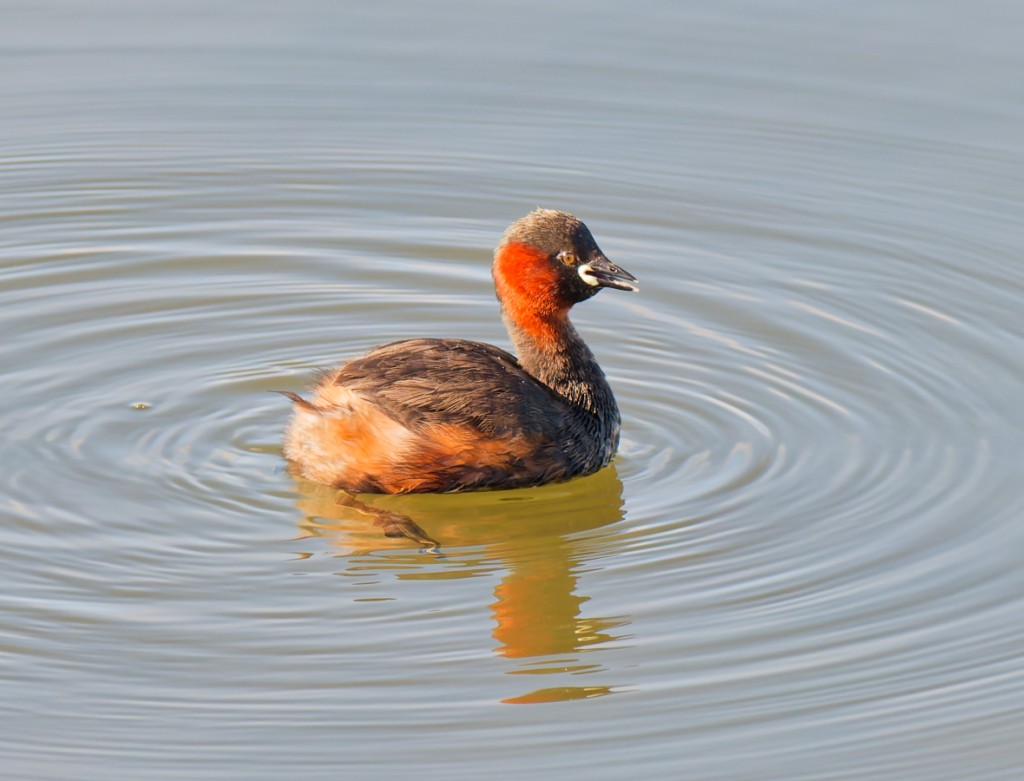
Photo of a Little Grebe Cheers David
Submitted by: David Bowman
2026-04-03
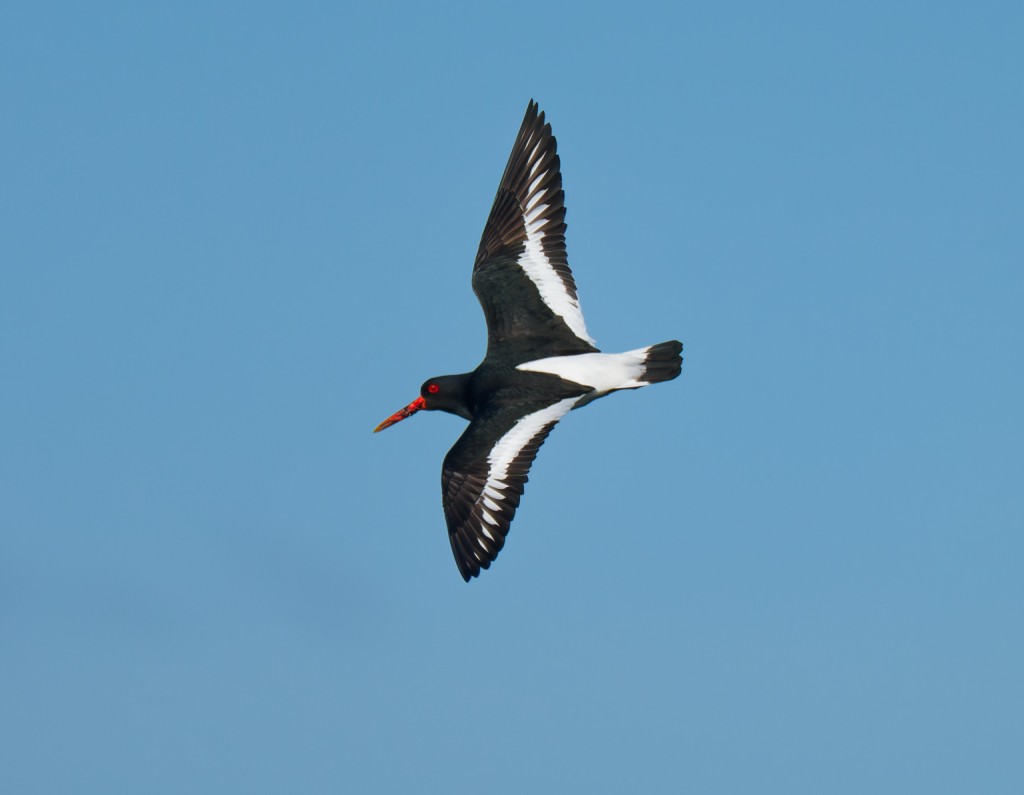
A bit of variety this week, with the annual Woolston Eyes jaunt to Wales to look for lekking Black Grouse and displaying Goshawks on Wednesday, followed by a session looking for visible migration on No.4 bed the following day. We were fortunate with Wednesday’s weather, in that it was dry though cold and overcast. Eight male Black Grouse were at the usual lekking site and it’s always evocative to hear the males giving their distinctive bubbling call as they duel with each other for dominance. Other sightings at the lek included our first Wheatear of the year, plus Red Grouse and Ravens. Then it was over to Llyn Brenig to search for Goshawks. The nearby Clocaenog Forest is a hot-spot for breeding Goshawks and we were quickly treated to very close views of a large female, perched at the side of a forestry track, followed by more distant views of a hunting bird. Thursday’s session on No.4 bed brought warmer weather and counts included: 1 Little Ringed Plover, 1 Willow Warbler, 3 Swallows, 10 Blackcaps, 220 Sand Martins, 40 Black-necked Grebes, 2 feral Barnacle Geese and 4 Oystercatchers. Photo of an Oystercatcher Cheers David Bowman (with Dan Owen, Dave Steel and John Ireland)
Submitted by: David Bowman