
Woolston Eyes Nature Reserve
An S.S.S.I. Managed by Woolston Eyes Conservation Group
Woolston Eyes Monthly Sightings
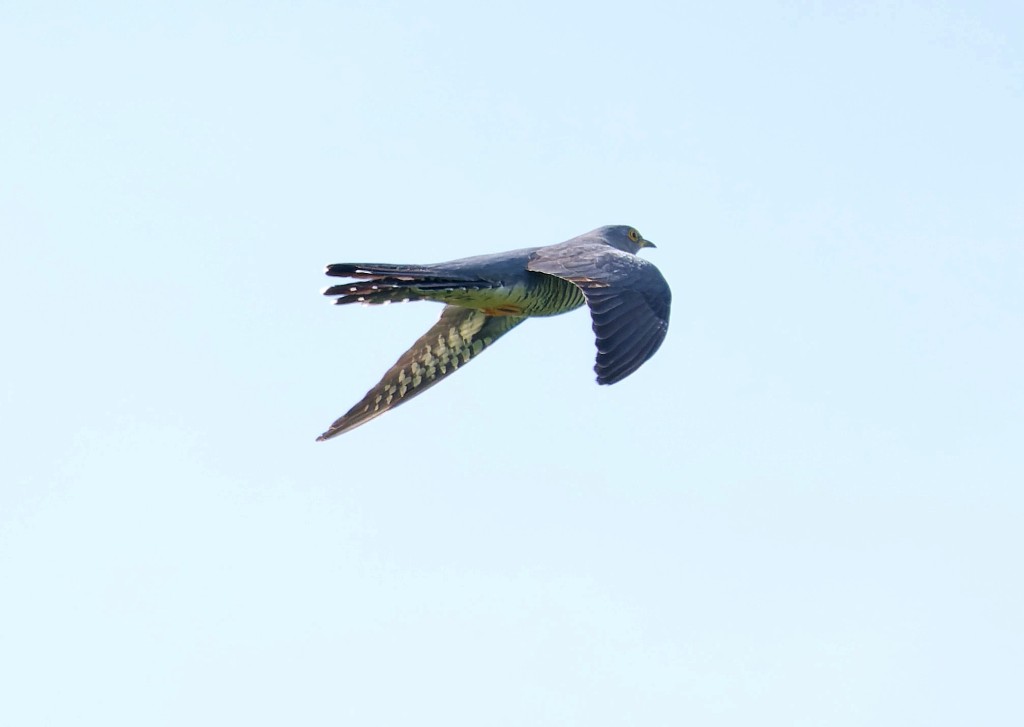
2026-05-30
Record shot of a Cuckoo Cheers David
Submitted by: David Bowman
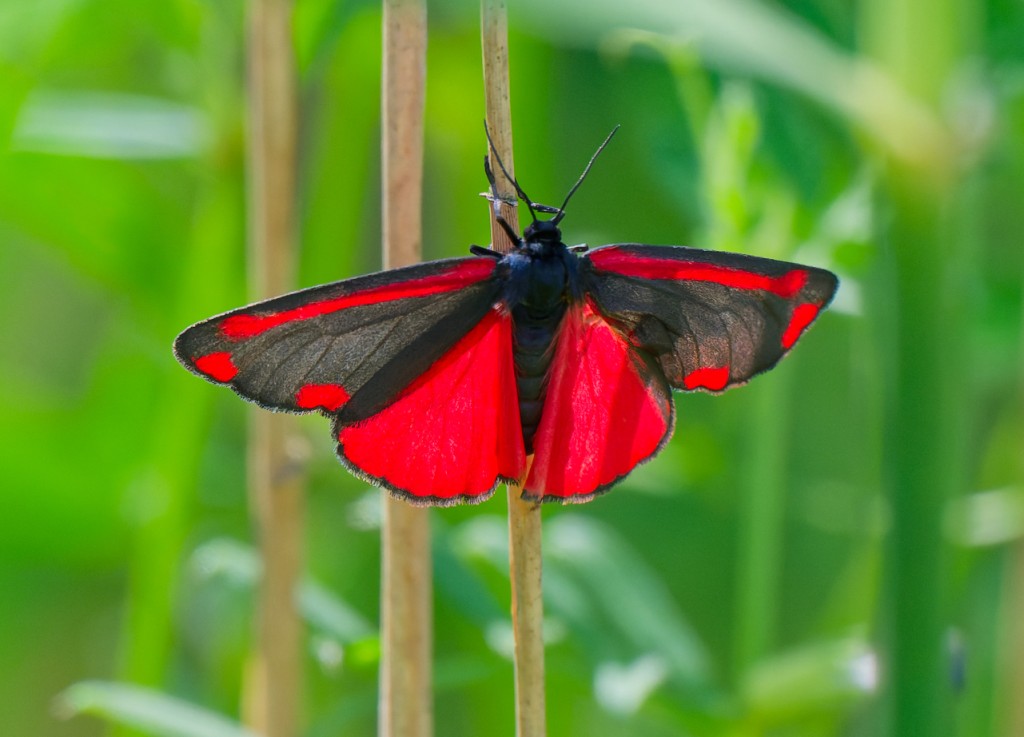
2026-05-30
Photo of a Cinnabar Moth Cheers David
Submitted by: David Bowman
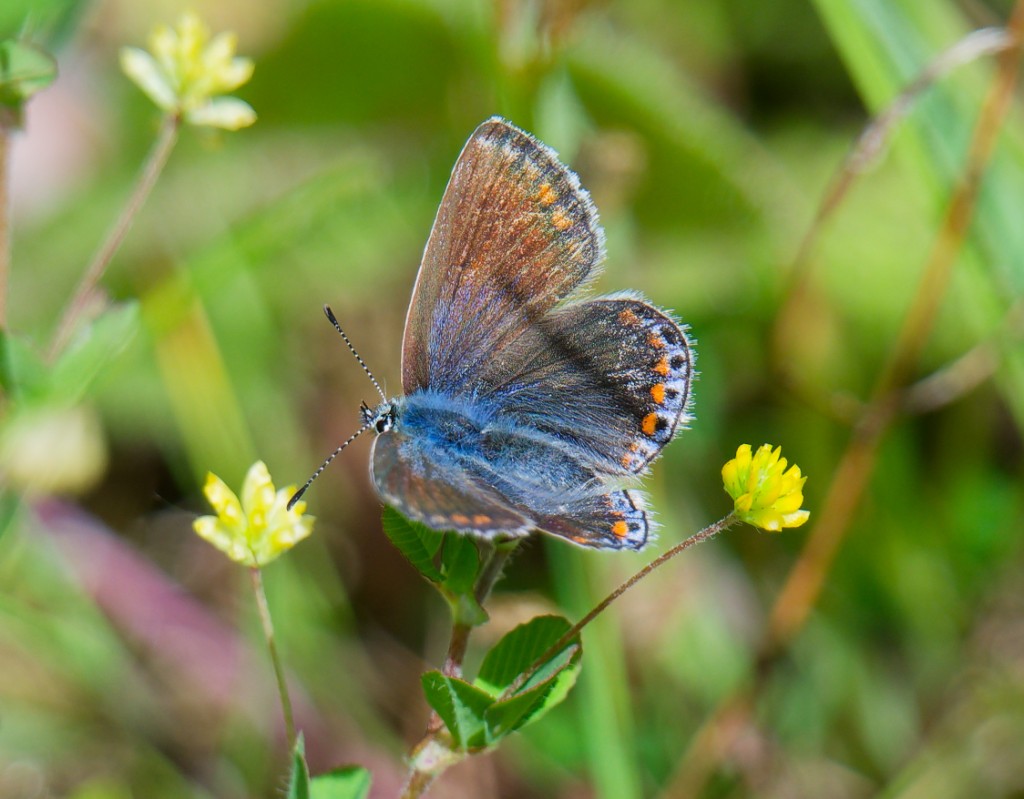
2026-05-30
Photo of a female Common Blue butterfly Cheers David
Submitted by: David Bowman
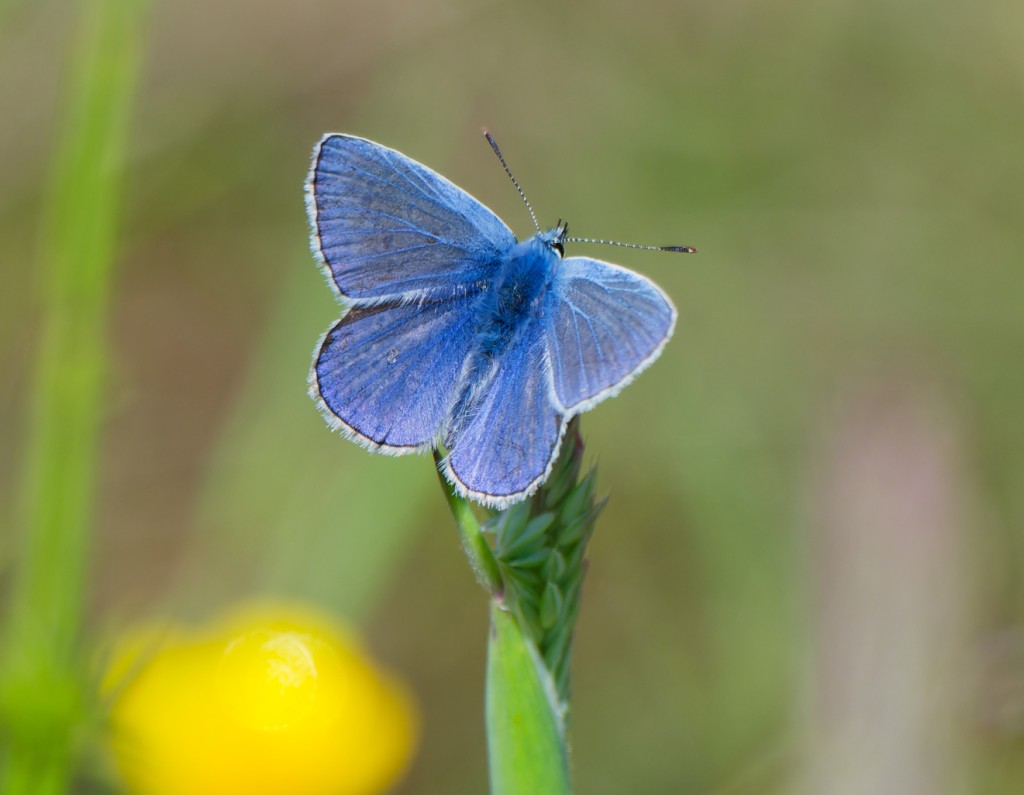
2026-05-30
Photo of a male Common Blue butterfly Cheers David
Submitted by: David Bowman
2026-05-30
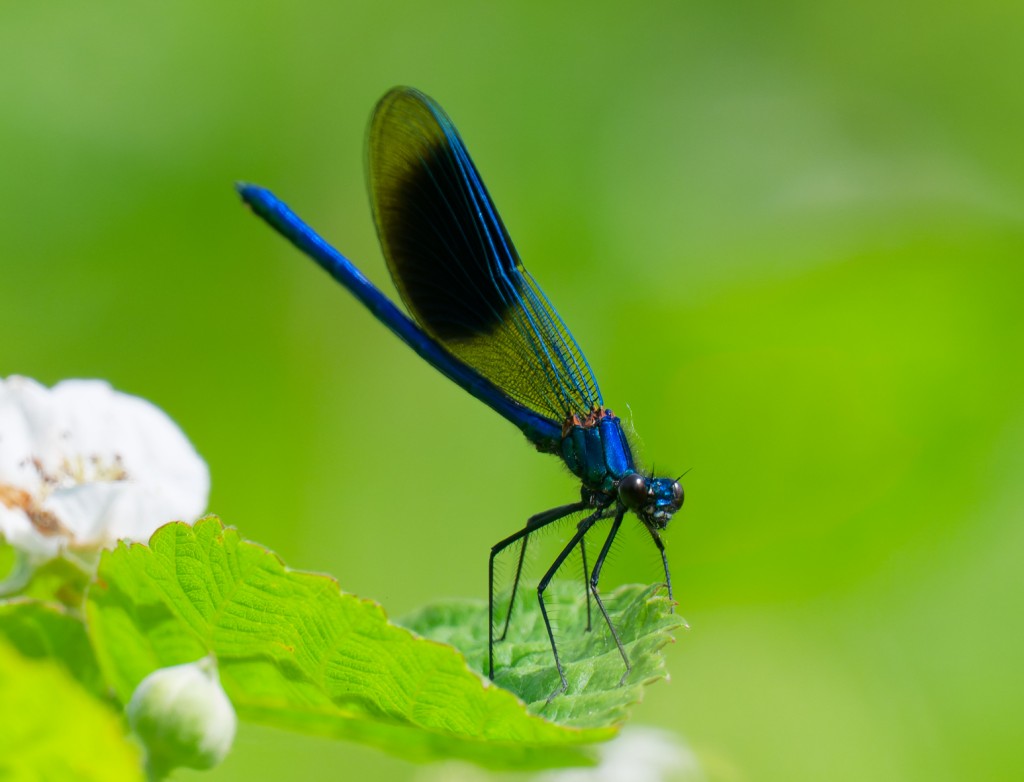
With the first day of summer just around the corner we were treated to one of those special late spring mornings at Woolston Eyes. It was hot without being oppressive and under clear blue skies we were treated to some memorable sightings. We made early starts on Nos.3 and 4 beds to check on our breeding water-birds and were pleased to see and hear several Cuckoos on both beds. We then set off to explore the mosaic of flower-rich grassland and small pools on No.1 bed, with the aim of conducting a survey of dragonflies and butterflies. As we were leaving No.3 bed 20 Red-eyed Damselflies were active below the Footbridge. On No.1 bed we were soon side-tracked, when we heard two Cuckoos in song around the margins of a small reedy pool. We were then treated to a spectacular display as two males appeared, aggressively chasing and repeatedly whirling round us at close range. It’s literally been decades since Cuckoos were present in such good numbers. At the moment we reckon as many as twelve are present and possibly breeding on all four beds, a remarkable turn-around for a species which, several years ago, had become a less-than-annual visitor. Then it was back to our survey work with some excellent butterfly totals achieved, including: 18 Common Blues, 37 Painted Ladies, 1 Meadow Brown and 5 Large Skippers. Dragonflies were also plentiful, with highlights of: 9 Emperors, 14 Banded Demoiselles, 9 Four-spotted Chasers, 5 Broad-bodied Chasers, 6 Blue-tailed Damselflies, 50 Azure Damselflies and a surprise of one Red-eyed Damselfly, probably a first for the bed. Photo of a male Banded Demoiselle Cheers David Bowman (with Dan Owen, Helen Wynn and Brian Baird)
Submitted by: David Bowman
2026-05-29
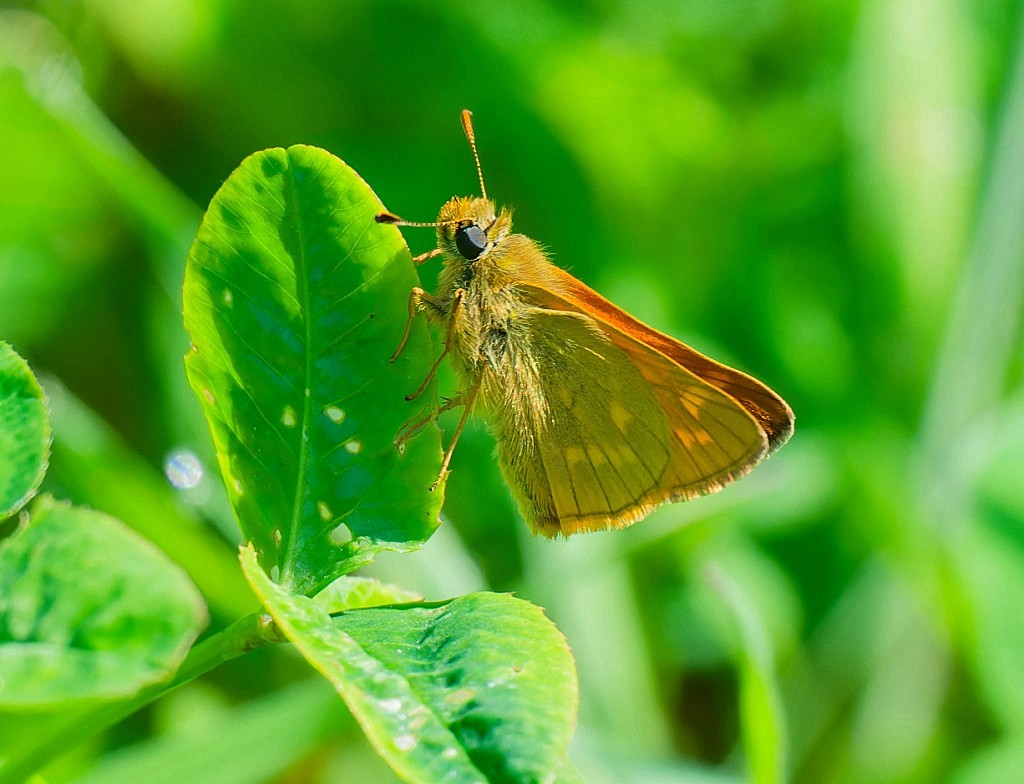
Photo of a Large Skipper Cheers David
Submitted by: David Bowman
2026-05-29
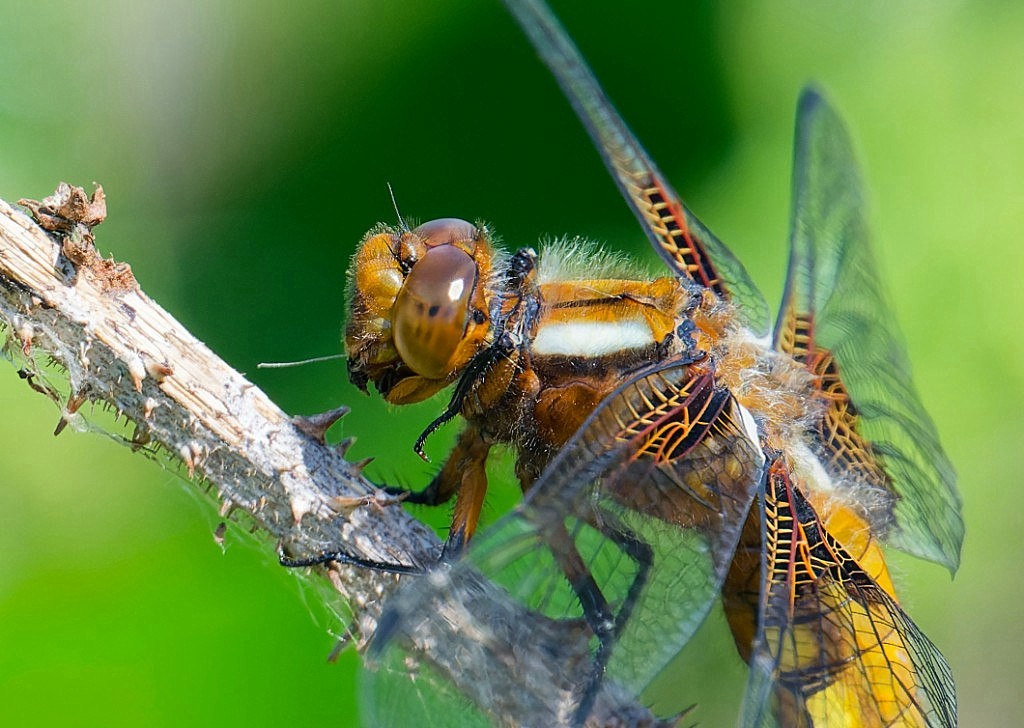
Photo of a Broad-bodied Chaser Cheers David
Submitted by: David Bowman
2026-05-29
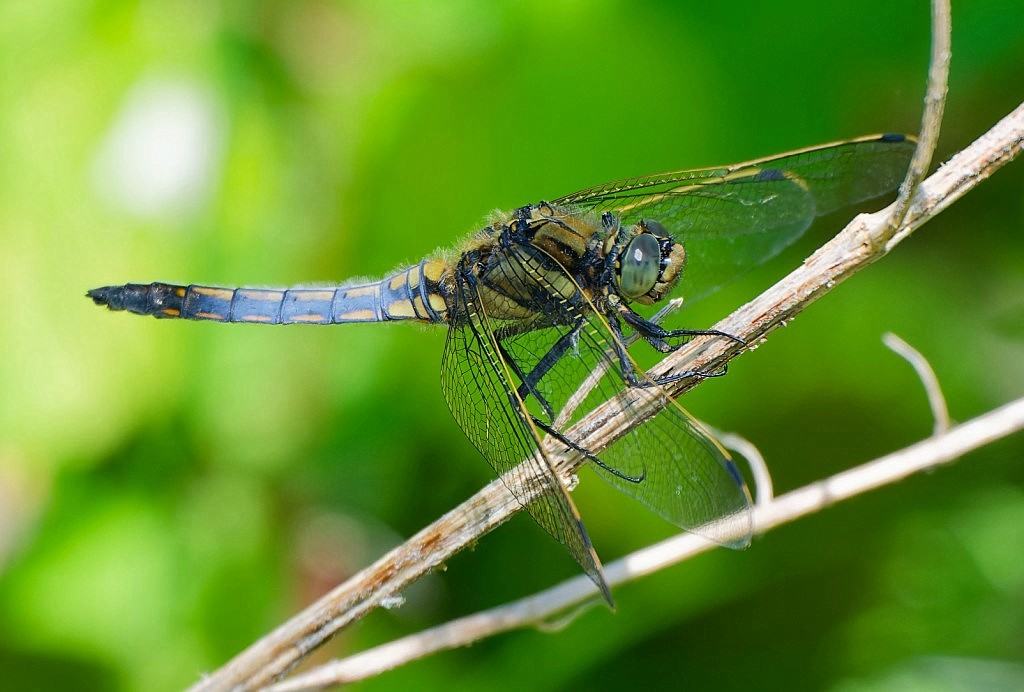
Photo of a male Black-tailed Skimmer Cheers Davif
Submitted by: David Bowman
2026-05-29
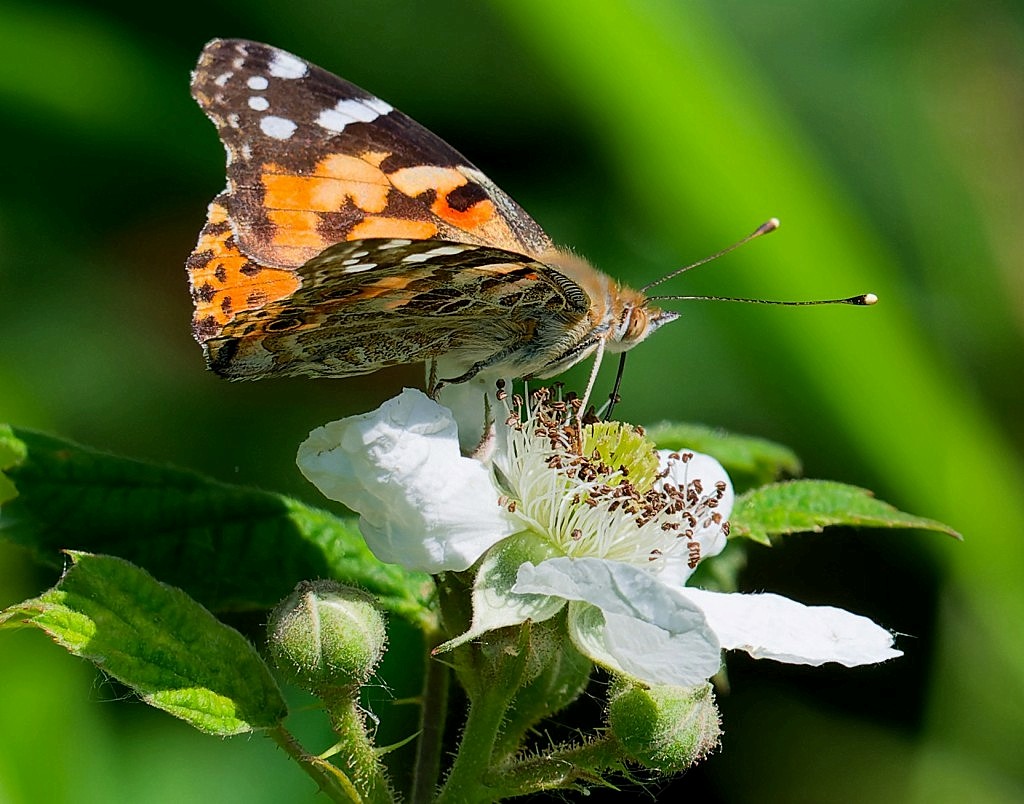
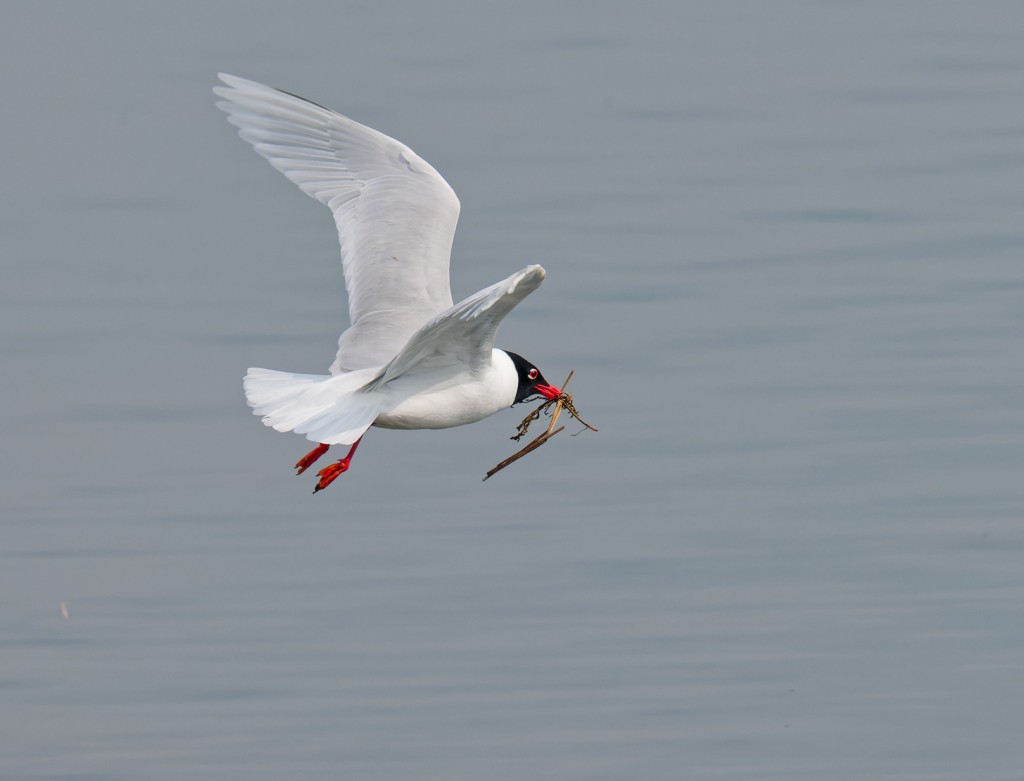
Yesterday was another hot one and we started by checking on the progress of key breeding species on No.3 bed, before switching to a dragonfly and butterfly survey on No.4 bed. Our nesting pair of Mediterranean Gulls still has two healthy looking chicks, though it’ll be a long five weeks or so for them to survive till fledging, given the risk from predators on the bed. Marsh Harriers, Buzzards, Lesser Black-backed Gulls and Mink are all partial to gull chicks, so fingers crossed. For our key breeding water-birds, broods are now starting to emerge, with three broods of Black-necked Grebe and five of Pochard located so far with, hopefully, many more to come. With up to five Cuckoos having been noted and at least one female calling at times, we might even have a chance of seeing this enigmatic species breeding again. One of the side-effects of the sustained southerly winds and hot weather has been a large influx of two migratory species, Painted Lady butterflies and Silver Y moths, both of which winter around the Mediterranean Basin and arrive in spring in varying numbers from year to year. This year has been exceptional and our survey of part of No.4 bed produced 53 Painted Ladies and 49 Silver Ys. Across the whole Reserve, the numbers of both must have easily run into triple figures. Other counts from the day included: 6 Large Skippers, 10 Red-eyed Damselflies, 31 Black-tailed Skimmers, 32 Broad-bodied Chasers and one Four-spotted Chaser.
Photo of a Painted Lady
Cheers David Bowman (with Dan Owen)
Submitted by: David Bowman
2026-05-25
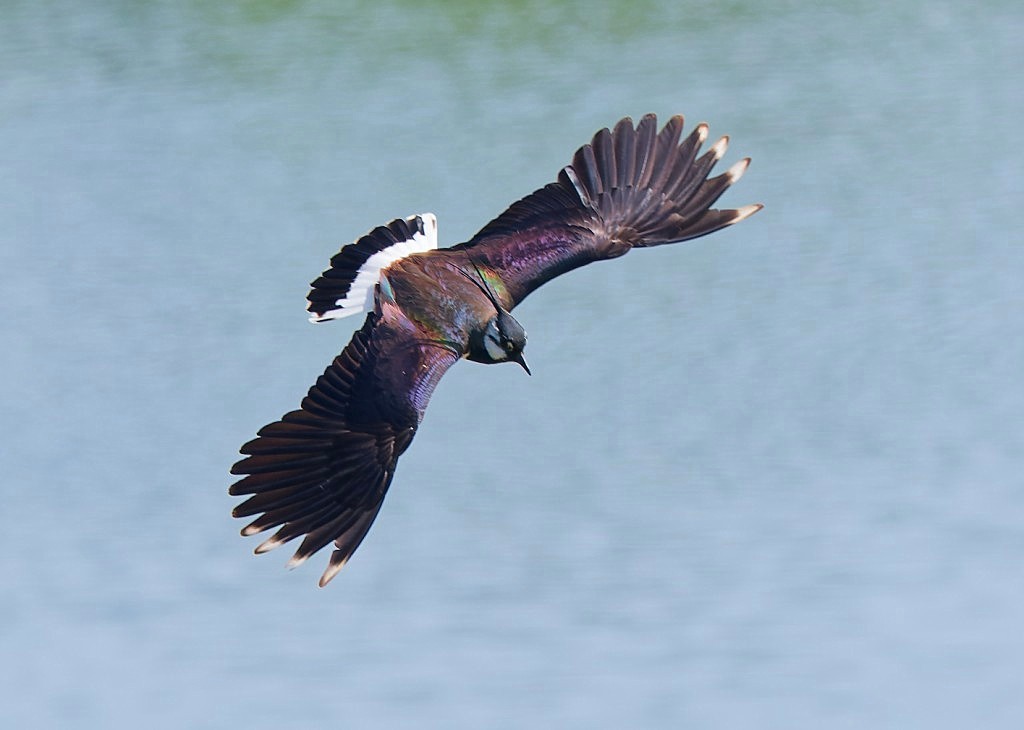
With the mercury forecast to break 30 degrees C today it was worth making a very early start. In the end, the effort was well worthwhile, as it turned into something of a red letter day. Settling into the Morgan Hide on No.3 bed to scan for broods and it wasn’t long before a Black-necked Grebe came out of cover, with a tiny chick riding on its back, the first of the season. Then a skulking female Pochard eventually brought three small young out of the reeds, our second brood so far, with one on No.4 bed on Saturday. The potential prize, though, would come from trying to prove our first ever successful breeding by Mediterranean Gulls. These attractive small gulls have slowly spread across the UK from southern Europe and the breeding population is now around 600 pairs nationally. For the past decade or so, pairs have looked like breeding on the Reserve, only to fail at an early stage. This year, though, a pair has been settled on a nest on one of the gull rafts, alongside Black-headed Gulls, for a month or so. Focussing my ‘scope on the nest site for a lengthy period, I watched the adults conduct several nest change-overs before finally seeing a tiny head bob up in the nest, briefly, before the adult settled back to shade it from the fierce sun. Later on, I managed to get better views of at least one chick, so fingers crossed that successful fledging will follow. Other sightings included: drake Garganey, Common Tern, 2 Marsh Harriers and, Cuckoo. Photo of a Lapwing Cheers David Bowman
Submitted by: David Bowman
2026-05-21
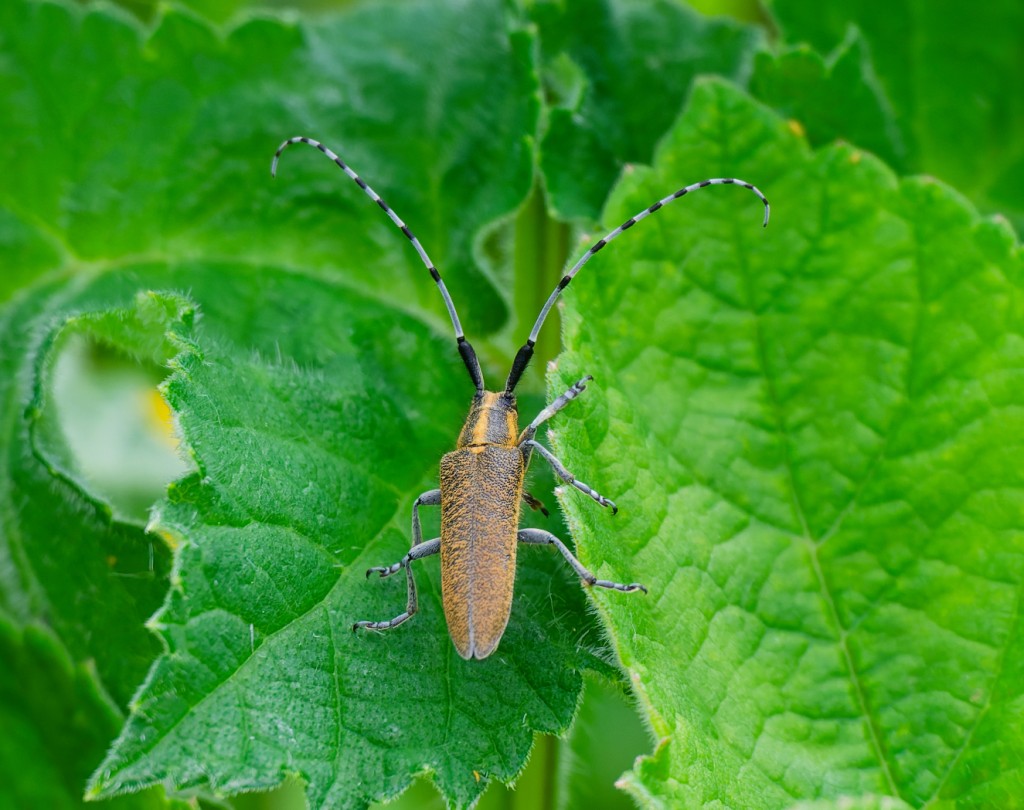
With the weather starting to warm and a hot spell in prospect, birds, butterflies, dragonflies and insects are all humming with activity. Reports from yesterday included Spotted Flycatcher and Common Tern on No.3 bed, while early morning on No.4 bed today initially produced a drake Garganey, two Little Ringed Plovers, a Dunlin and a late Snipe, alongside the masses of commoner breeding birds. Then a male Hobby flew through, carrying prey and headed off in a south-westerly direction. At this time of year, pairs of Hobby indulge in courtship display flights, which can include food passes from the male to the female, so I guess this male was heading back to a nearby breeding territory. It was also pleasing to see that the Oystercatcher pair on one of the islands has successfully hatched young for the second successive year. Over on No.3 bed, the pair of Mediterranean Gulls is still settled at the nest while, unusually, both breeding female Marsh Harriers were seen actively hunting away from their nest sites. When incubating eggs or brooding small young, females usually stick close to the nest and are provisioned by the male, so let’s hope that nothing untoward has happened. We finished the morning with some insect photography and a dragonfly & buttefly survey of the bed, with totals of: 1 Banded Demoiselle, 9 Broad-bodied Chasers, 1 Blue-tailed Damselfy, 6 Common Blue Damselflies, 60 Azure Damselflies, 23 Peacocks, 4 Orange Tips, 2 Red Admirals and 2 Speckled Woods. Photo of a Golden-bloomed Longhorn Beetle Cheers David
Cheers David Bowman (with Dan Owen)
Submitted by: David Bowman
2026-05-19
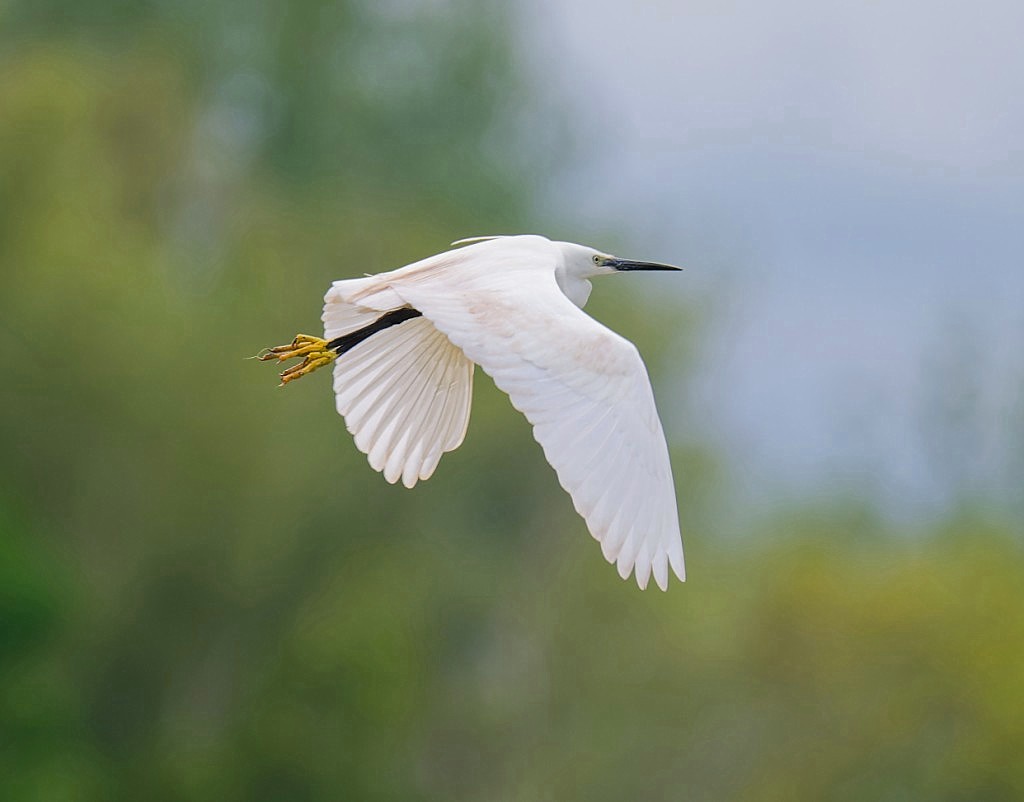
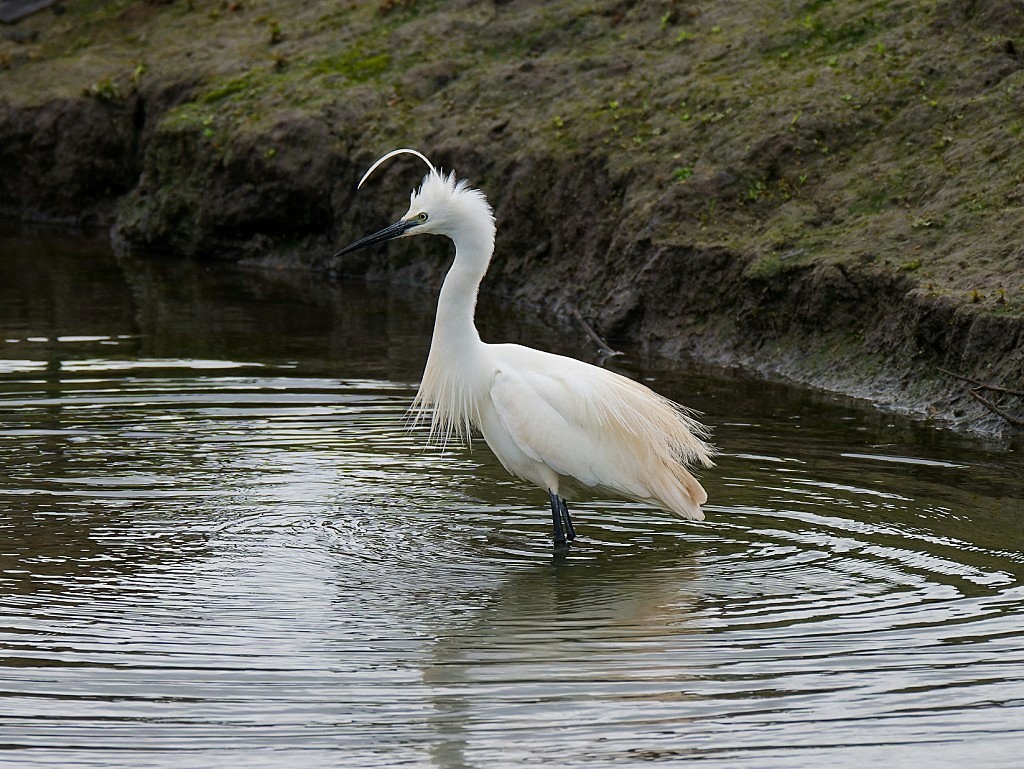
Photo of a Little Egret in flight. Cheers David
Submitted by: David Bowman
2026-05-19
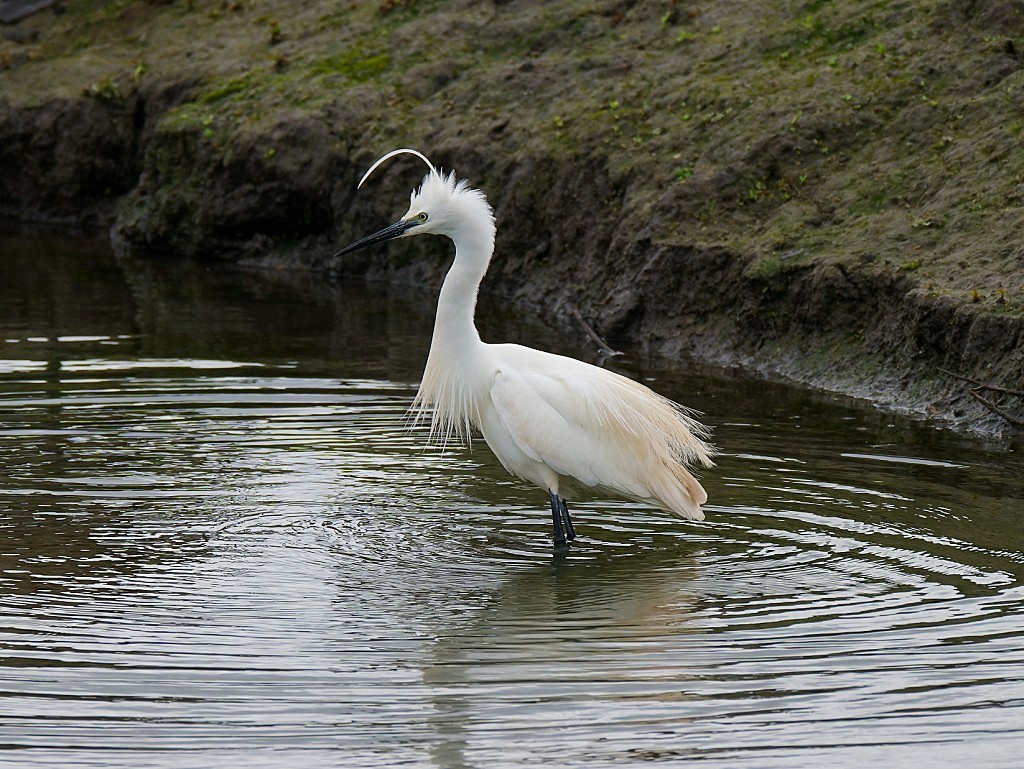
Its been a busy few days, with the breeding season in full swing and the monthly Wetland Birds Survey (WeBS) taking place on Thursday. The survey produced 1,602 water-birds of 30 species, which is a good count for May. Highlights included: 1 Arctic Tern, 2 Pintail, 12 Water Rails, 3 Little Ringed Plovers, 3 Mediterranean Gulls, 116 grebes (41 Black-necked, 47 Little and 26 Great Crested), 44 Pochard and 3 Kingfishers. Saturday saw an amazing record count of 700 Stock Doves feeding on arable fields to the south of Butchersfield Tip, 15 singing Garden Warblers across the Reserve, while Cuckoos have been in song on a daily basis. We started this morning on No.4 bed, where 120 Swifts and a Little Ringed Plover were the pick of the bunch. Then on to No.3 bed, where more broods were continuing to appear, including our first of Mute Swan, with three cygnets trailing behind the parents and another two riding on the female’s back. The pairs of Mediterranean Gulls and Lapwings are still on nests, with the latter valiantly fending off any intruders, including a Little Egret and an Oystercatcher. It’s also pleasing to note a further increase in Black-necked Grebes on the bed, with 20 noted and possibly more secreted away on nests. Photo of a Little Egret Cheers David Bowman (with Dan Owen, Kara Scholes and Ben Secker)
Submitted by: David Bowman
2026-05-19
Its been a busy few days, with the breeding season in full swing and the monthly Wetland Birds Survey (WeBS) taking place on Thursday. The survey produced 1,602 water-birds of 30 species, which is a good count for May. Highlights included: 1 Arctic Tern, 2 Pintail, 12 Water Rails, 3 Little Ringed Plovers, 3 Mediterranean Gulls, 116 grebes (41 Black-necked, 47 Little and 26 Great Crested), 44 Pochard and 3 Kingfishers. Saturday saw an amazing record count of 700 Stock Doves feeding on arable fields to the south of Butchersfield Tip, 15 singing Garden Warblers across the Reserve, while Cuckoos have been in song on a daily basis. We started this morning on No.4 bed, where 120 Swifts and a Little Ringed Plover were the pick of the bunch. Then on to No.3 bed, where more broods were continuing to appear, including our first of Mute Swan, with three cygnets trailing behind the parents and another two riding on the female’s back. The pairs of Mediterranean Gulls and Lapwings are still on nests, with the latter valiantly fending off any intruders, including a Little Egret and an Oystercatcher. It’s also pleasing to note a further increase in Black-necked Grebes on the bed, with 20 noted and possibly more secreted away on nests. Photo of a Little Egret Cheers David Bowman (with Dan Owen, Kara Scholes and Ben Secker)
Submitted by: David Bowman
2026-05-09
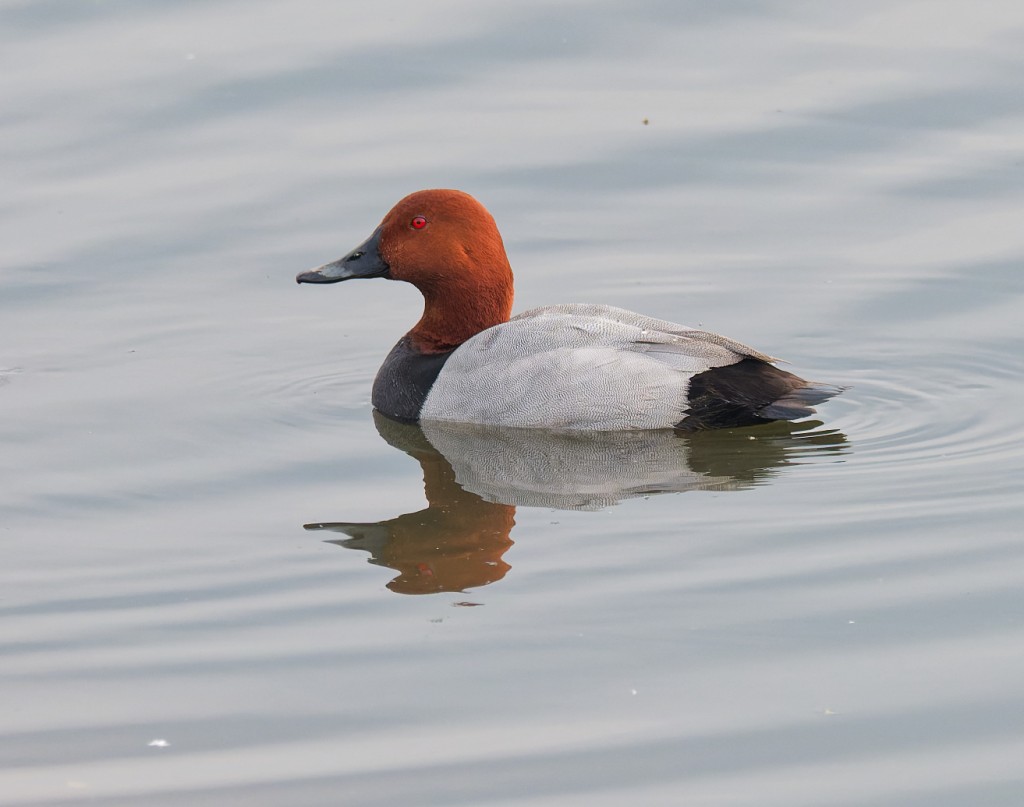
Photo of a drake Pochard Cheers David
Submitted by: David Bowman
2026-05-09
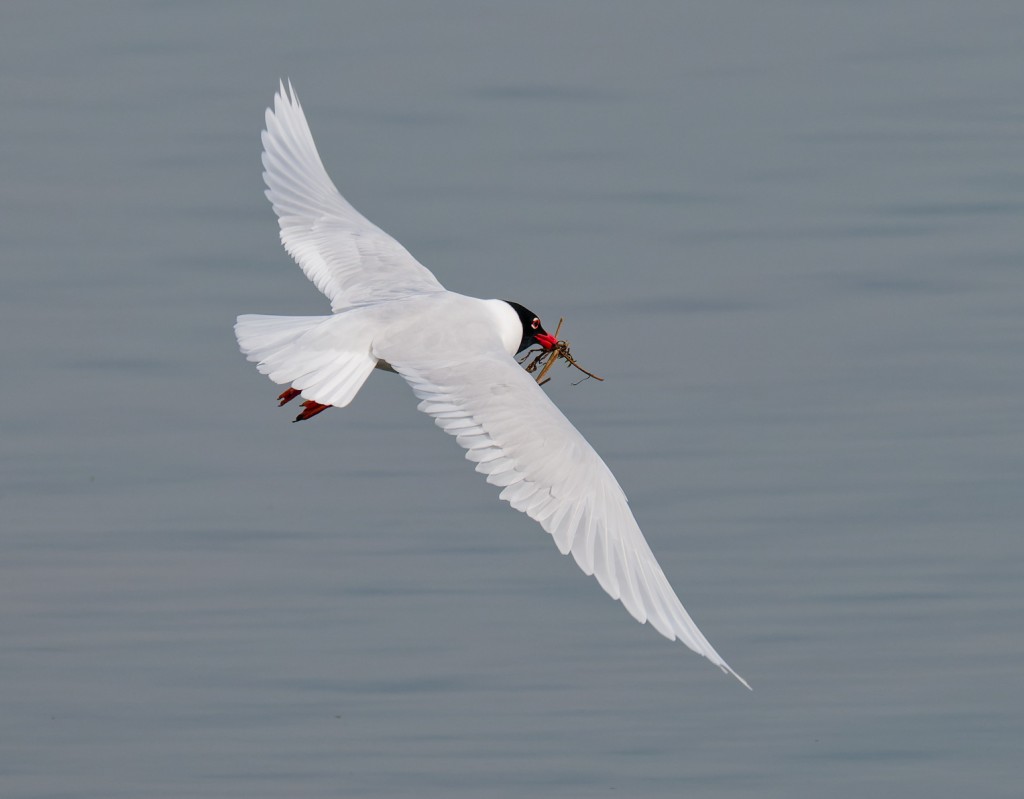
Photo of a Mediterranean Gull Cheers David
Submitted by: David Bowman
2026-05-09
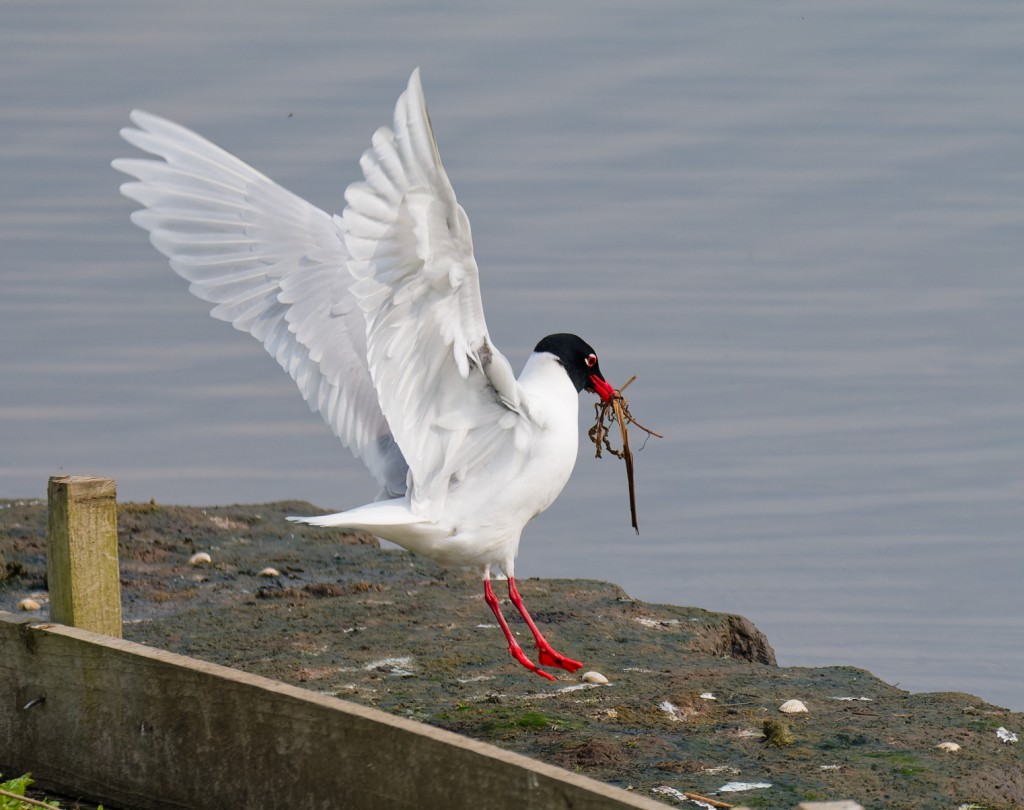
Photo of a Mediterranean Gull Cheers David
Submitted by: David Bowman
2026-05-09
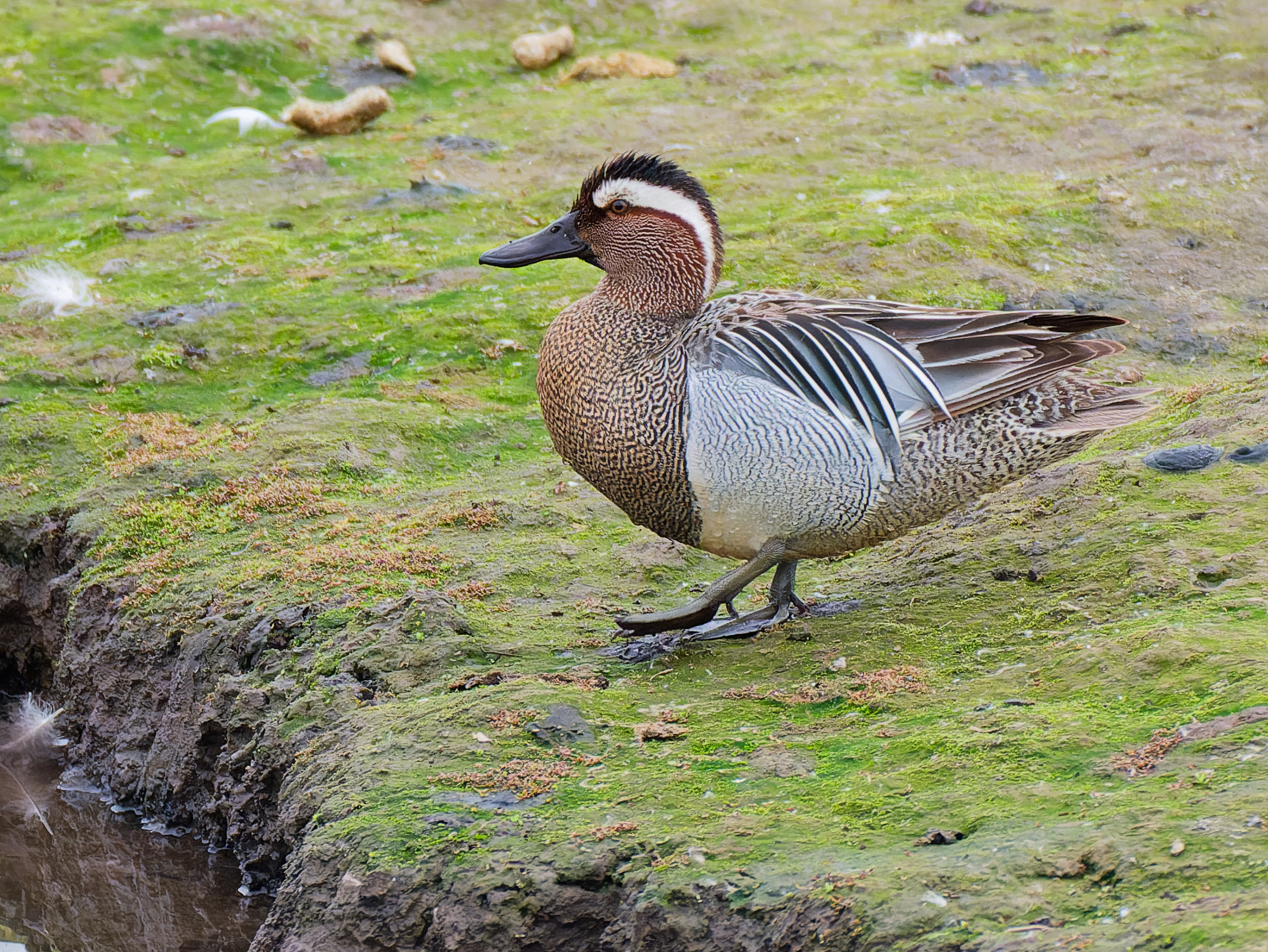
Photo of a Mediterranean Gull Cheers David
Submitted by: David Bowman
2026-05-09
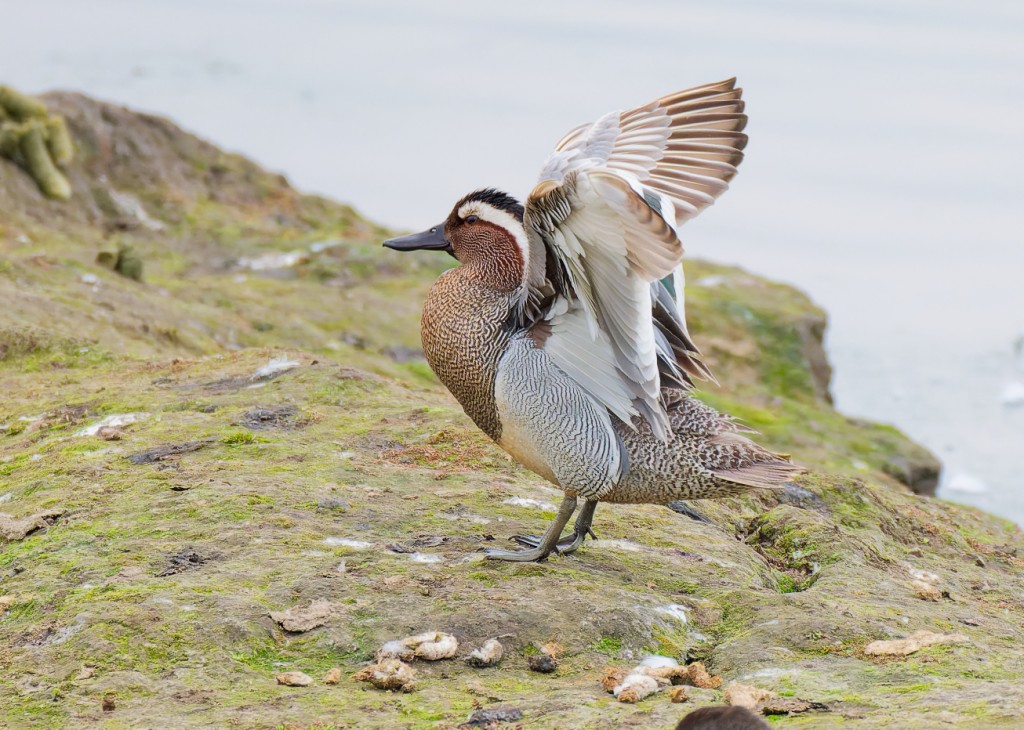
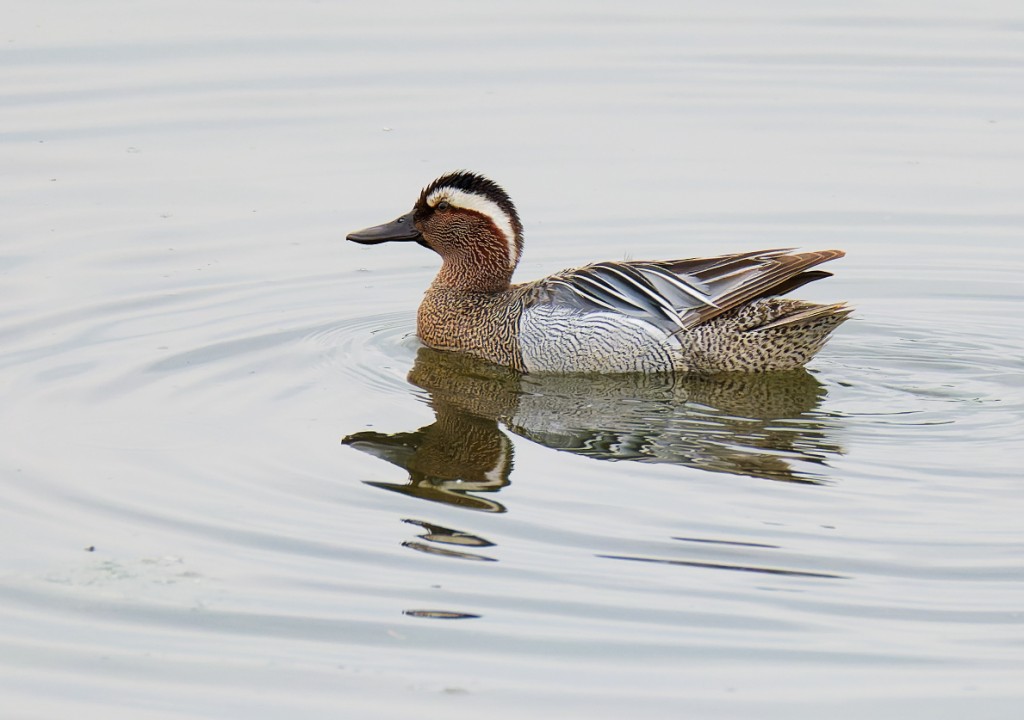
Photo of a drake Garganey Cheers David
Submitted by: David Bowman
2026-05-09
Photo of a drake Garganey Cheers David
Submitted by: David Bowman
2026-05-09
With the main flush of spring migration over, it was interesting to see how our static sound recorders kept picking up species which otherwise we wouldn’t have known about. Over the past few days, these have included Grey Plover and Green Woodpecker. The latter used to be a regular sighting at the eastern end of the Reserve, breeding on Lymm Golf Course till a lot of the large trees were removed, since when they have been a less than annual sighting. The three drake Garganey which were so conspicuous earlier in the week, seemed to be absent this morning, though they can be very skulking. At least two Cuckoos were still calling, though keeping mainly in cover. Sightings from No.4 bed included two Ringed Plovers and a Little Egret, while on No.3 bed the pair of Mediterranean Gulls are still on a nest, the long-suffering male Lapwing which haunts the Morgan Hide scrape has finally attracted a female, which was sitting on three eggs and the Black-headed Gull colony has suddenly increased to maybe 200 pairs. The pair of Marsh Harriers is still at a presumed nest site, though they did give cause for concern when they started frantically dive-bombing an unseen predator right by the nest. We were, though, eventually reassured to see the female settle back in, carrying a fresh sprig of vegetation. Photo of a drake Garganey Cheers David Bowman (with Dan Owen, Helen Wynn, Brian Baird and Ben Secker)
Submitted by: David Bowman
2026-05-05
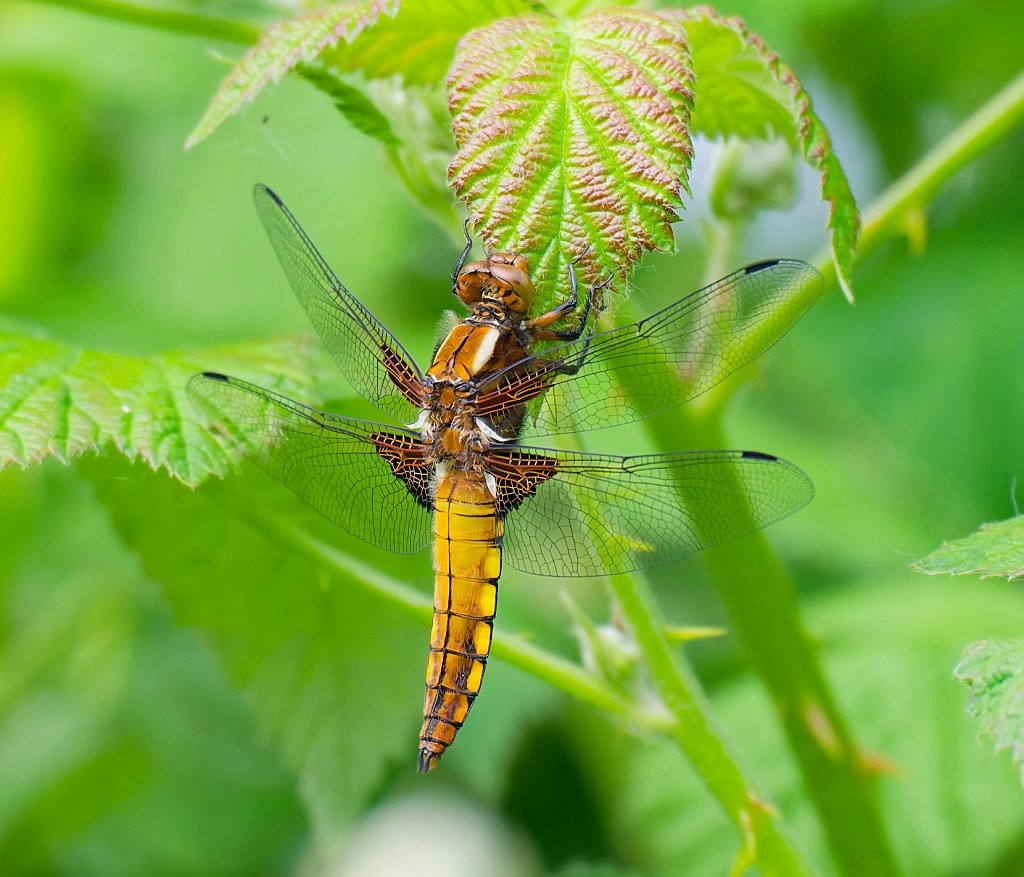
Photo of a Broad-bodied Chaser Cheers David
Submitted by: David Bowman
2026-05-05
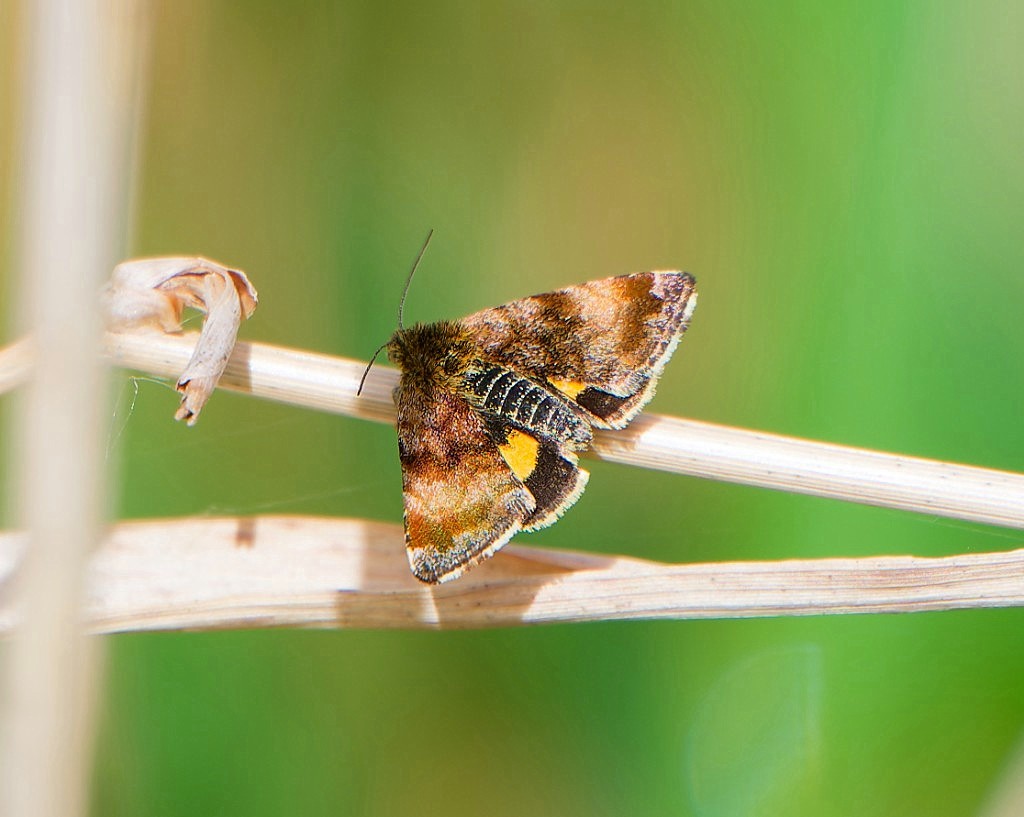
Photo of a Small Yellow Underwing. Cheers David
Submitted by: David Bowman
2026-05-05
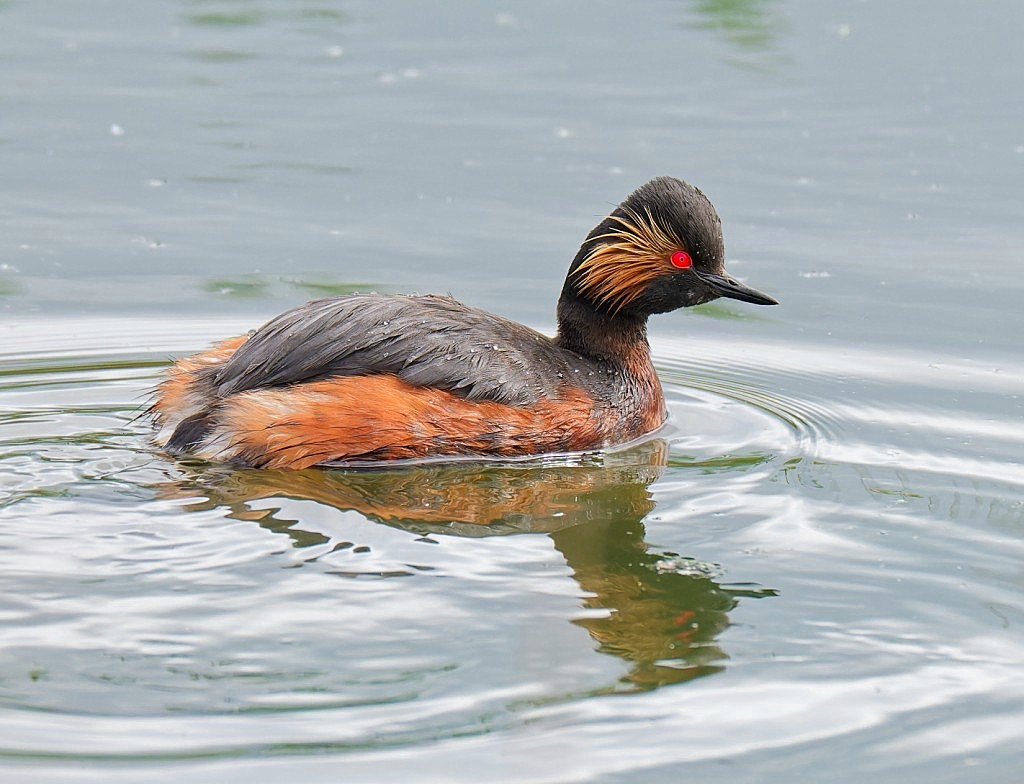
It’s been a good week for variety, with reports of Redstart, Quail, Whimbrel and Golden Plover. The latter three were all identified by call from our static sound recorders, which are proving to be invaluable. This morning started well, too, with three newly arrived drake Garganey, two on No.4 bed and one on No.3. At least four but probably five Cuckoos were also present and calling, spread across three beds, a heartening recovery over the past couple of years after a long period of decline. The No.3 bed pair of Mediterranean Gulls still look very settled on the nest and were joined by a pair of second-summer birds, which John Tymon watched mating alongside the nesting pair. Fears of our Black-headed Gull colony continuing its downward trend after the previous depredations of Bird Flu have been somewhat assuaged, with at least 120 pairs on nests in No.3 bed and a few pairs still on No.4 bed. Aerial feeders were well represented on No.4 bed, with 100 Swifts and low double figure counts of all three hirundines. Although most of the morning had been cool and overcast, it started to warm by late morning and singles of Broad-bodied Chaser, Azure Damselfly and Small Yellow Underwing moth were recorded, the latter a scarcity on the Reserve. Photo of a Black-necked Grebe Cheers David Bowman (with Dan Owen)
Submitted by: David Bowman
2026-05-02
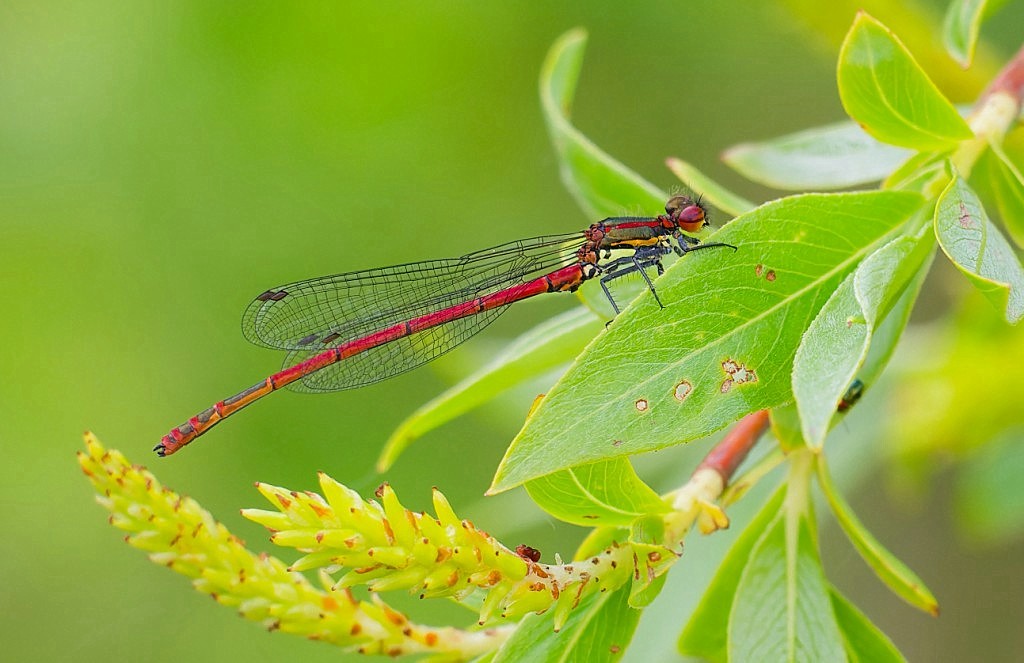
It was a warmish morning and between us we managed to cover all four beds, trudging around six miles in the process. There was little sign of movement, with a Dunlin on one of the No.3 bed nest rafts and a handful of Swifts, Swallows and Sand Martins the only things of note. On days like this the focus shifts to counting our breeding birds and doing surveys of butterflies and dragonflies. Our potentially first nesting pair of Mediterranean Gulls continues to shuttle back and forth between the nest on one of the rafts and the Morgan Hide scrape, where they gather fresh greenery for lining the nest. There also seems to have been a bit of a resurgence in our Black-headed Gull breeding colony, with maybe 100 pairs now present. Our first two broods of Coot also appeared, with five on No.2 bed and three on No.1 bed. The birding highlights, though came from the warblers, with two Grasshopper Warblers reeling on No.4 bed and 14 Garden Warblers in song across the whole Reserve. The morning’s surprise, though, came when we shifted our focus to dragonflies and sharp-eyed Dan spotted our earliest ever Red-eyed Damselfly on No.2 bed. The morning never really warmed up enough for a high count of dragonflies, though we did find three Large Red Damselflies and 13 Azure Damselflies on No.1 bed. Ditto for our butterflies, though Red Admirals have started to appear, with four noted. Photo of a Large Red Damselfly Cheers David Bowman (with Dan Owen, Helen Wynn and Brian Baird)
Submitted by: David Bowman