
Woolston Eyes Nature Reserve
An S.S.S.I. Managed by Woolston Eyes Conservation Group
Woolston Eyes Monthly Sightings
2026-06-09
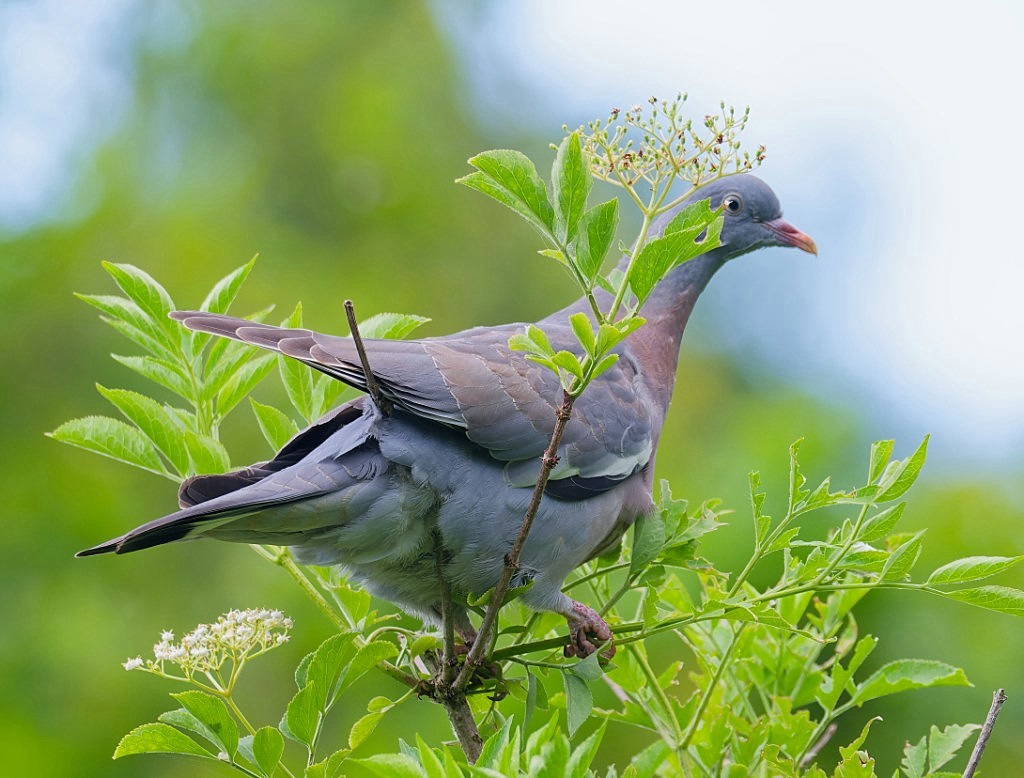
Photo of a juvenile Woodpigeon Cheers David
Submitted by: David Bowman
2026-06-09
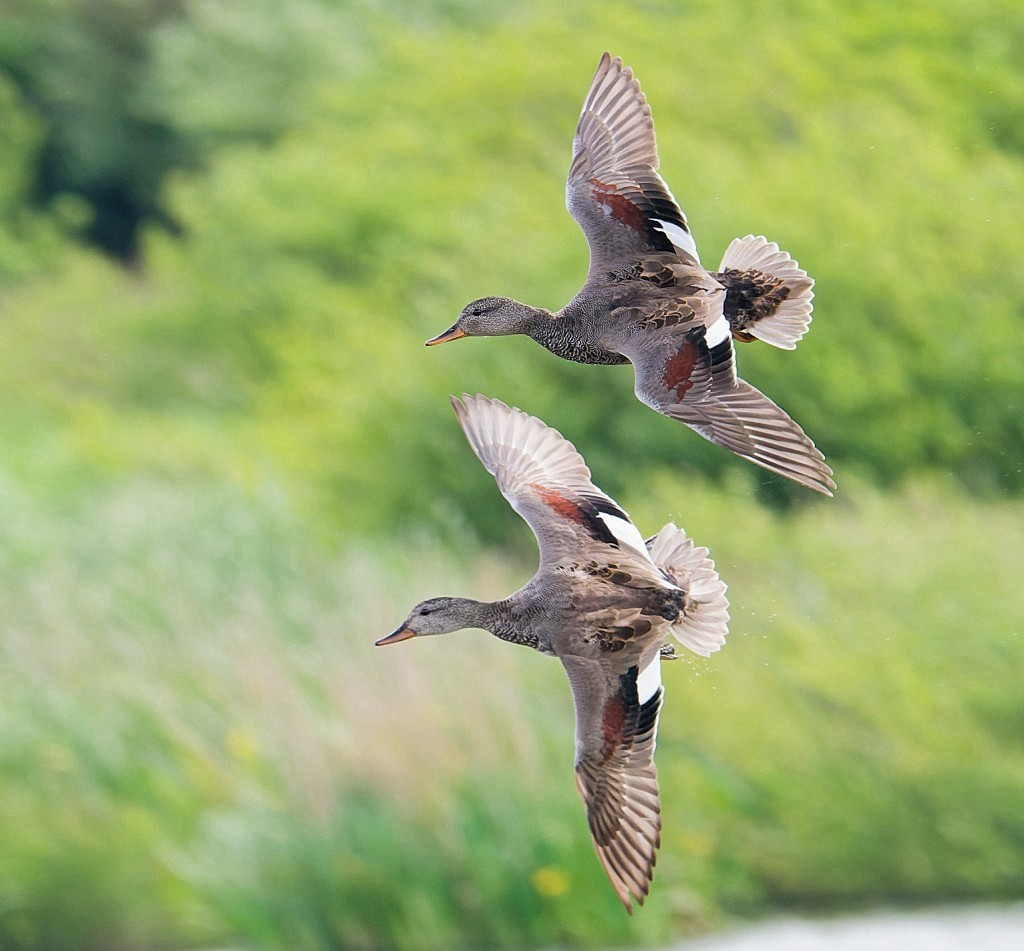
Flight photo of Gadwall Cheers David
Submitted by: David Bowman
2026-06-09
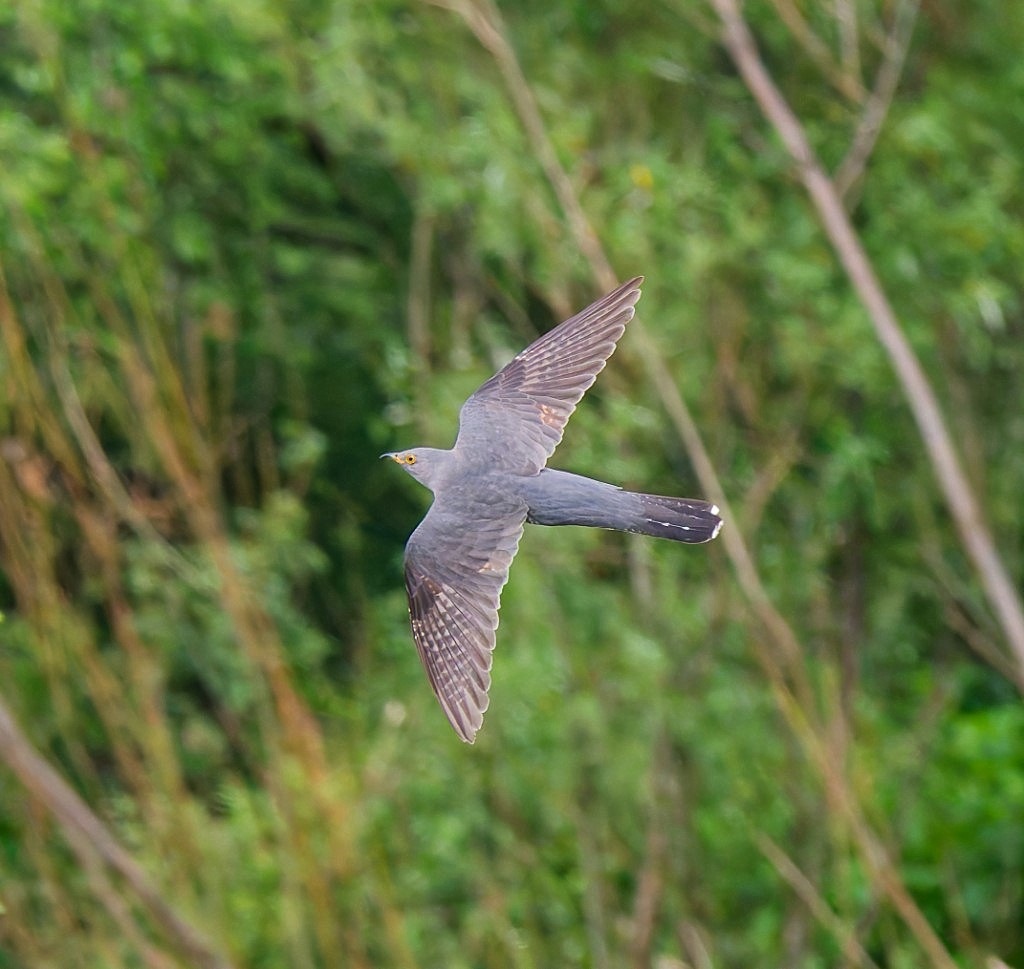
It was blustery this morning, with just the odd sprinkling of rain and the focus very much on our breeding birds. The level of attrition through predation continues apace, with a Carrion Crow joining the regular Lesser Black-backed Gulls in snatching Black-headed Gulls chicks from nests. Despite this, our pair of Mediterranean Gulls are proving to be good parents, with both young now looking robust and well on their way to fledging. While one of our pairs of Marsh Harriers is actively feeding young at the east end of the Reserve, the pair on No.3 bed failed due to predation, probably by Mink. Interestingly, a pair was reported conducting a food pass on o.4 bed yesterday before dropping in to a potential nest site. This late in the year, they could just be a young pair rehearsing for the next breeding season, or the displaced pair from No.3 bed. No.3 bed is currently holding at least 21 adult Black-necked Grebes and 10 young, with more probably still on nests. In comparison, it has been a late breeding season for them on No.4 bed, with double figures still visible and, hopefully, more on nests. Other sightings included Grasshopper Warbler, Little Ringed Plover and 150 Swifts on No.4 bed and a very active male Cuckoo on No.3. Photo of a male Cuckoo Cheers David Bowman (with Dan Owen)
Submitted by: David Bowman
2026-06-07
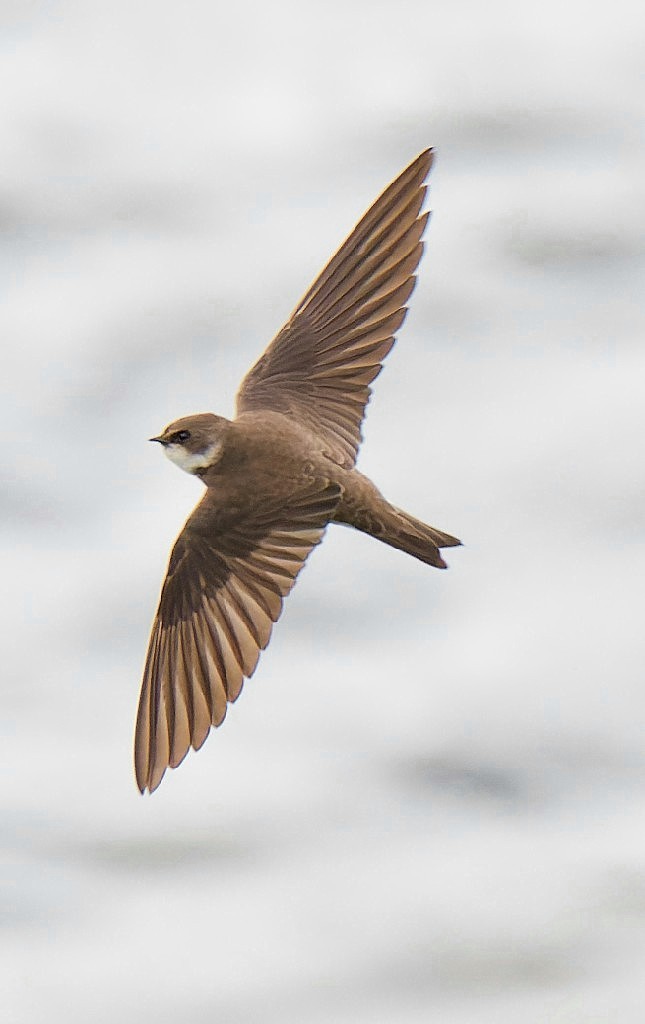
Photo of a Sand Martin Cheers David
Submitted by: David Bowman
2026-06-07
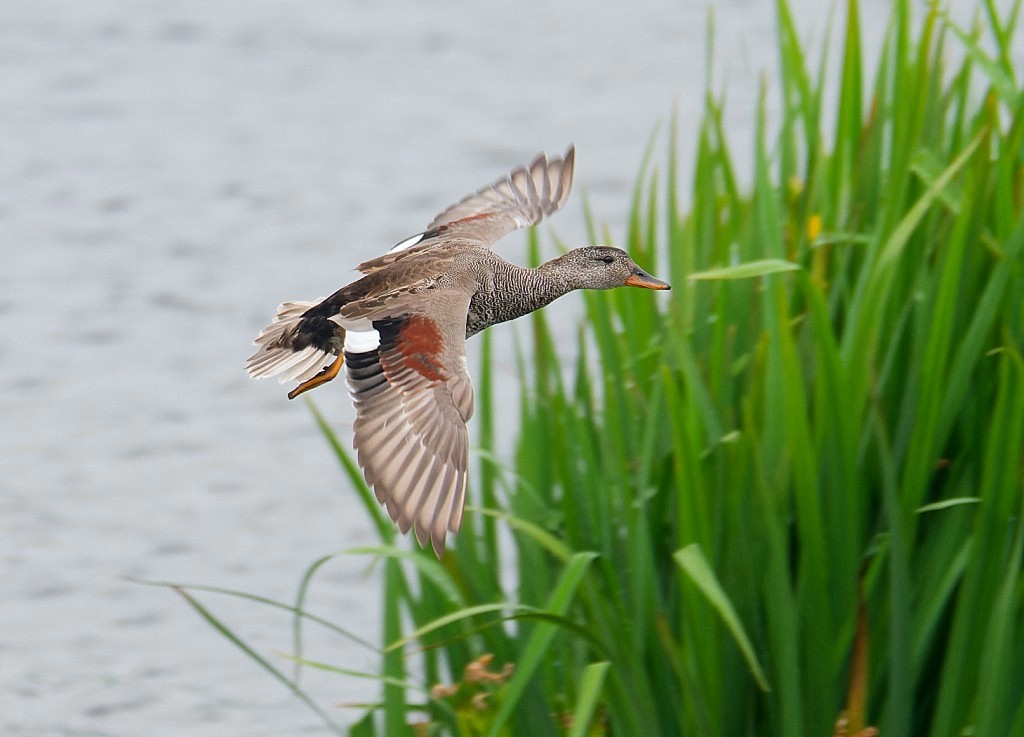
Photo of a drake Gadwall Cheers David
Submitted by: David Bowman
2026-06-07
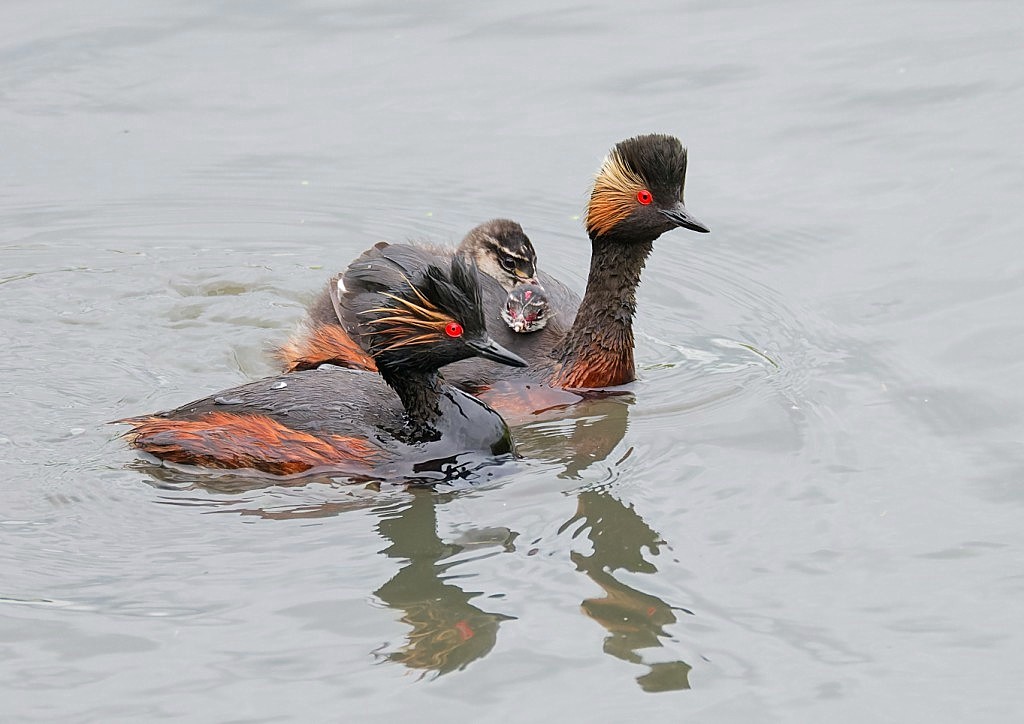
It was cool with heavy showers and a gusting southerly wind yesterday, though the morning did become warmer when the sun eventually broke through. Early on we sheltered in the Morgan Hide on No.3 bed, using the time to monitor the progress of our breeding species. The level of predation by Mink and Lesser Black-backed Gulls has reduced the size of our Black-headed Gull colony from roughly 200 pairs to around 50, with most of the hatched chicks already having been taken. Fortunately, our first-ever nesting pair of Mediterranean Gulls continue to protect their two growing young. Interestingly, they seem to do this by allowing the adjacent nesting Black-headed Gulls to try and fight off the marauding big gulls, while they sit tight and guard their young. Long way to go, though, till fledging. Cuckoos are still active and presumed breeding on all beds, which is not something I ever expected to see again as their numbers had dwindled to zero just a few years ago. This is also the best time of year to get intimate views of our Black-necked Grebes, as pairs of adults regularly come into the channel right in front of the Morgan Hide, with their chicks riding on their backs, and we were treated to extended views of two broods doing just that. Photo of a pair of Black-necked Grebes with young. Cheers David Bowman (with Dan Owen and Helen Wynn)
Submitted by: David Bowman
2026-06-02
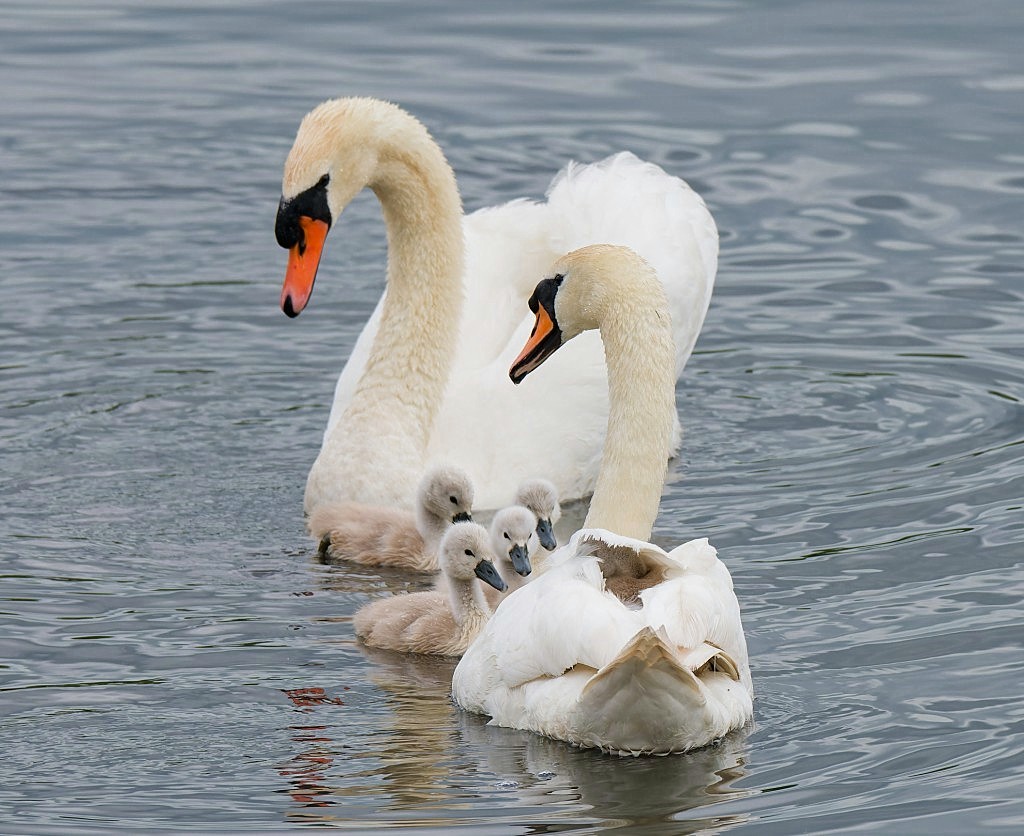
Photo of a brood of Mute Swand Cheers David
Submitted by: David Bowman
2026-06-02
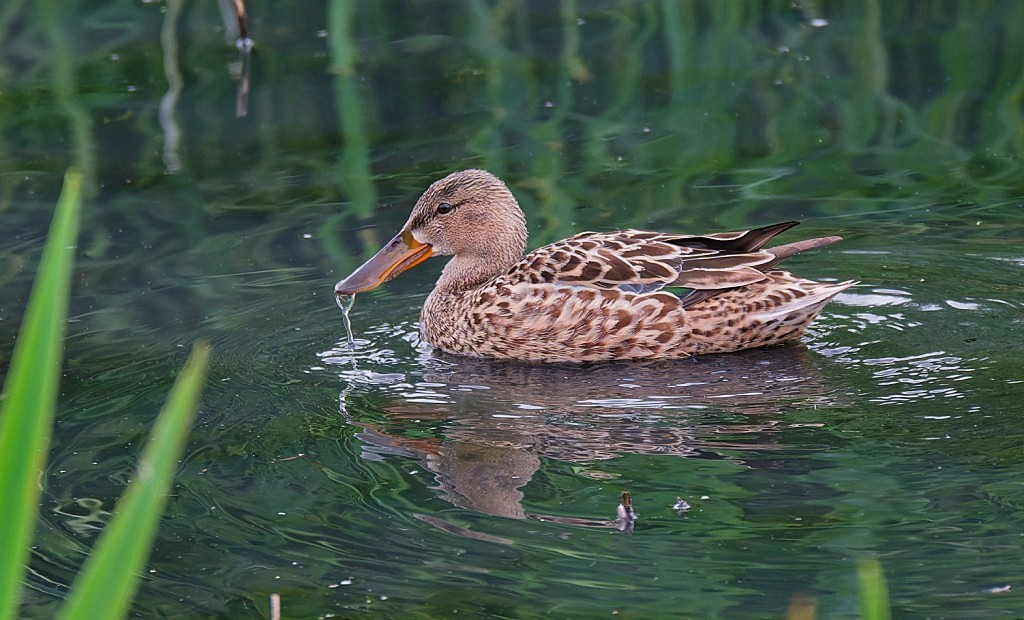
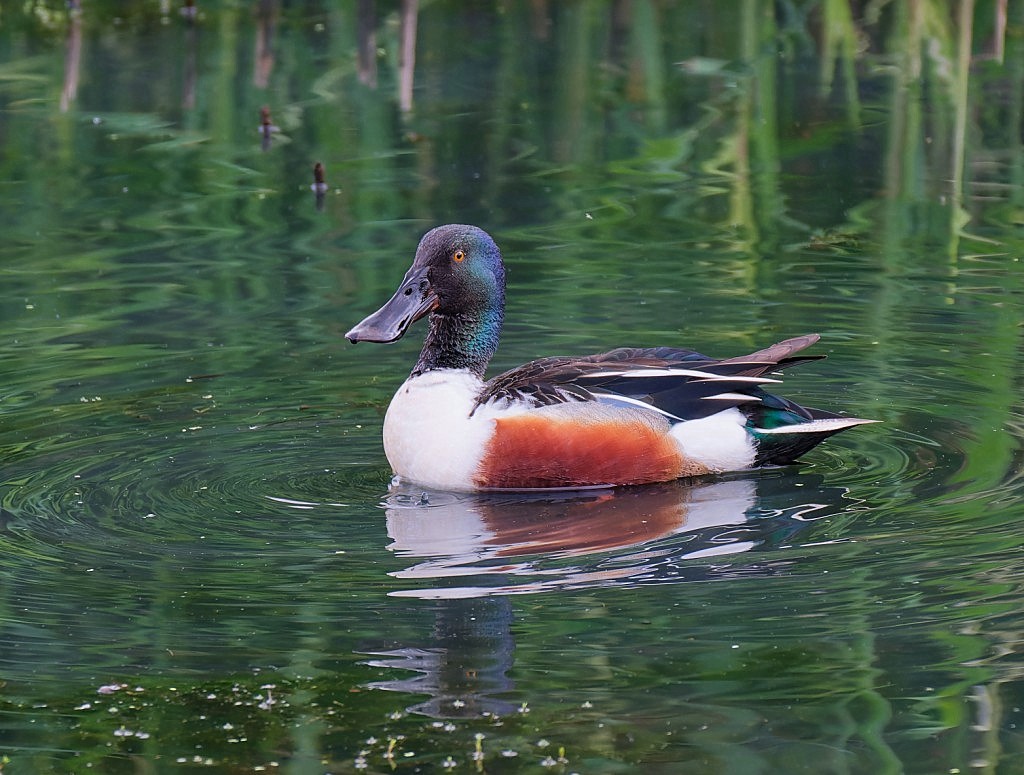
Photo of a female Shoveler Cheers David
Submitted by: David Bowman
2026-06-02
Photo of a drake Shoveler Cheers David
Submitted by: David Bowman
2026-06-02
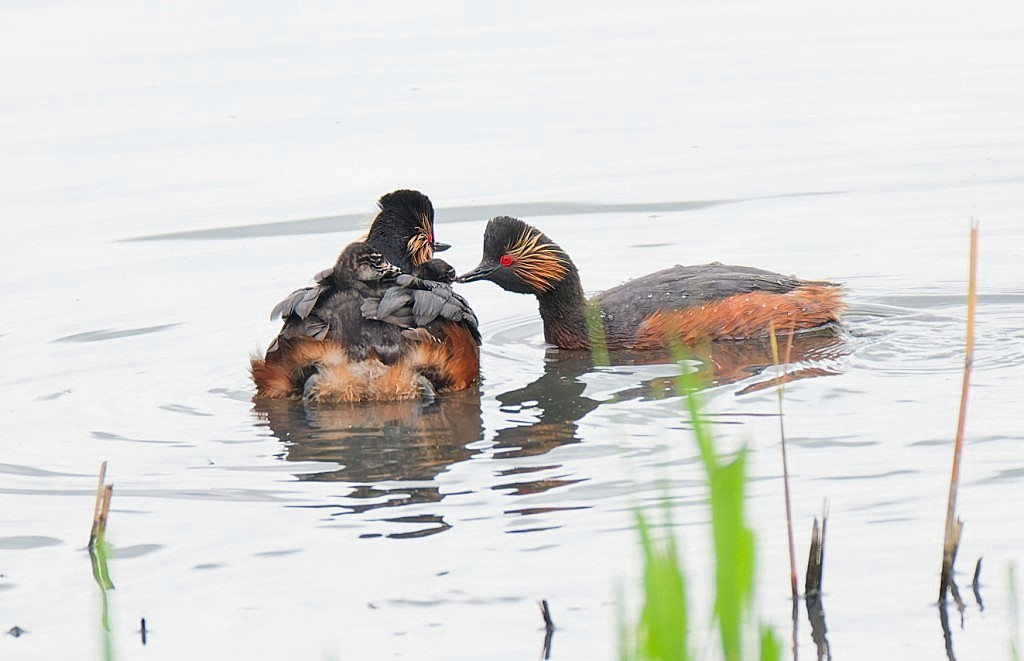
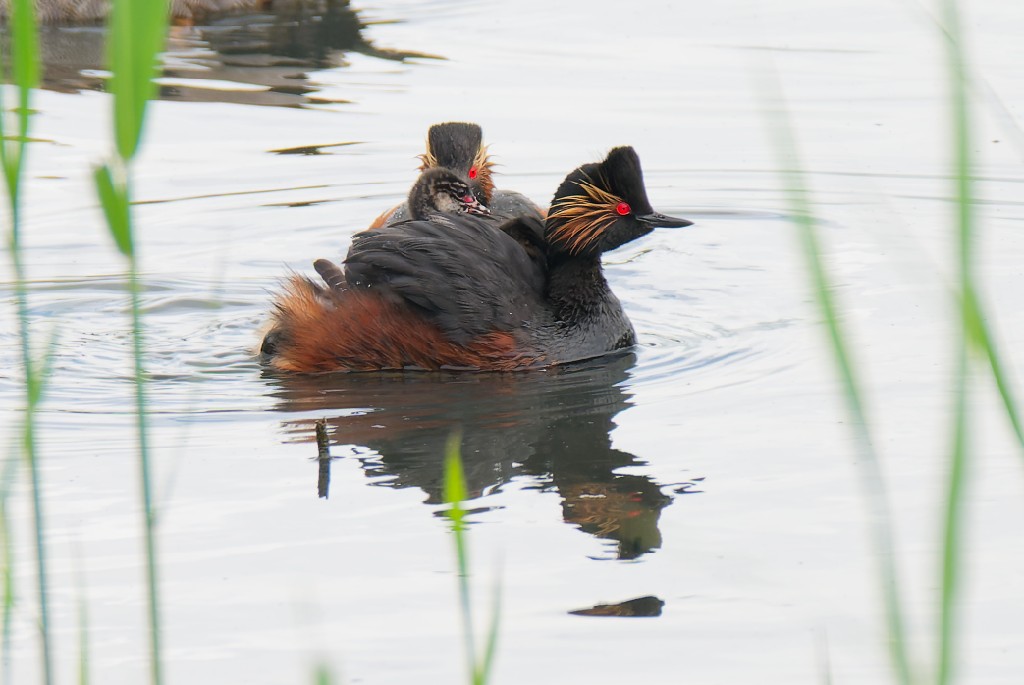
Black-necked Grebes with young Cheers David
Submitted by: David Bowman
2026-06-02
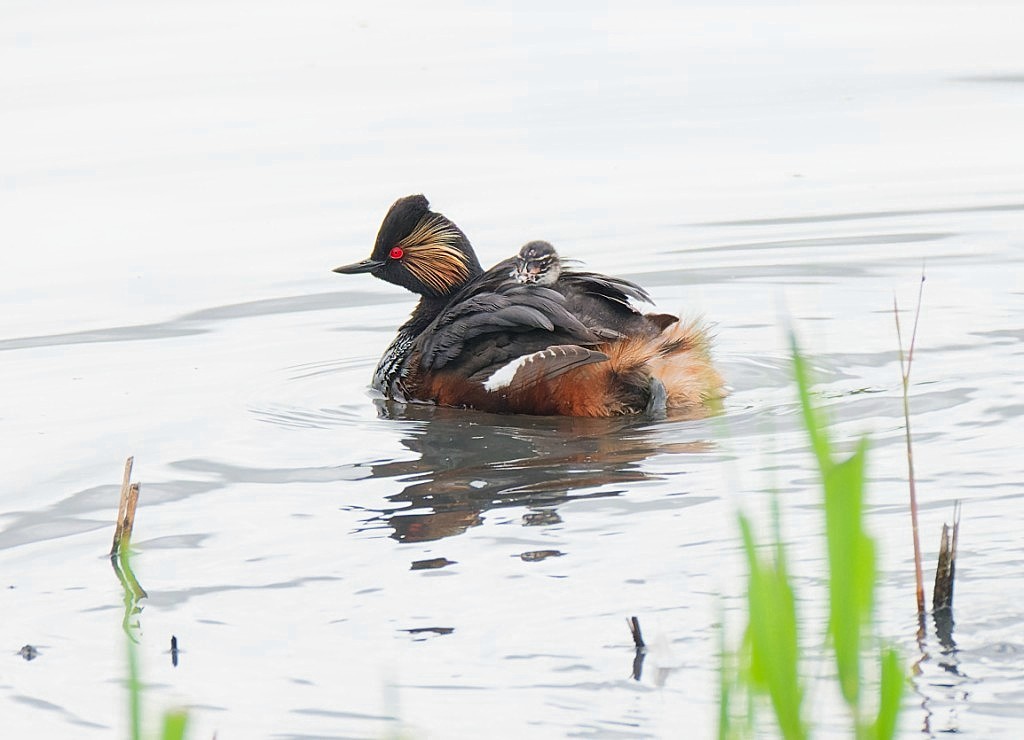
Black-necked Grebes with young Cheers David
Submitted by: David Bowman
2026-06-02
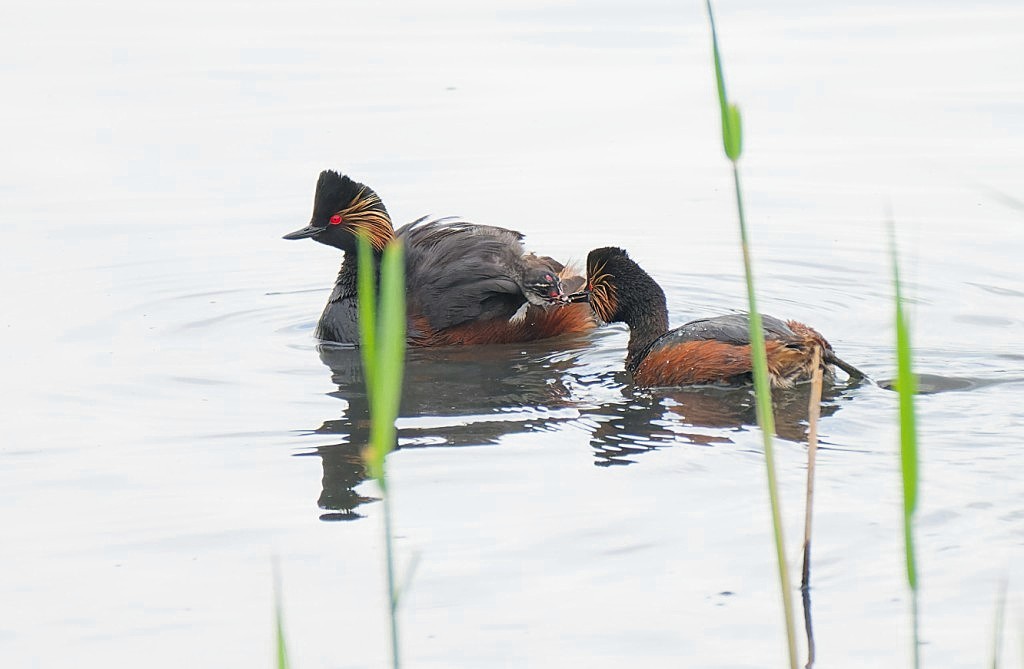
Black-necked Grebes with young Cheers David
Submitted by: David Bowman
2026-06-02
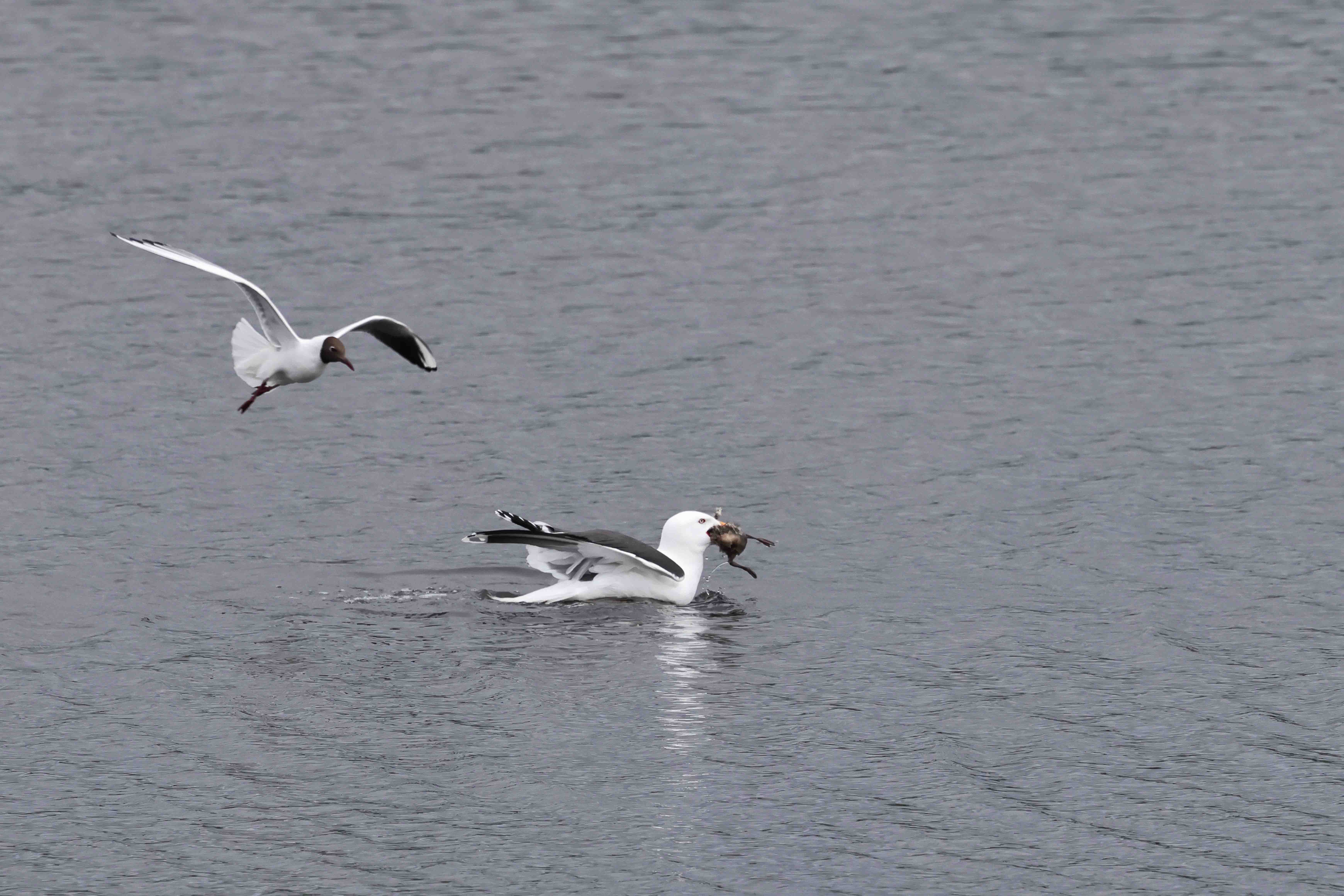
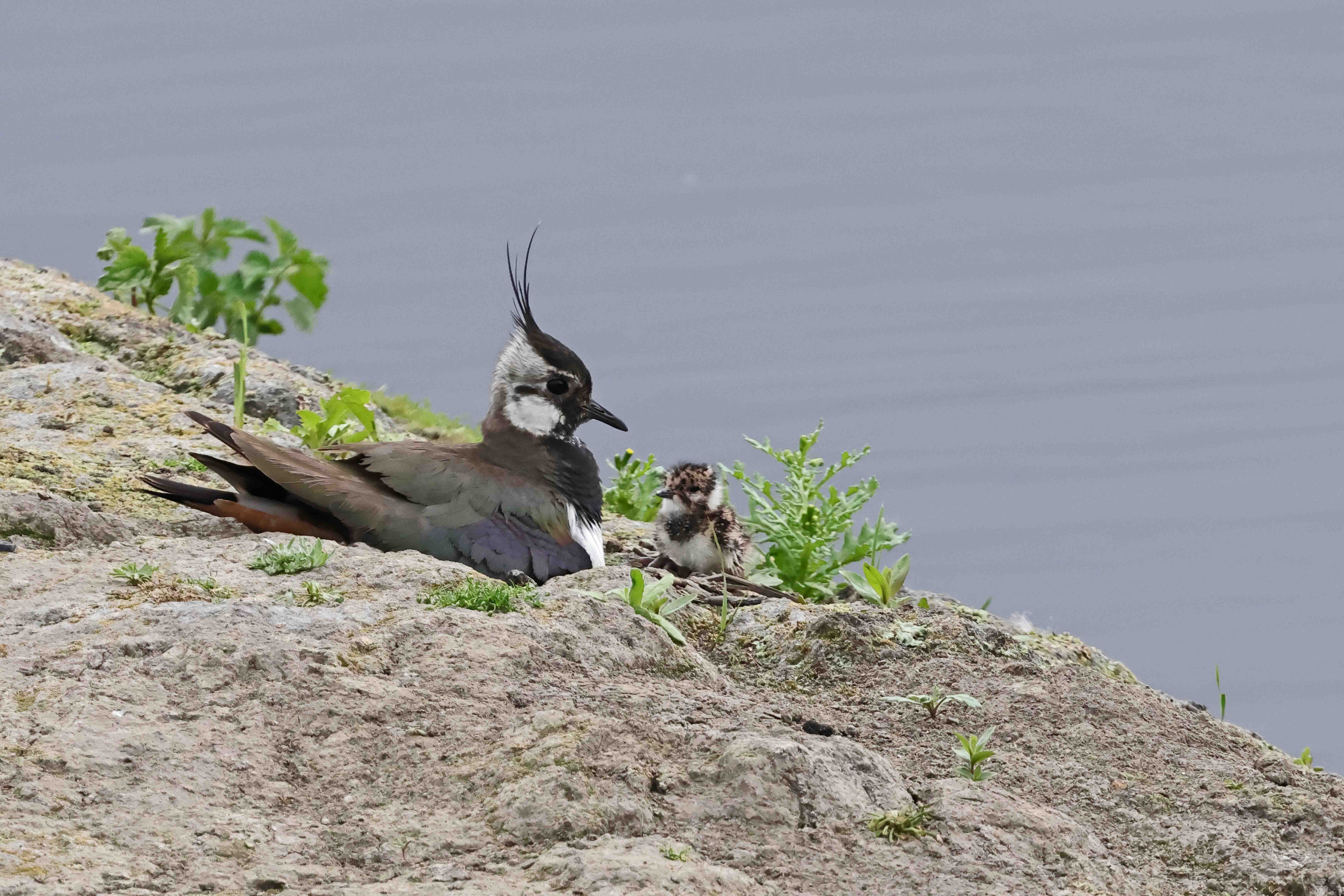
It was a morning of mixed fortunes today, as we focussed on our key breeding species, covering Beds 2, 3 and 4. It was great to see more broods emerging on No.3 bed, with two new broods of Black-necked Grebe, each with three small chicks on the female’s back, in addition to another brood of Pochard, with just one chick. This now brings their respective brood totals to five and seven, with plenty of time for more. Out on the nest rafts, our first pair of nesting Mediterranean Gulls still has two small young, though more about those later. The Lapwing pair on the Morgan Hide scrape has hatched three tiny young, which they were valiantly defending against all comers. As ever, recently, Cuckoos were very active, calling, perched or flying on all three Beds. We estimate the current population to be around 12, a level which hasn’t been seen since 1997, when the catastrophic decline began. On the debit side of the equation, though, predation is starting to take its toll. As well as the regular marauding Marsh Harriers, the locally-breeding Lesser Black-backed Gulls are starting to make their presence felt. Four times we watched them fly in and take chicks: three gull young from the nest rafts, and a gosling off the water. One of the gull chicks was taken from the raft occupied by the Mediterranean Gulls and we were unable to confirm that both of their chicks had survived the raid. We could still see one and, hopefully, the other was hidden from sight behind the parent. In addition, the largest congregation of nesting Black-headed Gulls on the bed has deserted, presumably due to predator-pressure, probably from Mink. It’s tough out there for the breeding birds and it can be a tough watch, too! Photo of Black-necked Grebes with young Cheers David Bowman (with Dan Owen)
Submitted by: David Bowman
2026-06-01
photo of one of the Lesser Black Backed Gulls
Submitted by: Keith Gallie
2026-06-01
photo of the Lapwing
Submitted by: Keith Gallie
2026-06-01
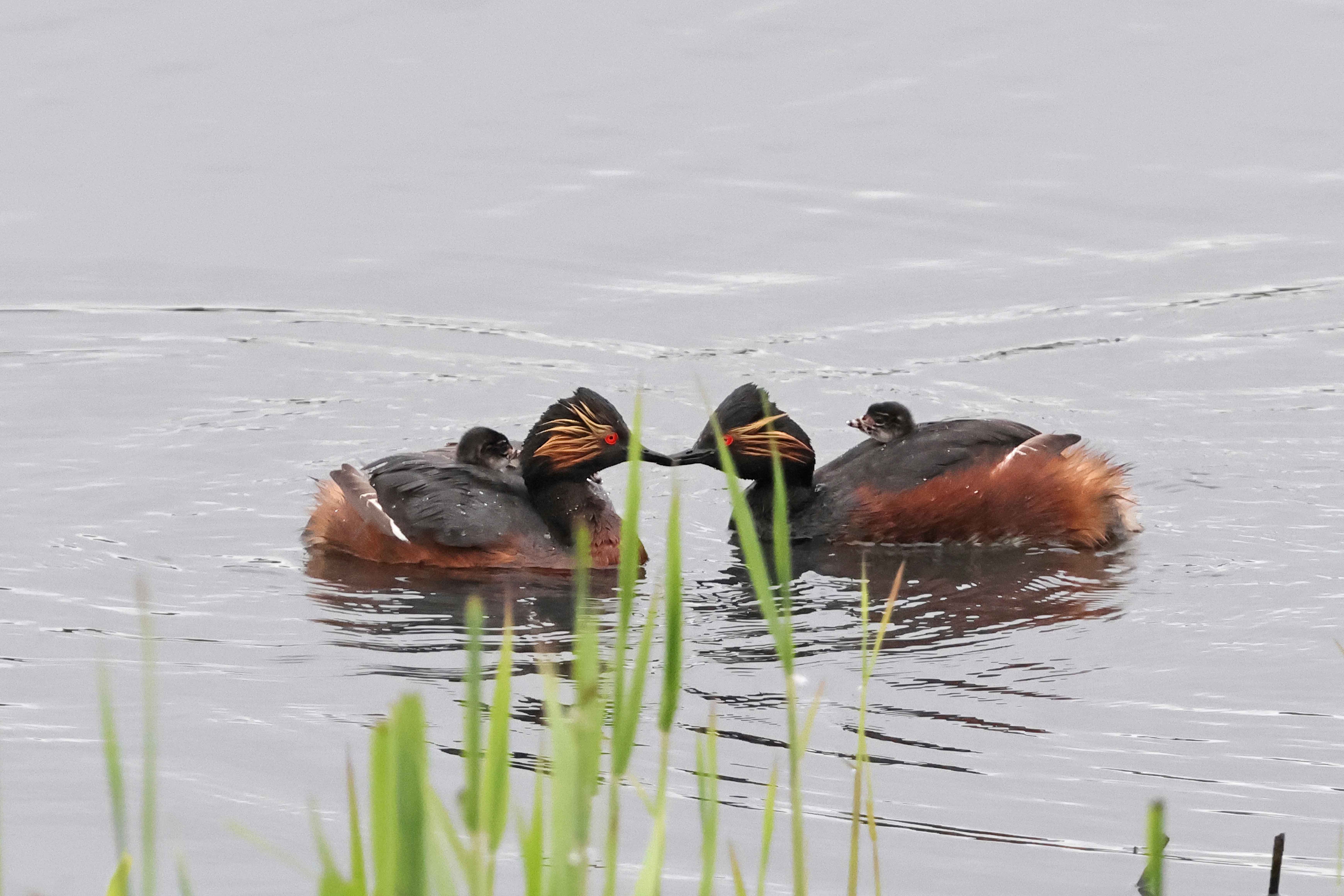
The first day of summer and it was heavy showers during my visit to Number 3 bed, on arrival a cuckoo was heard close to the Morgan hide, the first thing I saw was a pair of Canada geese with 1 Young that was looking ill it was struggling to stand and withing 5 minutes it had died the parents reluctantly left it after about 5 more minutes, The Lapwing was on its nest and every now and then it stood up and revealed 2 chicks and 2 eggs, nice to see them doing ok, Lesser Black Backed Gulls raiding the gull colony I saw 2 chicks being taken. The Med Gull chicks looked to be strong as they were walking around the raft with 1 parent, there were good views of a Pair of Black Necked Grebe with 3 Young from the Tower hide, In all a very good morning photo of Black necked grebes Keith Gallie
Submitted by: Keith Gallie