
Woolston Eyes Nature Reserve
An S.S.S.I. Managed by Woolston Eyes Conservation Group
Woolston Eyes Monthly Sightings
2026-07-30
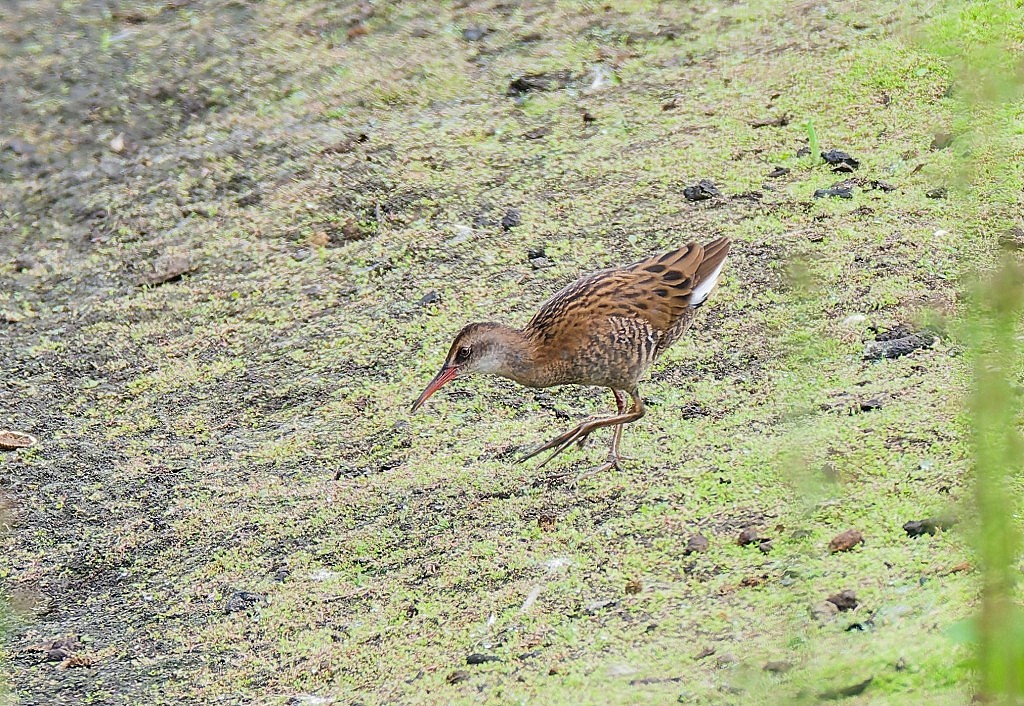
It’s been a contrasting couple of days, with sunshine and high humidity on Tuesday and a drizzly start this morning before the sun broke throuigh. Birds were pretty similar across both days, with a handful of waders, including Greenshank, Black-tiled Godwit, Common Sandpiper, Little Ringed Plover and Snipe along with Black-necked Grebes Kingfishers, Water Rails, Marsh Harriers and Peregrine. The only movement through the Reserve was the odd Yellow Wagtail, single figures of Swifts and a few scores of Swallows and Sand Martins. Perhaps the week’s most interesting record came with a moulting Woodcock on No.3 bed on Sunday, only our second summer record of this scarce and declining Cheshire breeding species. While it’s not impossible that a breeding pair might have been overlooked on the Reserve, it’s more likely to be an early returning bird from elsewhere. Also of interest was our count on Tuesday of around 40 Small-Red-eyed Damselflies on No.4 bed. It’s was only last year that we discovered the presence of this scarce damselfly, which has only recently colonised Cheshire, so to see so many, with breeding activity in full flow, was highly pleasing. Photo of a juvenile Water Rail Cheers David Bowman (with Dan Owen)
Submitted by: David Bowman
2026-07-26
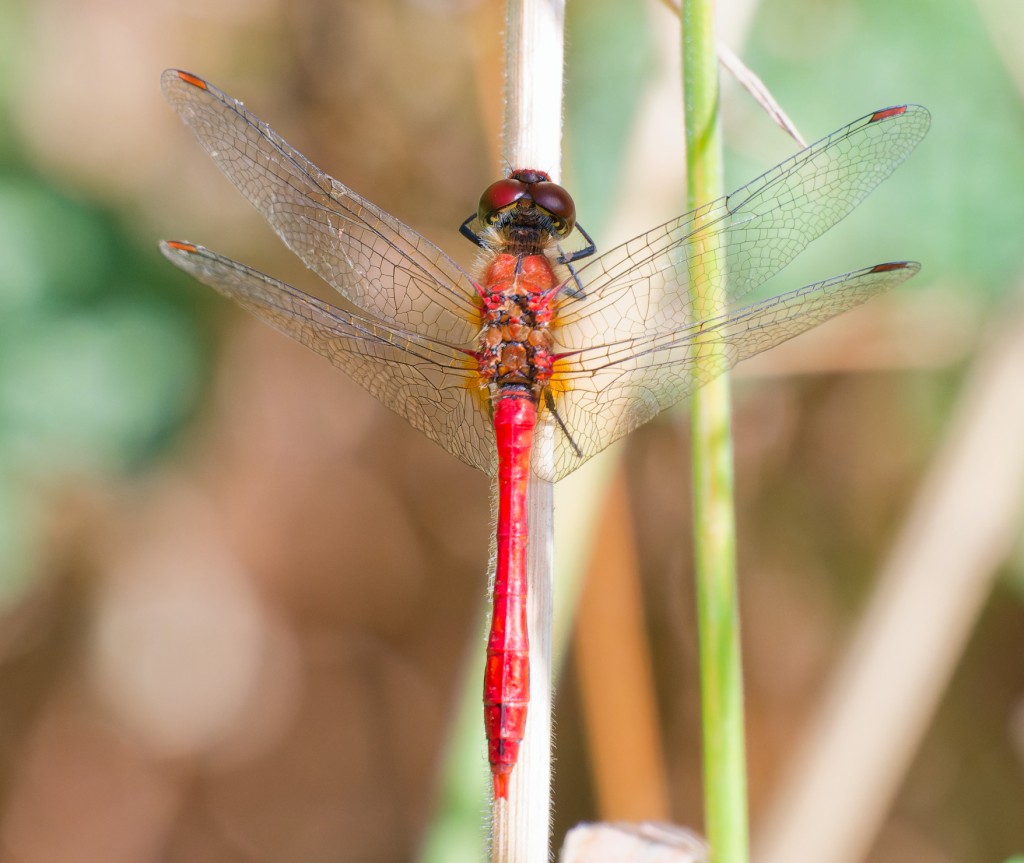
Photo of a Ruddy Darter Cheers David
Submitted by: David Bowman
2026-07-26
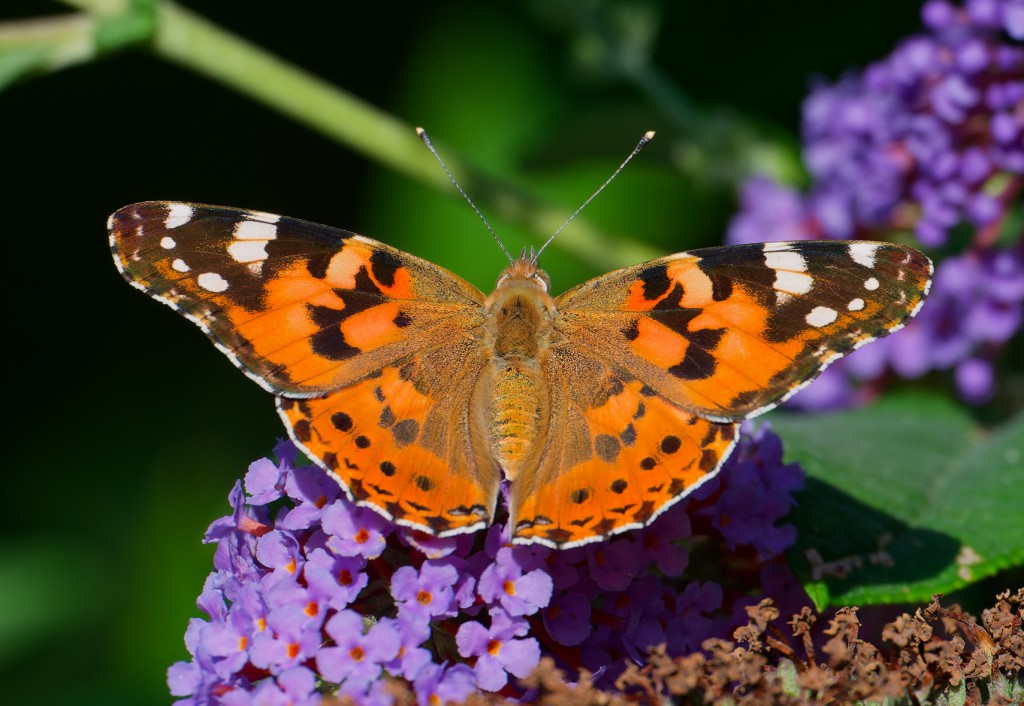
Yesterday the warm south-westerly wind gradually moved to the north, threatening to bring some welcome rain. Although these two consecutive hot summers have produced a resurgence in our butterfly numbers, the recent, sustained high temperatures and lack of rain are threatening to burn off much of the vegetation on which butterflies depend for breeding. potentially setting back this recovery. Although the wind was keeping numbers down, we made some reasonable counts of butterflies and dragonflies across Beds 3 and 4, with a few fresh Painted Ladies nice to see on both beds. Dragonflies highlights included 2 Emperors, 10 Ruddy Darters ,4 Brown Hawkers, 1 Black-tailed Skimmer and 3 Common Darters. Birds included 2 Green Sandpipers, 1 Common Sandpiper and an influx of 120 Teal on No.3 bed, along with plenty of Black-necked Grebes still on No.4 bed, though they should be gone before long. Photo of a Painted Lady Cheers David Bowman (with Helen Wynn and Brian Baird)
Submitted by: David Bowman
2026-07-23
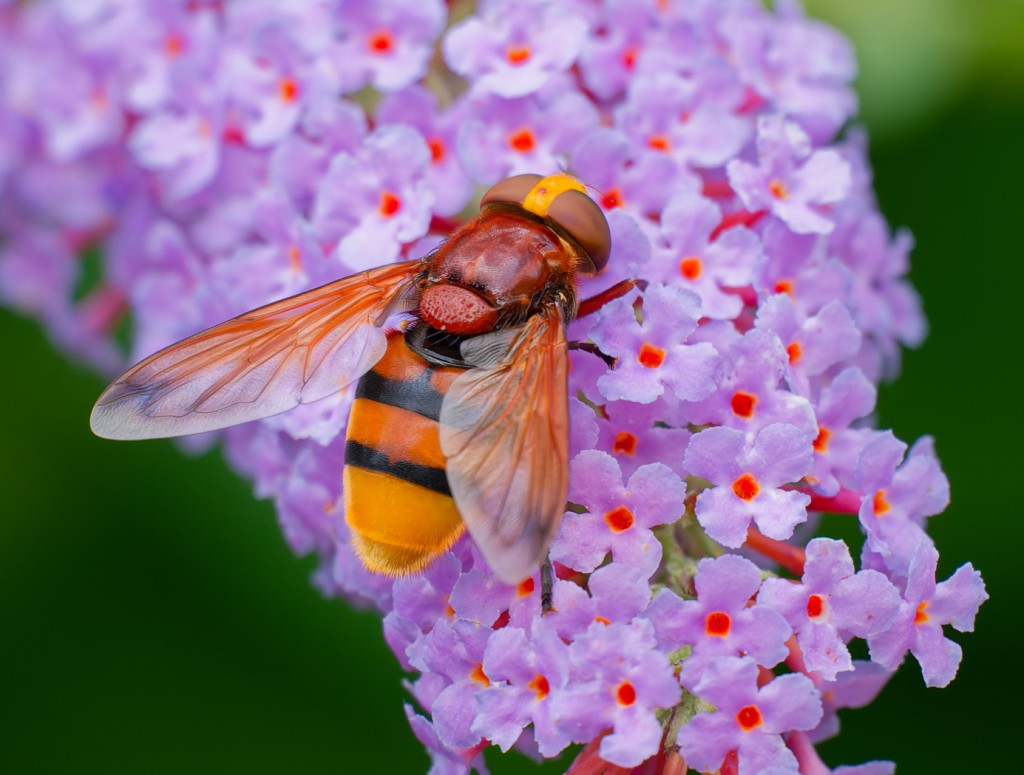
A pretty relaxed morning on No.3 bed, cooler than recently, though with the prospect of high temperatures returning next week. Although the Morgan Hide remains closed for repairs it should be reopening on Monday. Meanwhile the other four hides remain open for visitors. This hot dry summer is having a couple of obvious effects, with Reed Warblers seeming to have largely finished breeding, which usually continues into late August. In addition, the impact of climate warming on Blackcaps has seen their annual peak passage through the bed move back from September into August. It used to coincide with the ripening of the masses of Elderberries, which they fed on to fatten up before moving on. Now it no longer does, so it’ll be interesting to see what our ringing teams report about the impact of this on their migratory condition. Birds around the bed included a Common Sandpiper and a couple of Green Sandpipers, while the presence of a Hobby at dawn might indicate that a hirundine roost is starting to form on the bed. A late morning passage of a couple of hundred Sand Martins and 20 Swifts enticed a small male Hobby to put in an acrobatic, though unsuccessful, appearance. It was also nice to get brief views of a hunting Stoat, while, at this time of year, day time encounters with Badgers are pretty regular. Walking round the bed it was nice to a see a Hornet Hoverfly and five very fresh Painted Ladies, which will be the offspring of the earlier mass influx of rather tatty-looking migrants, hopefully with many more to come.. Photo of a Hornet Hoverfly Cheers David Bowman (with Dan Owen and Kara Scholes.)
Submitted by: David Bowman
2026-07-22
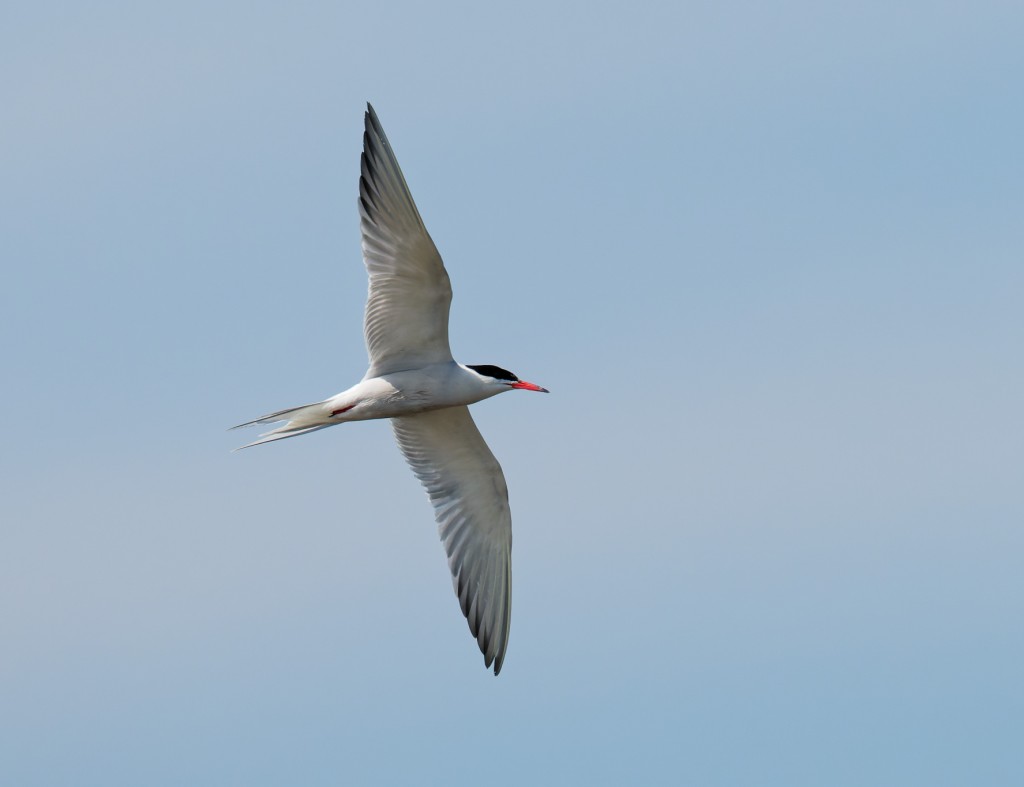
With the weather returning to a more normal summer temperature yesterday, we completed the monthly Wetland Birds Survey (WeBS), with some outstanding counts made. The total of 3,502 water-birds, of 30 species, is exceptional for a summer count. Highlights included: 1 Common Tern, 2 Green Sandpipers, 1 Common Sandpiper, 4 Little Ringed Plovers, 12 Water Rails, 26 Black-necked Grebes, 79 Little Grebes, 17 Great Crested Grebes and 13 Kingfishers. Of the 2,136 wildfowl noted, a remarkable 1,214 were Gadwall. In recent years an increasing number of this relatively uncommon UK breeding species has been arriving in summer to moult on the Reserve. They are no doubt attracted by the rich feeding provided by the shallow water lagoons, as well as the by the lack of disturbance. With an estimated UK breeding population of just 1,250 pairs, the puzzle remains about where all our birds are coming from. The morning finished on a nice note, as we were walking off No.3 bed and encountered a Hummingbird Hawk-moth, a less-than-annual visitor, which appeared to be laying eggs. These attractive moths are an example of convergent evolution, feeding in the same way as hummingirds, having evolved a long proboscis to enable them to feed on nectar from long, tubular flowers. The Buddleias along the south bank of the bed are particularly attractive to them, so its worth keeping an eye out. Photo of a Common Tern Cheers David Bowman (with Dan Owen et al)
Submitted by: David Bowman
2026-07-11
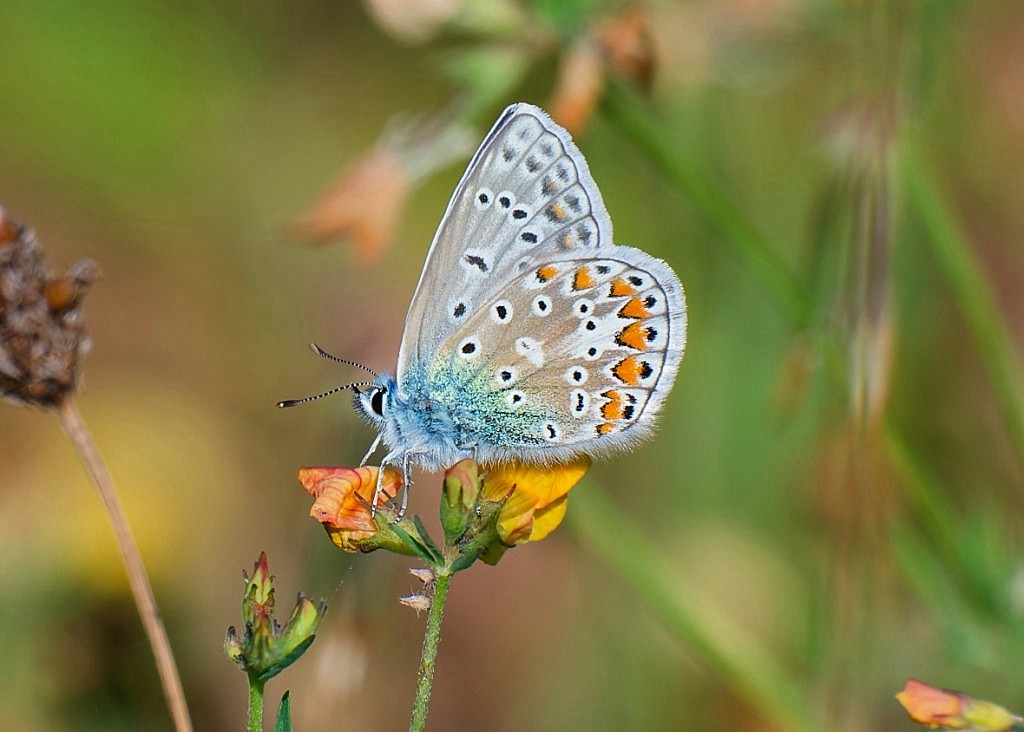
After too many years of watching butterfly numbers decline generally and at Woolston Eyes in particular, it’s been wonderful to see the resurgence in numbers during this lengthy, hot summer. A full census of No.1 bed produced 1,632 butterflies of 17 species, including a couple of surprises. The commoner species were in profusion. with the most numerous being: 402 Gatekeepers, 284 Meadow Browns, 261 Peacocks and 350 ‘whites’. Of the less common species there were good counts of 43 Common Blues and 79 skippers, out of which we managed to confirm 28 Essex Skippers and 31 Small Skippers. The first surprise cane with a Purple Hairstreak flitting in a small Oak tree, a species which breeds in small numbers in the Oaks on the south bank of No.3 bed, so maybe not that surprising. The highlight, though, came when a Clouded Yellow flew past me, across the arid, stony but flower rich open plain on the north side of No.1 bed. Six more quickly followed before Dan managed to grab a phone shot of another, which perched briefly. Clouded Yellows breed in North Africa and the Mediterranean basin and migrants regularly reach the south coast of England, where they can breed, but are much scarcer this far north. This species is famous for its occasional mass migrations, known as “Clouded Yellow years”, the last of which was in 2000, though I guess this is another. There were plenty of dragonflies, too, with highlights across beds 1 and 3 of: 1 Migrant Hawker, 4 Southern Hawkers and 30 Brown Hawkers. Photo of a Common Blue Cheers David Bowman (with Dan Owen)
Submitted by: David Bowman
2026-07-09
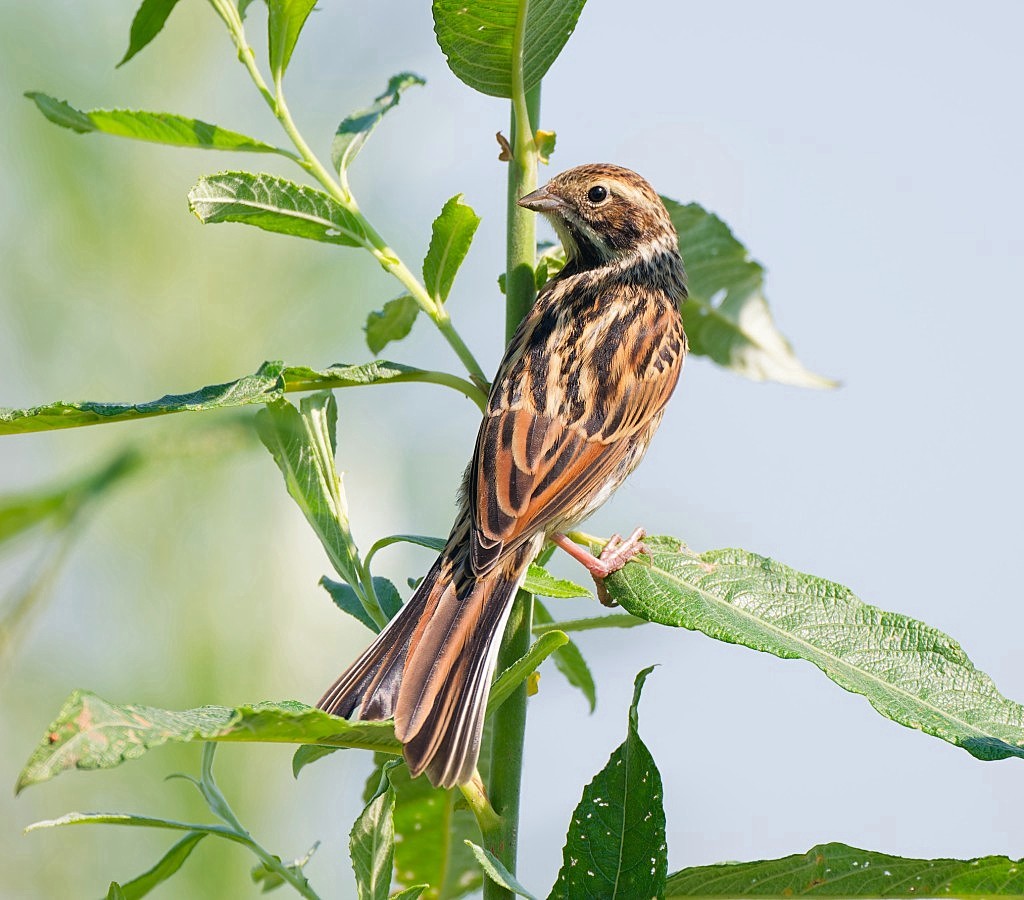
Photo of a Reed Bunting Cheers David
Submitted by: David Bowman
2026-07-09
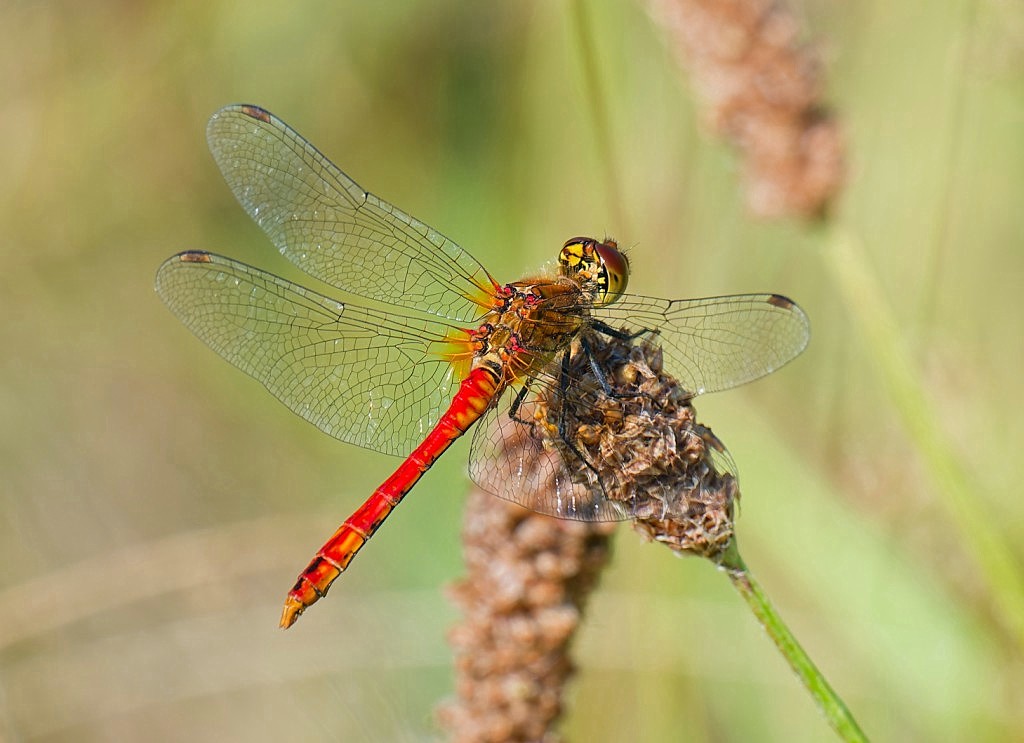
Photo of a male Ruddy Darter Cheers David
Submitted by: David Bowman
2026-07-09
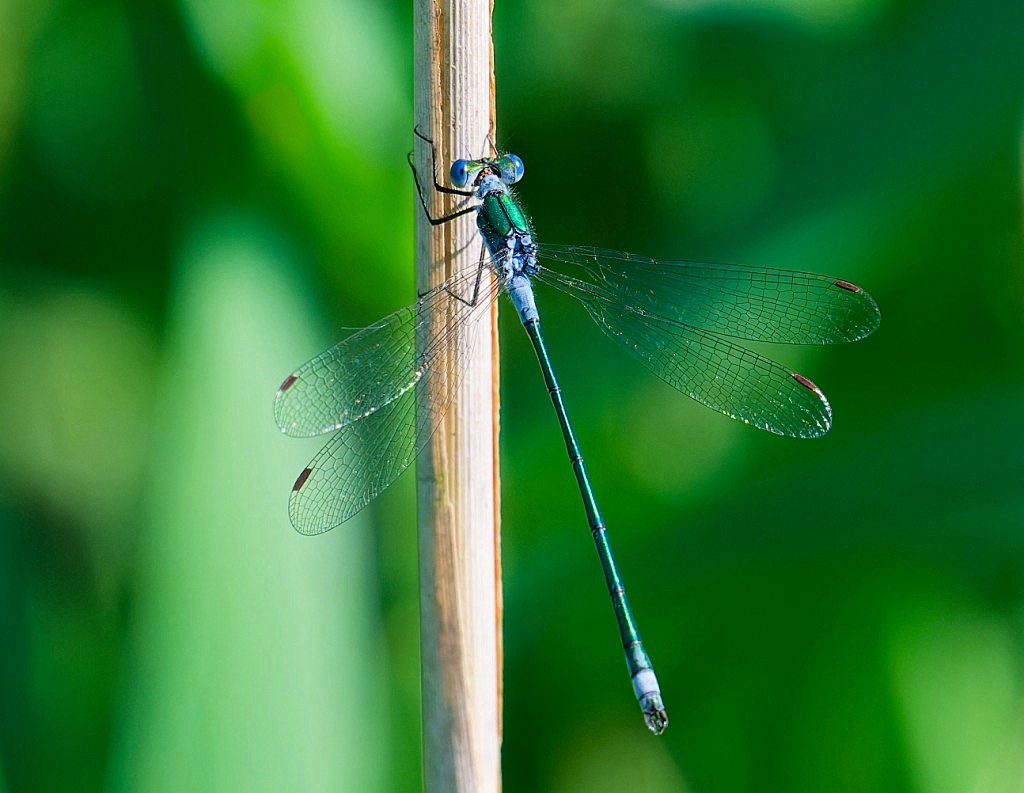
Photo of an Emerald Damselfly Cheers David
Submitted by: David Bowman
2026-07-09
On a steaming hot morning we took advantage of the weather by trying to make comprehensive counts of the butterflies and dragonflies on No.4 bed. Unfortunately, with both our warden posts being vacant till the beginning of August, many of the paths are currently too overgrown to use, so our counts covered less than half of the bed. We will, though, be bringing in an outside contractor to get the paths cleared in the next week or so. Nevertheless, we managed to find nearly 250 dragonflies and over 400 butterflies. Given the size of the Reserve it’s reasonable to assume that four-figure counts of both must be present across all four beds. Birds first though, with highlights of: 7 Black-tailed Godwits, 1 Little Ringed Plover, 1 Green Sandpiper, 2 Wigeon, 2 Marsh Harriers and at least 7 Black-necked Grebes.
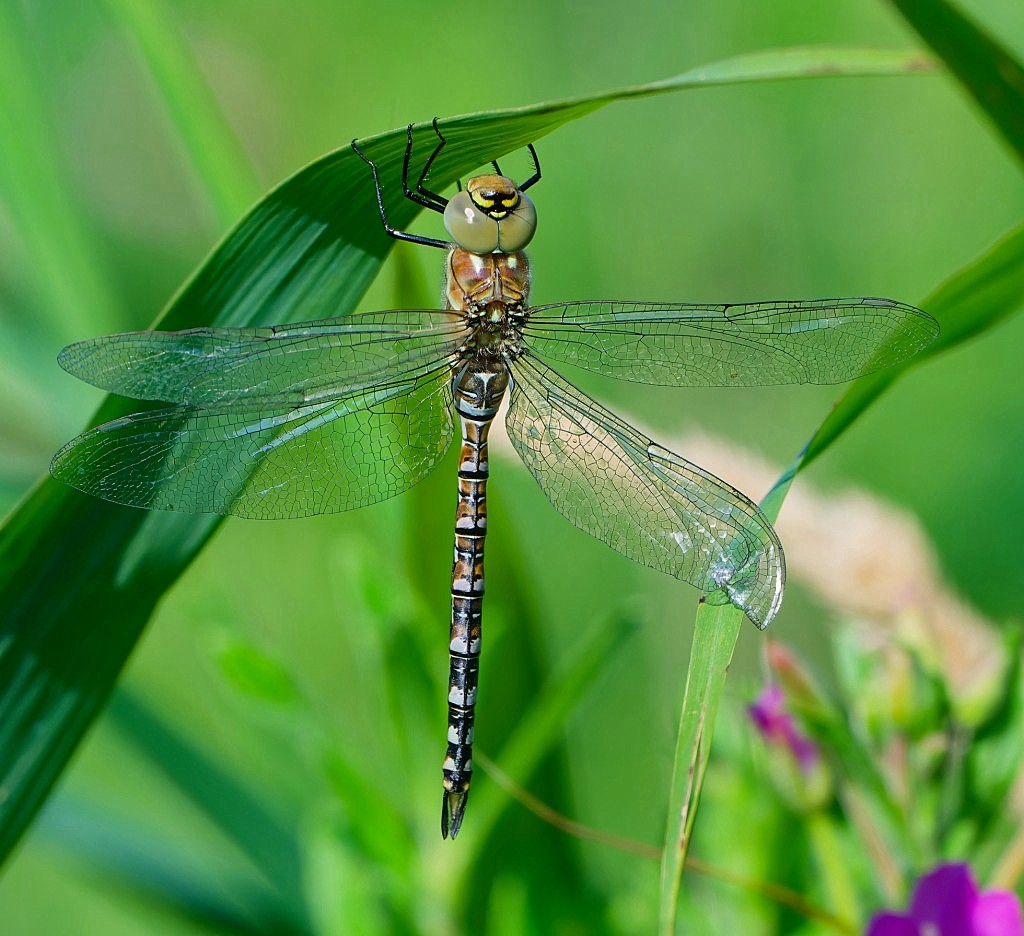
Dragonflies included: 1 early Migrant Hawker, 1 Banded Demoiselle, 7 Brown Hawkers, 18 Emperors, 94 Black-tailed Skimmers, 32 Ruddy Darters, 60 Small Red-eyed Damselflies, 10 Emerald Damselflies and 20 Blue-tailed Damselflies.
Butterfly totals were: an amazing 36 Essex Skippers, 10 Small Skippers, 5 unidentified skippers, 1 Brimstone, 48 Red Admirals, 68 Peacocks, 1 Painted Lady, 163 Gatekeepers, 16 Meadow Browns, 9 Ringlets, 14 Commas, 2 Large Whites, 40 unidentified whites, 10 Speckled Woods and 1 Small Tortoiseshell.
Photo of a Migrant Hawker
Cheers David Bowman (with Dan Owen)
Submitted by: David Bowman
2026-07-07
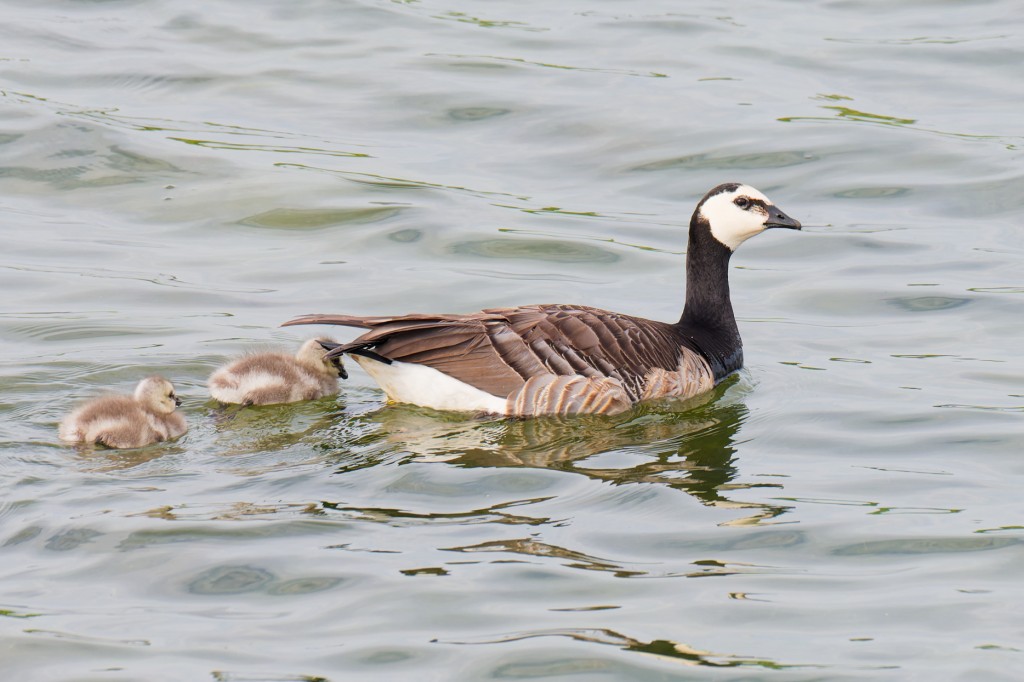
Photo of Barnacle Goose brood Cheers David
Submitted by: David Bowman
2026-07-07
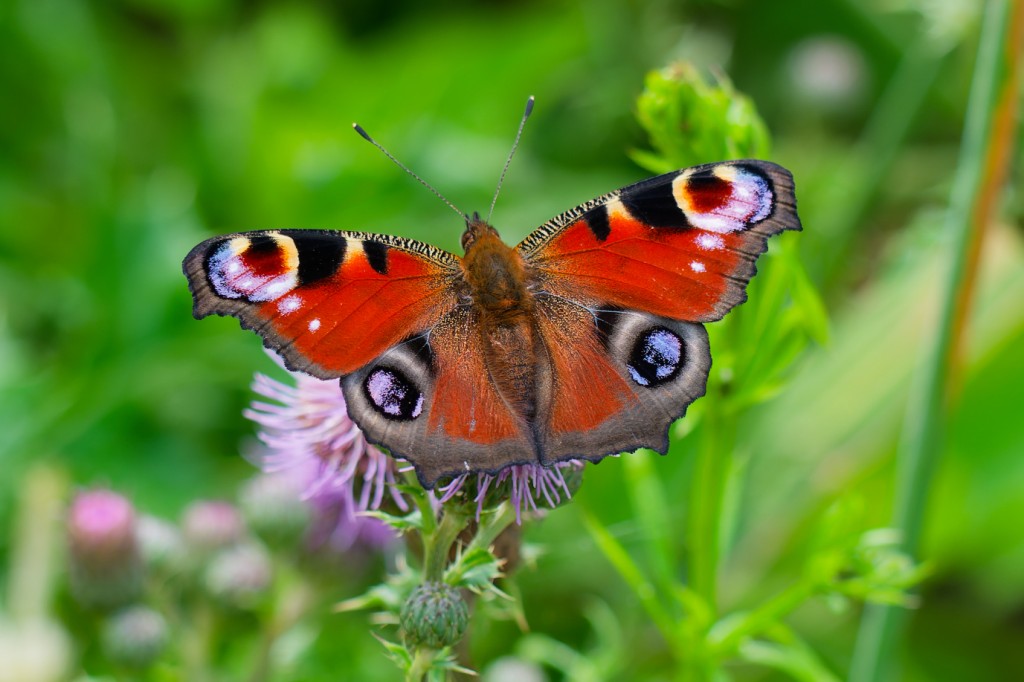
Photo of a Peacock Cheers David
Submitted by: David Bowman
2026-07-07
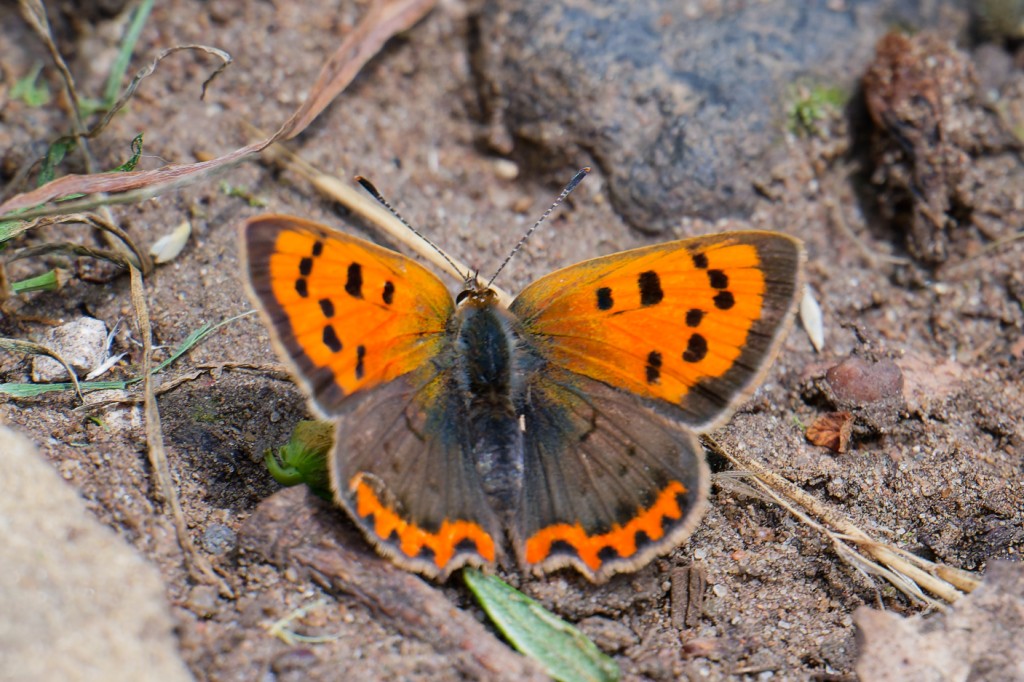
Photo of a Small Copper Cheers David
Submitted by: David Bowman
2026-07-07
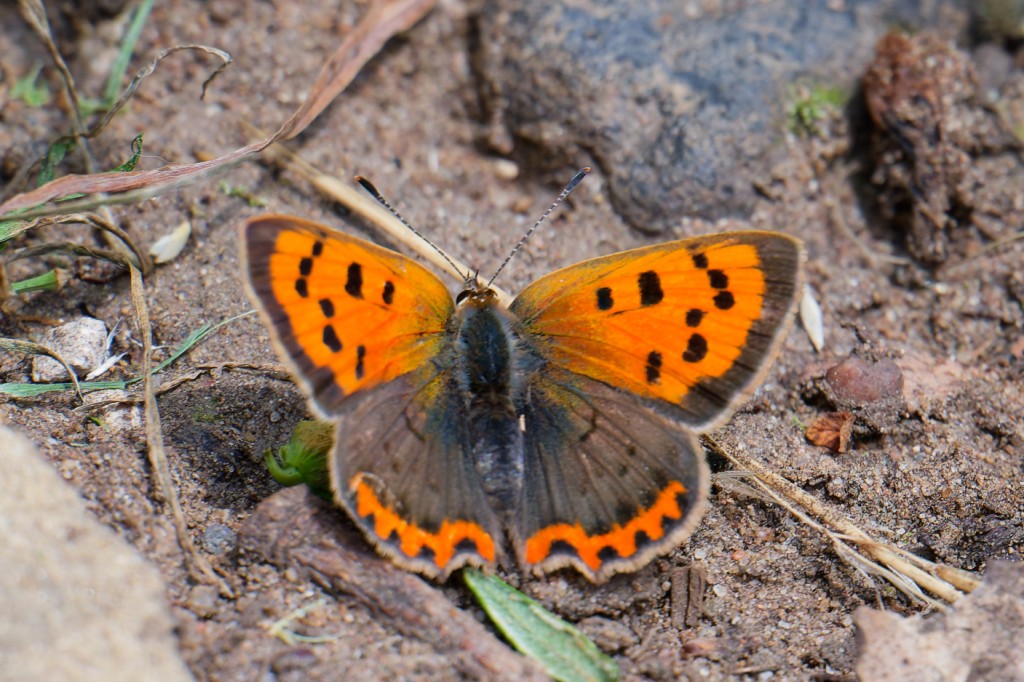
Photo of a Small Copper Cheers David
Submitted by: David Bowman
2026-07-07
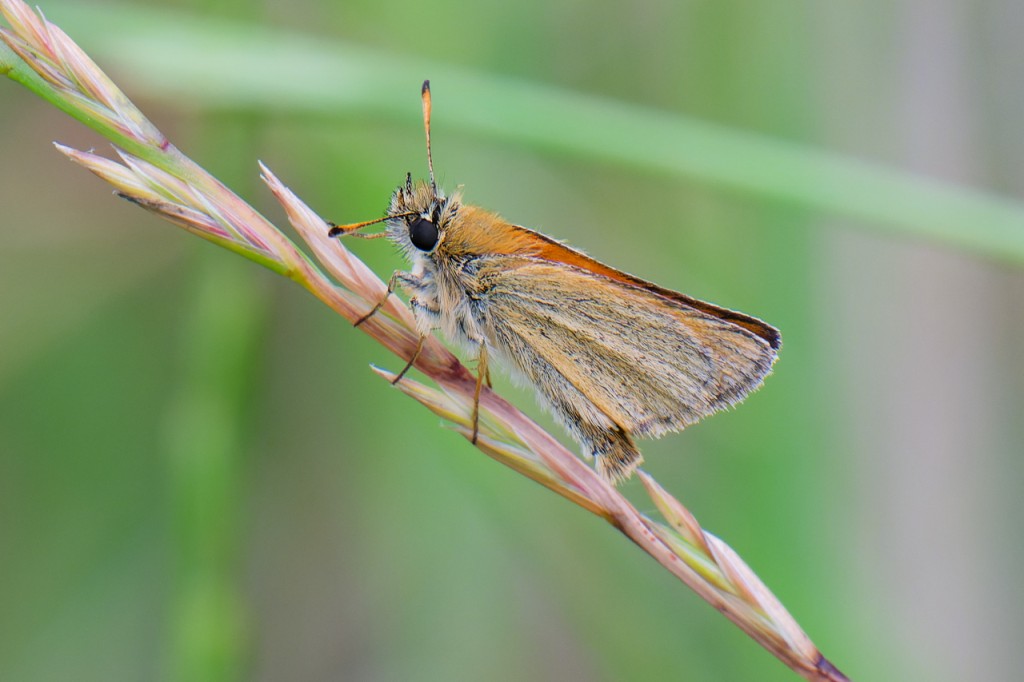
It was pleasant but breezy this morning, with a couple of nice surprises. Firstly, our feral pair of Barnacle Geese. which had failed with a first nesting attempt, surprised us this week when they appeared on No.4 bed with a brood of two small young. Then, today, we almost certainly confirmed a second successful breeding pair of Marsh Harriers. The pair which breeds regularly at the eastern end of the Reserve already has three large young, which are close to fledging. So, we were pleased to see, in another part of the Reserve, a male conducting a food-pass to a female, which then took the food into a potential nest site. We hope to be able to confirm breeding by using an infra-red drone camera. Otherwise, there were a few waders moving, with one Green Sandpiper, 12 Black-tailed Godwits and a couple each of Snipe and Oystercatcher noted, along with a few dozen Swifts. While the breeze reduced the numbers of butterflies and dragonflies on the wing, there was still an excellent variety, with Essex Skipper and Small Copper being the highlights. Photo of an Essex Skipper Cheers David Bowman (with Dan Owen)
Submitted by: David Bowman