
Woolston Eyes Nature Reserve
An S.S.S.I. Managed by Woolston Eyes Conservation Group
Woolston Eyes Monthly Sightings
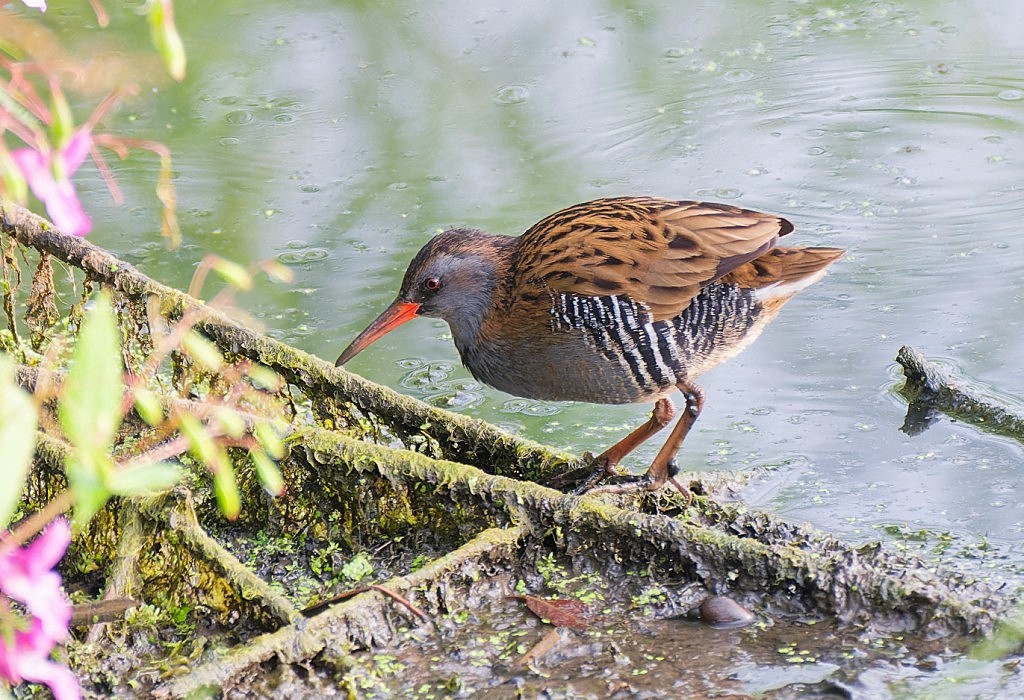
2026-08-22
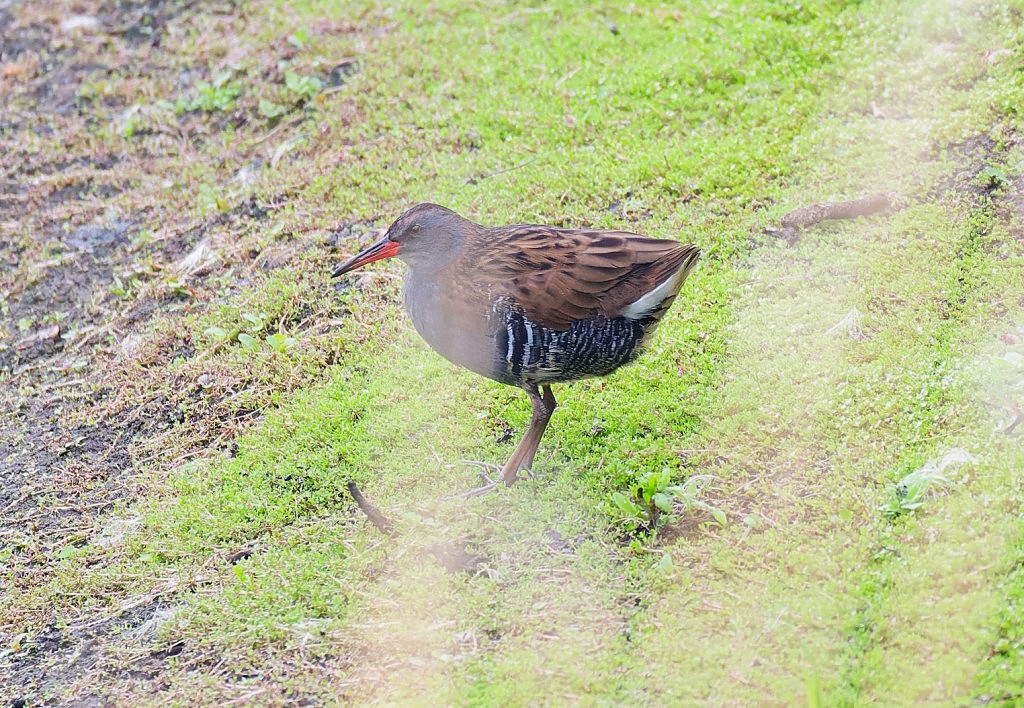
It’s been an exceptional week, in many ways. Last Saturday’s Wetland Birds Survey (WeBS) highlighted the volume of water-birds using the Reserve, with more than 1,000 Gadwall counted across the four beds along with more than 2,000 wetland birds of another 32 species. Warblers have also been present in profusion, feeding on the masses of ripened Elderberries and Blackberries. We’ll never know the numbers of Sylvia warblers which use the Reserve as a migration stop-over every year but we can get an idea from the activity of our No.3 bed team. In one relatively small area of one of the four beds they have, so far, caught 530 passage Blackcaps and 25 Garden Warblers. Remarkable numbers and, interestingly, as the berries now tend to ripen in August rather than September, due to climate warming, so Blackcap passage has shifted to coincide with this. Wader passage has been equally outstanding, for variety if not for volume. Fifteen species of wader have been recorded over the week, with highlights of: Spotted Redshank, Red Knot and Little Stint (all very scarce visitors), along with Ruff, Dunlin, Greenshank, Green Sandpipers, Little Ringed and Ringed Plovers, Black-tailed Godwits, Common Redshank, Common Sandpipers, Woodcock, Snipe and Lapwing. Other sightings of interest have included: Hobby, 20 Tree Pipits, 6 Black-necked Grebes, 3 Little Egrets, up to 6 Willow Tits and 2 Hummingbird Hawk-moths. Photo of a Water Rail Cheers David Bowman (with Dan Owen, Helen Wynn and Brian Baird)
Submitted by: David Bowman
2026-08-13
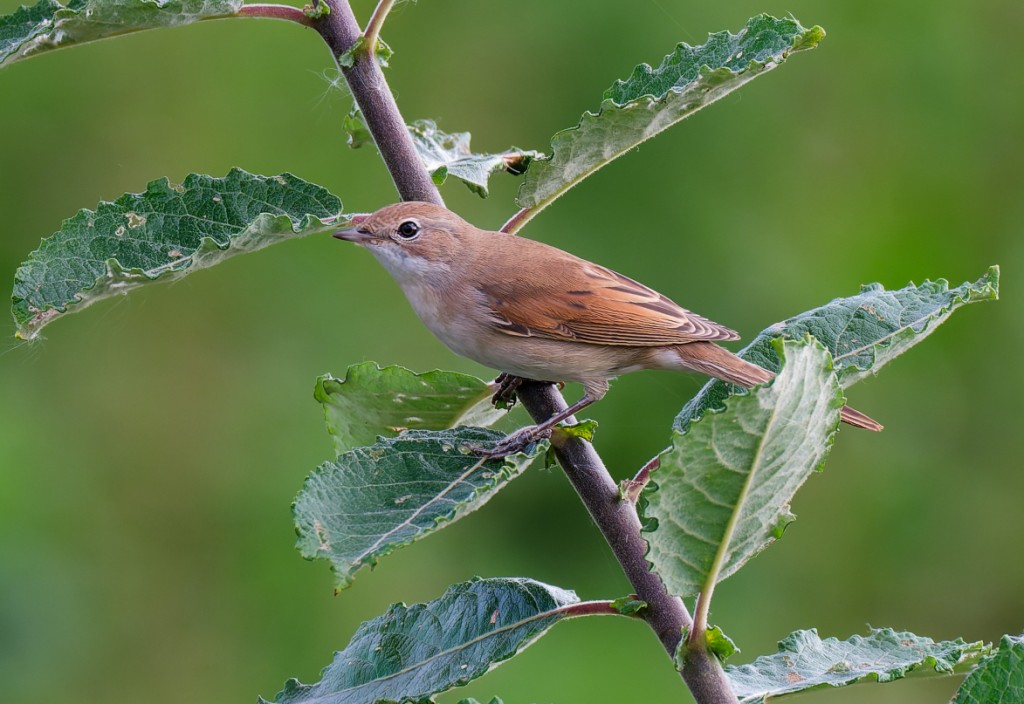
Things have really started to gather pace over the past week, with a few waders starting to move through and phenomenal numbers of warblers arriving to feed on the masses of early ripening Elderberries and Blackberries. The Red Knot with a damaged wing was still present this morning on No.4 bed, along with a Ruff and 3 Green Sandpipers. Over on No.3 bed the recently lowered water level was also proving attractive to waders, with 20 Common Snipe, 3 Green Sandpipers and 4 Black-tailed Godwits in front of the Morgan Hide. Other sightings included 3 Willow Tits and a light southward passage over No.4 bed of: 6 Tree Pipits, 1 Yellow Wagtail, 1 Yellowhammer and 7 Swifts. The warbler numbers are particularly notable and on Tuesday we watched scores of Whitethroats and Blackcaps passing in front of the Morgan Hide, along with half-a-dozen Garden Warblers and a few Reed Warblers. Similar numbers were present this morning and you get a sense of the numbers passing through from the No.3 bed ringing team, which, in two morning visits, caught 200 Blackcaps. Given that ringing only takes place in small areas of two of the four beds, the total numbers passing through in autumn must be in the many thousands. As increasing development and degradation takes place along migration routes, the role of stop-over sites like Woolston become ever more important, allowing small birds to put on enough fat to help them on their long and arduous migratory flights. Photo of a Whitethroat Cheers David Bowman (with Dan Owen and Gilbert Wieringa)
Submitted by: David Bowman
2026-08-08
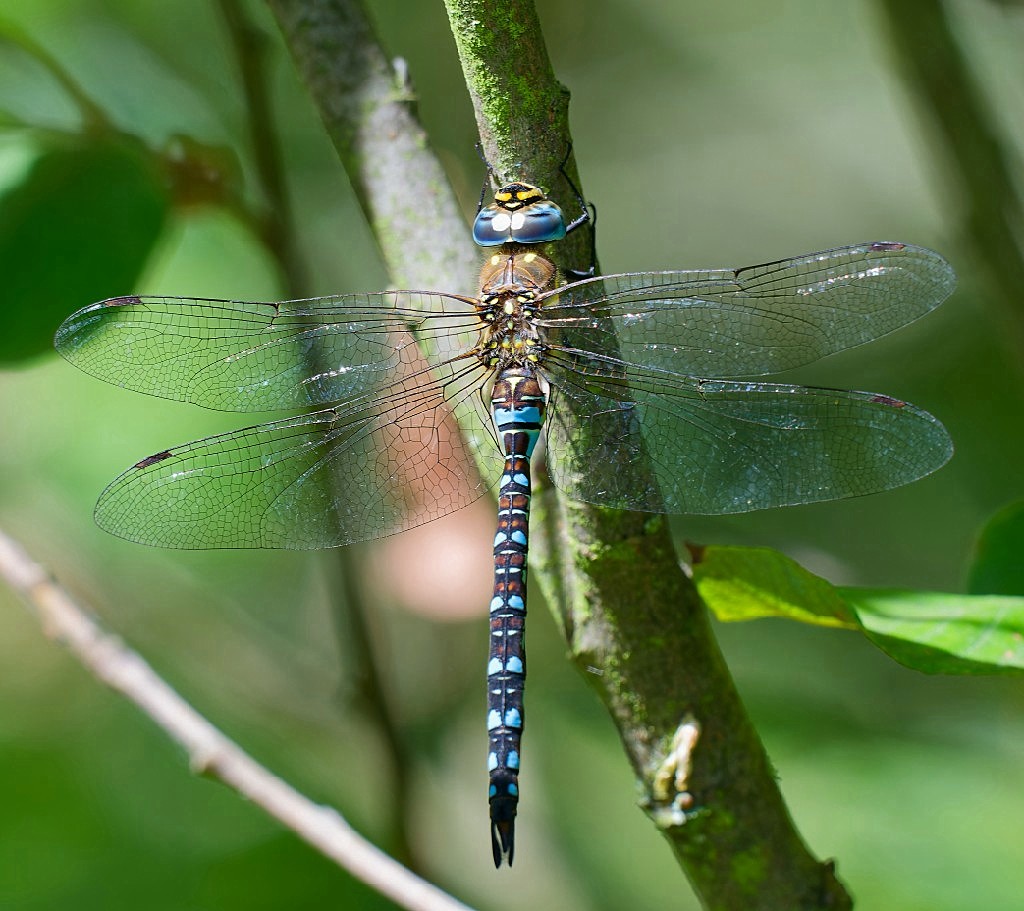
Photo of a Migrant Hawker Cheers David
Submitted by: David Bowman
2026-08-08
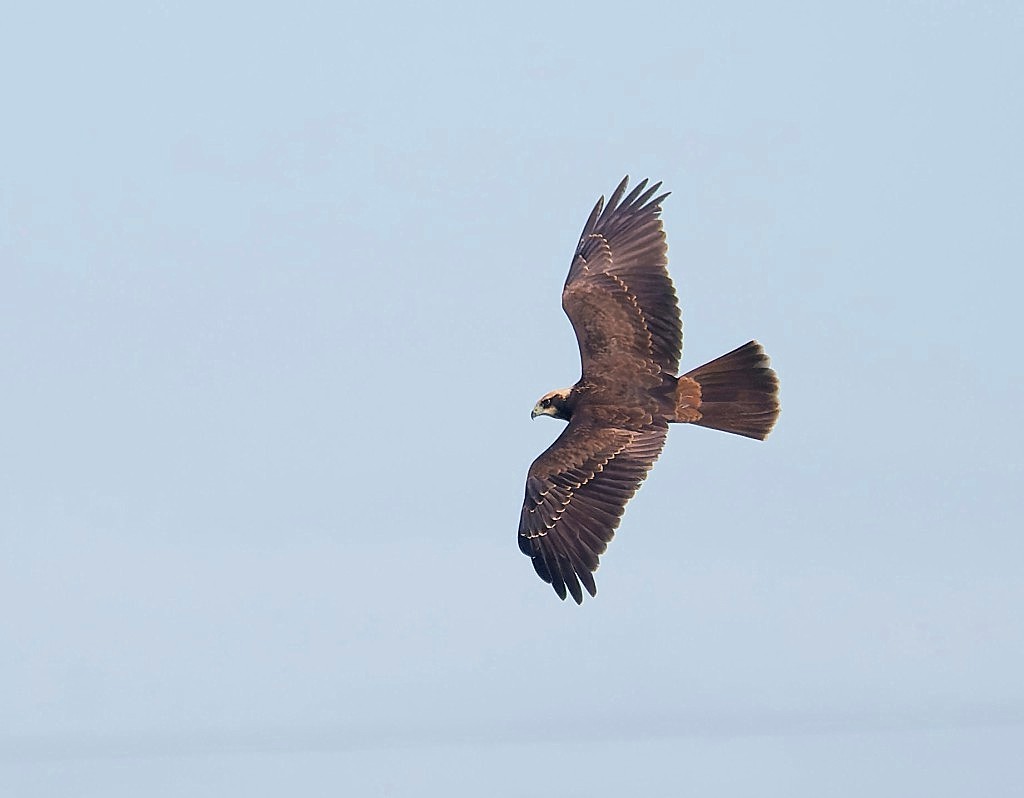
Photo of a juvenile Marsh Harrier. Cheers David
Submitted by: David Bowman
2026-08-08
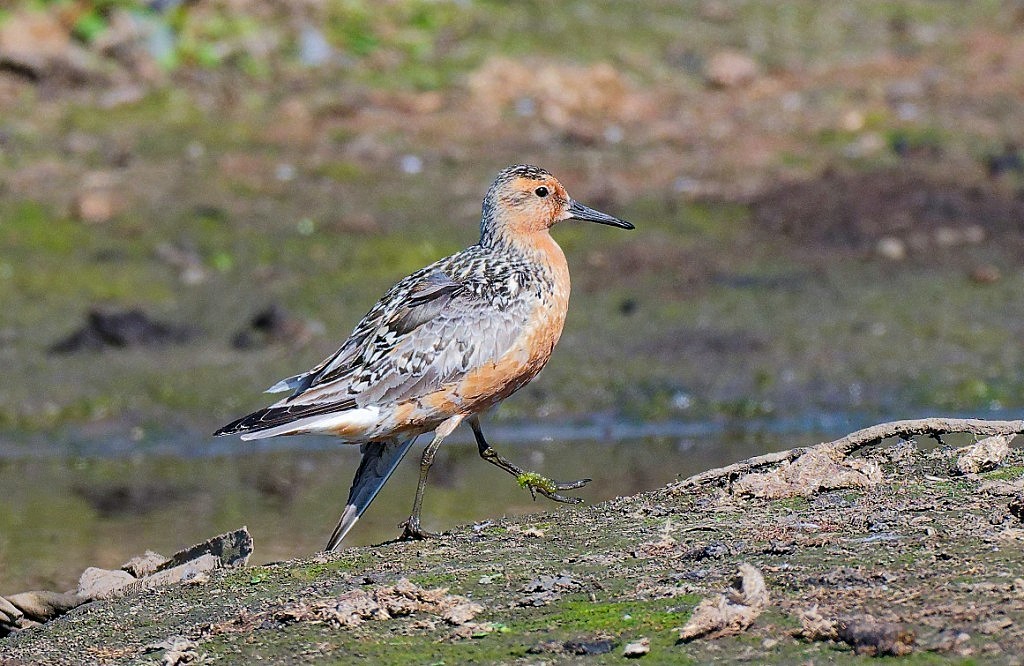
It was an excellent late summer morning today. Blue skies and hazy cloud with a light westerly keeping the temperature down. It started well when Dan found a summer plumaged Knot on No.4 bed. While Knot can be very numerous on UK estuaries in winter, they are much less common at inland sites. In fact, we haven’t recorded one since the late 1980s when No.4 bed was a wide open sea of mud and they were almost annual visitors. Some of the pleasure was taken away from the sighting, however, when it was harassed by Carrion Crows, suffering a damaged wing in the process. Birds are pretty resilient, though, and hopefully it can rest and recover before carrying on its journey from the Arctic tundra to its coastal wintering grounds. In contrast there was no down-side to seeing two recently fledged, un-ringed Marsh Harrier young, confirming that two pairs have successfully bred on the Reserve for the first time. Other sightings included: 1 Hobby, 1 Greenshank, 3 Green Sandpipers, 15 Snipe, 1 Tree Pipit and 1 Yellow Wagtail. The warm weather also brought out plenty of dragonflies, with counts of: 32 Migrant Hawkers, 6 Southern Hawkers and 5 Brown Hawkers, while among the butterflies a Holly Blue was the pick of the bunch. Photo of the Knot with damaged wing Cheers David Bowman (with Dan Owen, Brian Baird and David Spencer)
Submitted by: David Bowman
2026-08-02
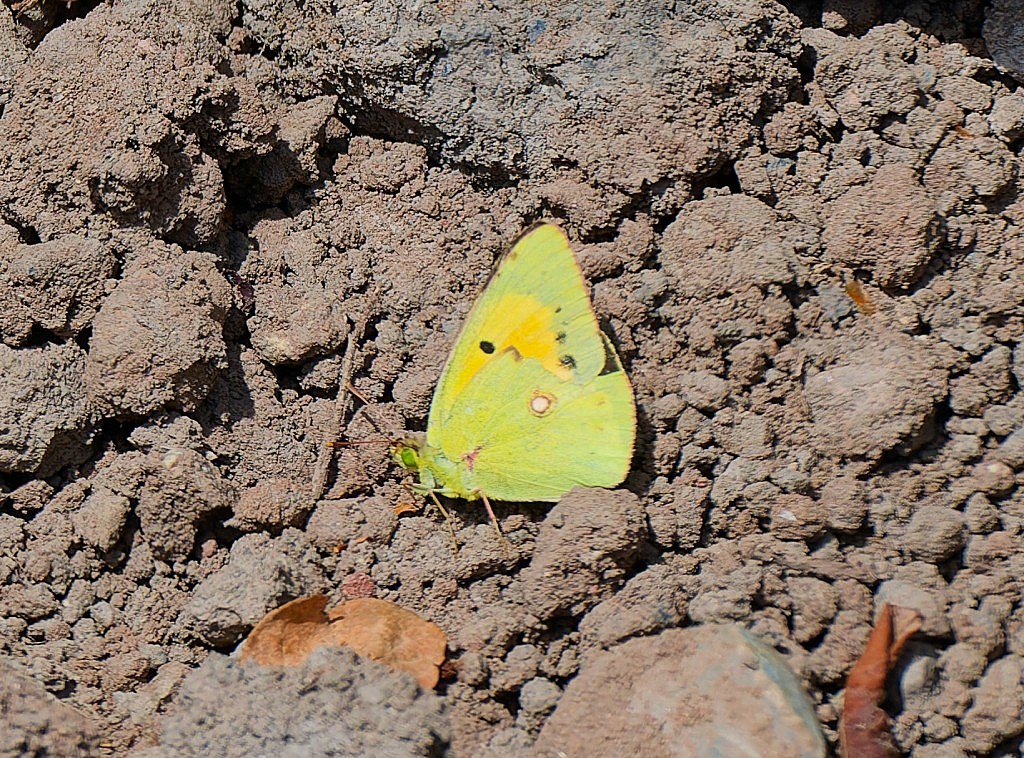
Record shot of a Clouded Yellow. Cheers David
Submitted by: David Bowman
2026-08-02
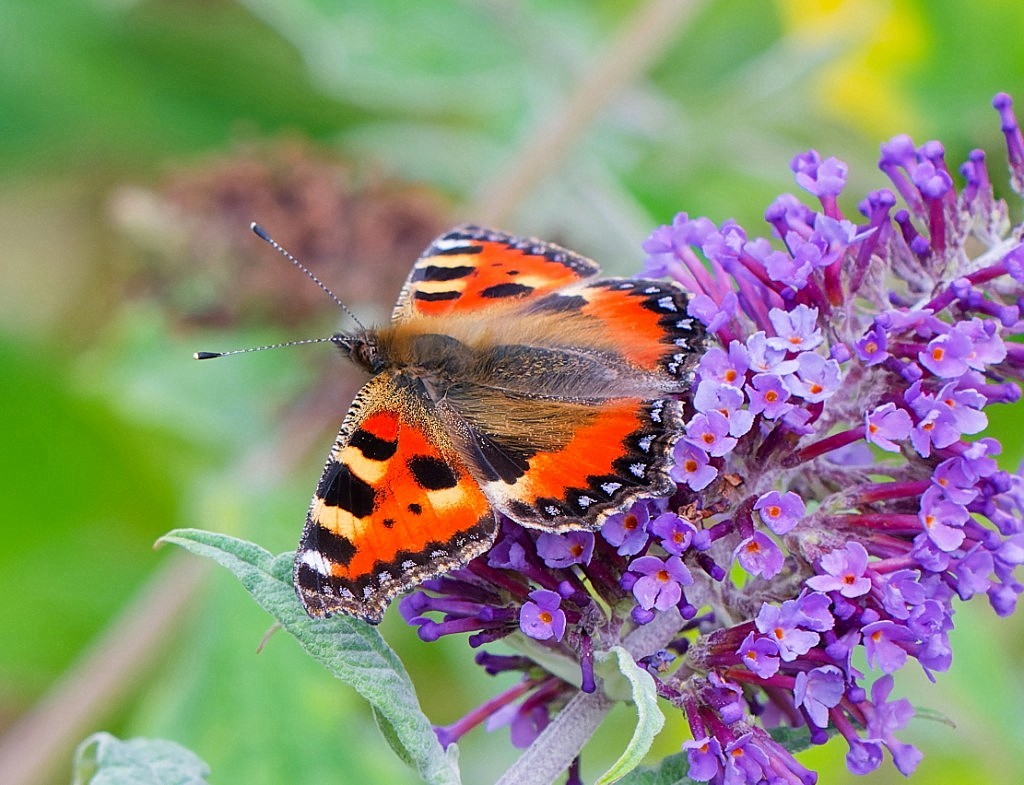
Photo of a Small Tortoiseshell. Cheers David
Submitted by: David Bowman
2026-08-02
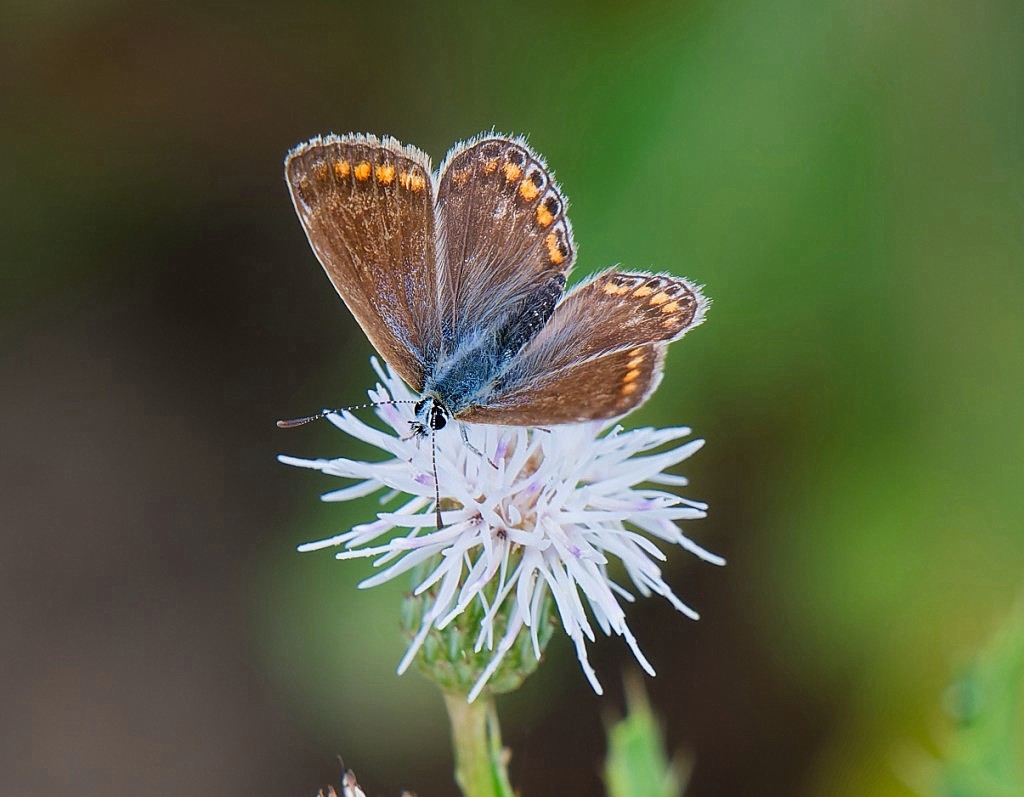
Photo of a female Common Blue Cheers David
Submitted by: David Bowman
2026-08-02
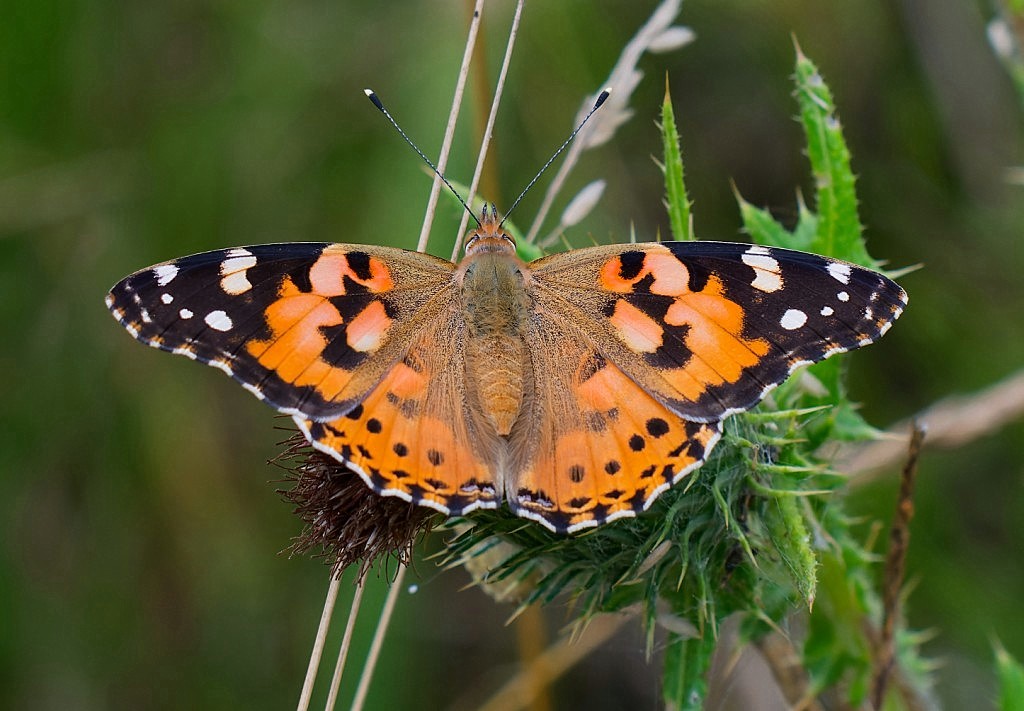
Photo of a fresh Painted Lady Cheers David
Submitted by: David Bowman
2026-08-02
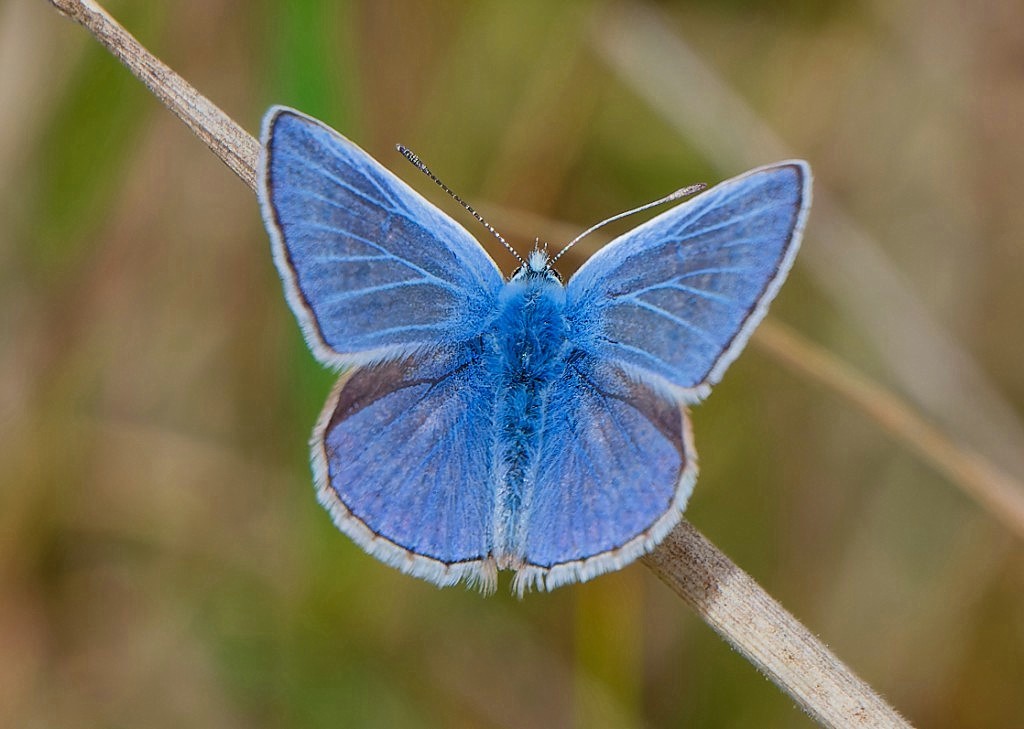
Photo of a male Common Blue Cheers David
Submitted by: David Bowman
2026-08-02
Photo of a Water Rail Cheers David
Submitted by: David Bowman
2026-08-02
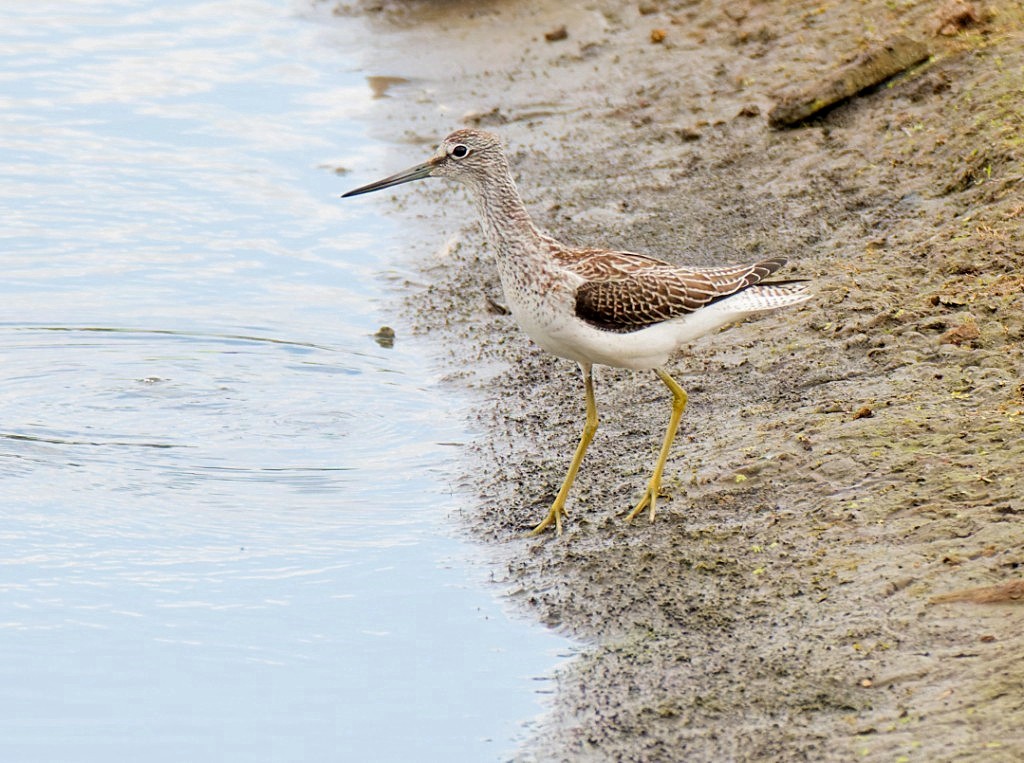
Photo of a Greenshank Cheers David
Submitted by: David Bowman
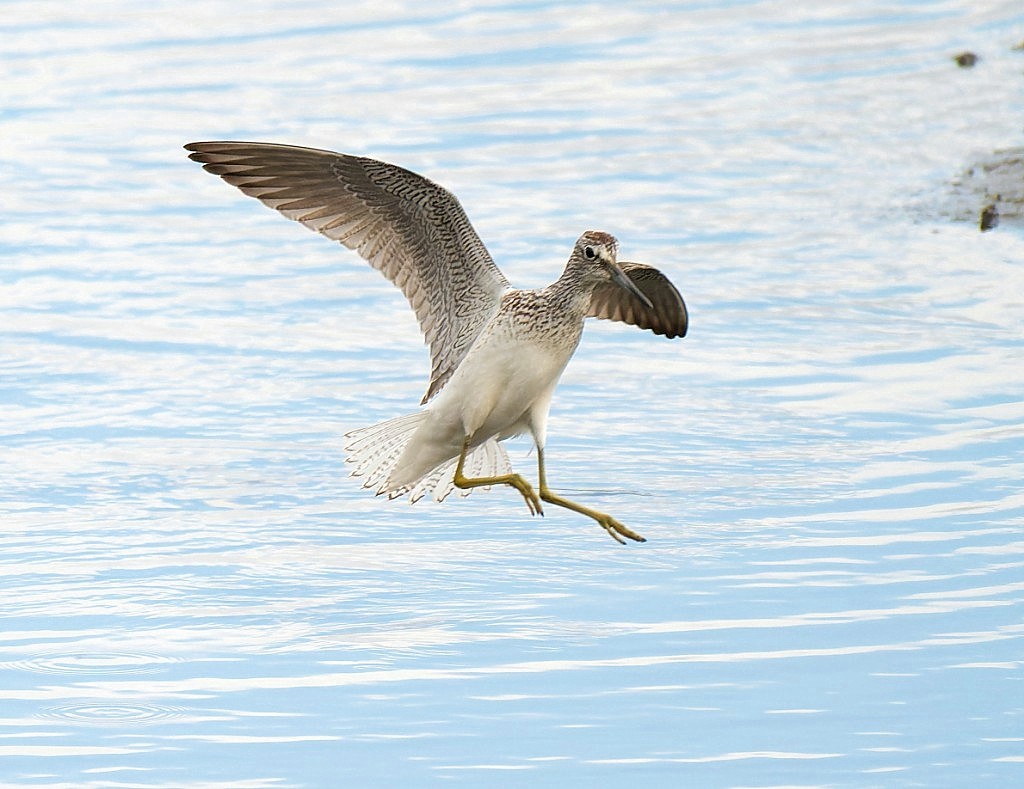
2026-08-02
Photo of an in-coming Greenshank Cheers David
Submitted by: David Bowman
2026-08-02
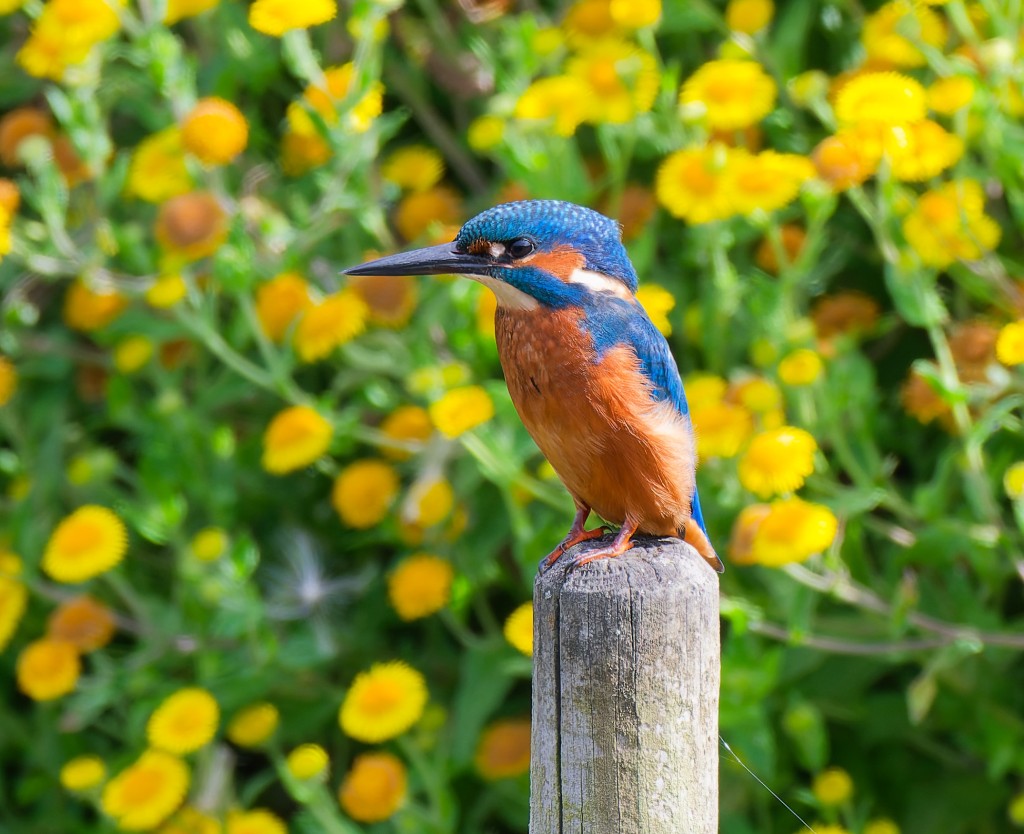
Yesterday we started in the Morgan Hide on No.3 bed, before heading down to No.1 bed for a butterfly and dragonfly survey. On our way into the bed, a quick scan from the South Screen produced good but brief views of a hunting Weasel, which are fairly common and most easily seen at this time of year. In late summer, when the water levels are at their lowest, it’s always rewarding to spend time watching the Morgan Hide scrape for passing waders, as well as for Kingfishers using the fence posts as perches and Water Rails probing along the muddy margins. Both of the latter showed well, while Greenshank, Redshank, Green Sandpiper and Snipe also put in appearances. Mid-morning, with the sun starting to win the battle with the breeze and the temperature rising, we set of for No.1 bed. It has been a remarkable summer for butterflies in particular, with Reserve records set for many species, including Clouded Yellow, Essex Skipper, Red Admiral and Ringlet. Even so, the numbers present were amazing, with around 500 butterflies of 13 species counted. Highlights were the four Clouded Yellows (bringing the Reserve total to 14), 169 Common Blues and 72 pristine Painted Ladies. Spectacular! Photo of a Kingfisher Cheers David Bowman (with Dan Owen, Helen Wynn and Brian Baird)
Submitted by: David Bowman