
Woolston Eyes Nature Reserve
An S.S.S.I. Managed by Woolston Eyes Conservation Group
Woolston Eyes Monthly Sightings
2026-09-10
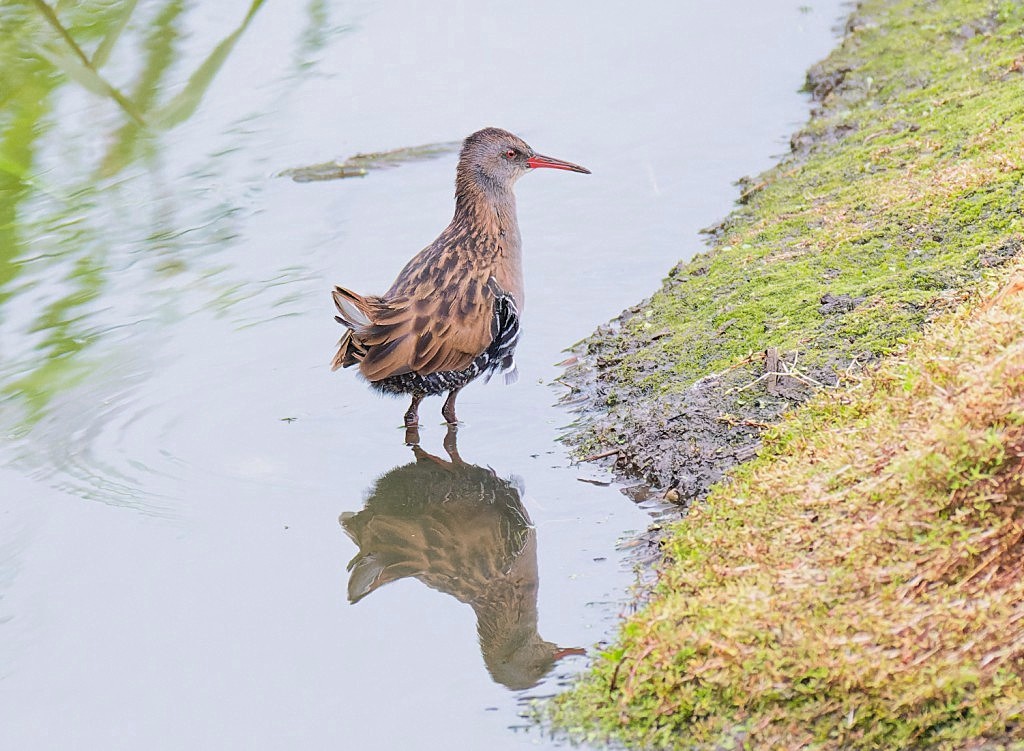
A lot have people have expressed an interest in the Reserve since the recent article in The Guardian and the follow up item on the BBC’s North West Tonight programme, which aired yesterday. The focus of both was on our success in developing a large new wetland on No.4 bed, to increase our breeding Black-necked Grebe population. So, it seemed worth reminding people that a permit and entry key for visiting can easily be obtained via our website at www.woolstoneyes,com. Equally, if you are keen to see a Black-necked Grebe, its worth knowing that most of our population has already set off on its southward migration, though one or two can still be seen on No.4 bed with a bit of diligent searching. There is still plenty to see though, as evidenced by this morning’s visit to the Morgan Hide, which produced our earliest ever skeins of Pink-footed Geese, Green Sandpiper, Kingfisher, Water Rail, Snipe, Sparrowhawks, Kestrel, Yellow wagtail, Grey Wagtail, Pied Wagtails, scores of passing Swallows, House Martins and Meadow Pipits and finally, a surprise Wheatear on the Morgan Hide scrape, found by our Assistant Warden, Mike Flaherty. So, well worth a visit! Photo of a Water Rail Cheers David Bowman (with Dan Owen)
Submitted by: David Bowman
2026-09-05
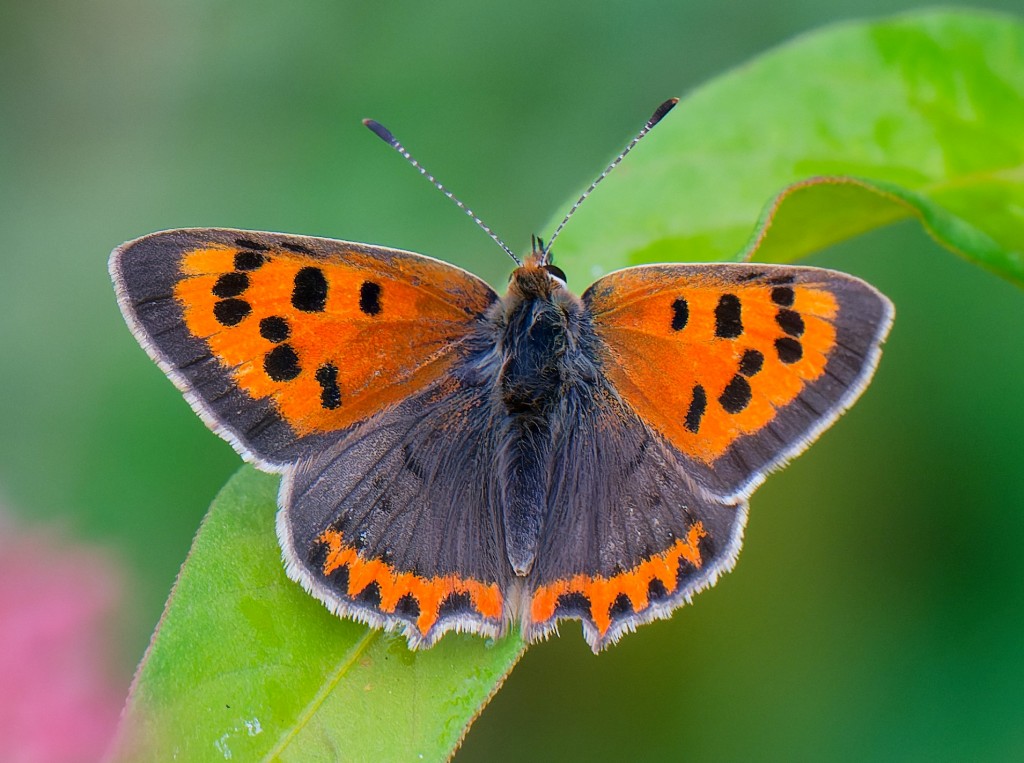
Photo of a Small Copper Cheers David
Submitted by: David Bowman
2026-09-05
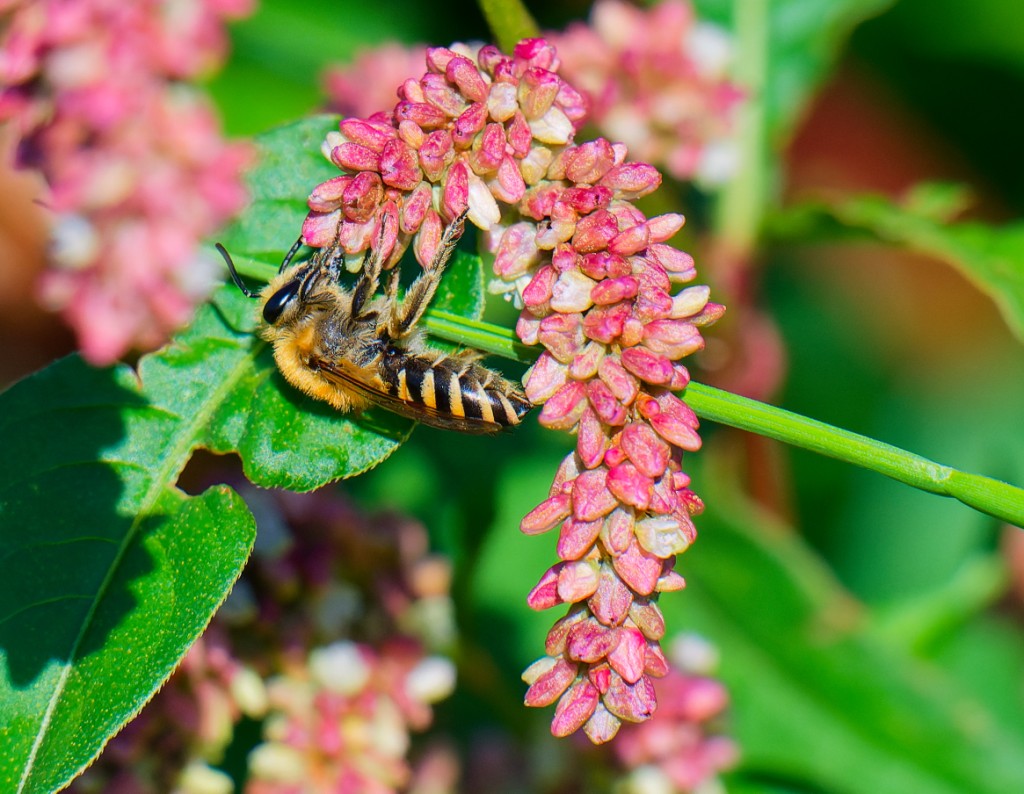
Photo of an Ivy Bee. Cheers David
Submitted by: David Bowman
2026-09-05
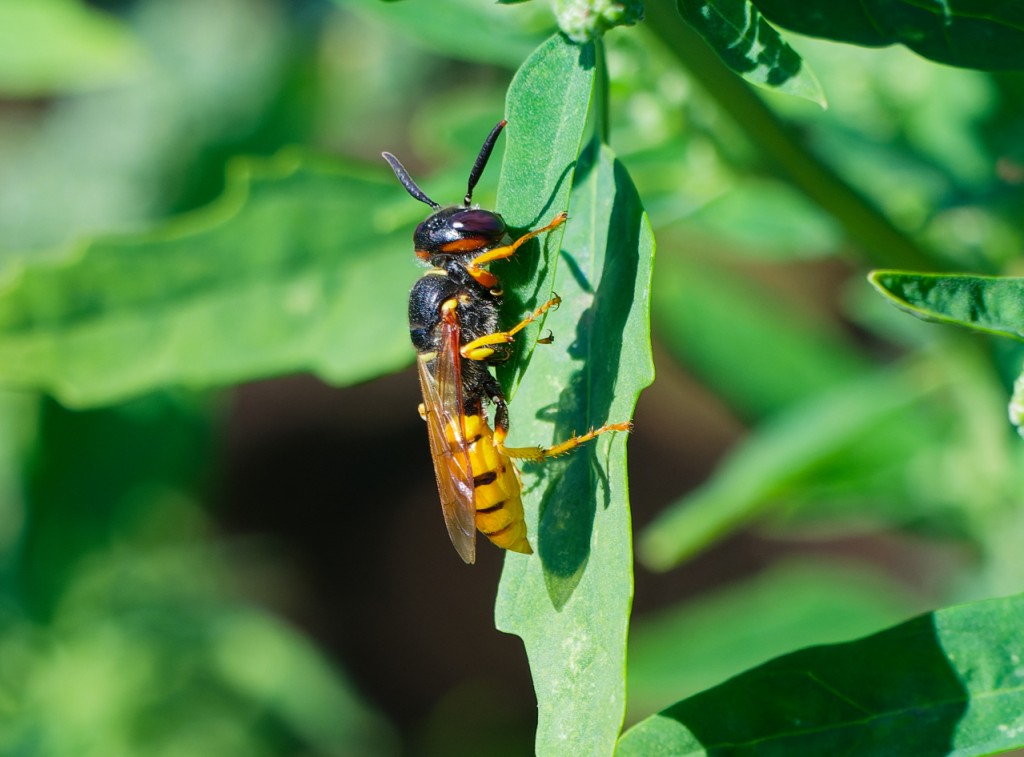
Photo of a Beewolf Cheers David
Submitted by: David Bowman
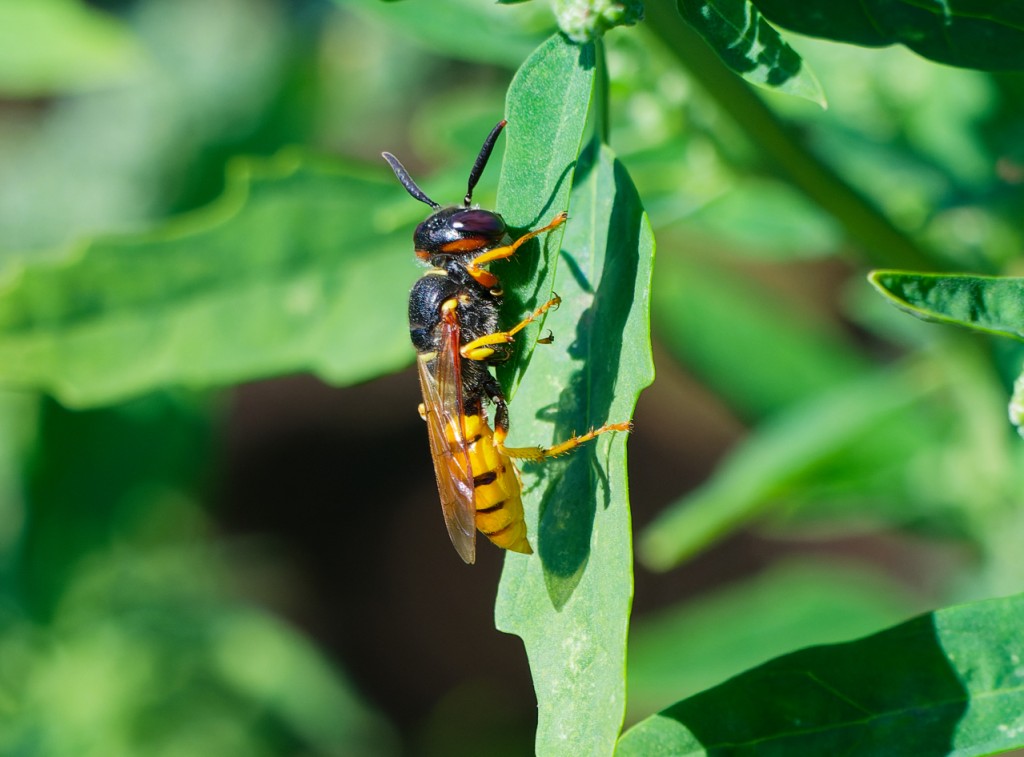
2026-09-05
Photo of a Beewolf Cheers David
Submitted by: David Bowman
2026-09-05
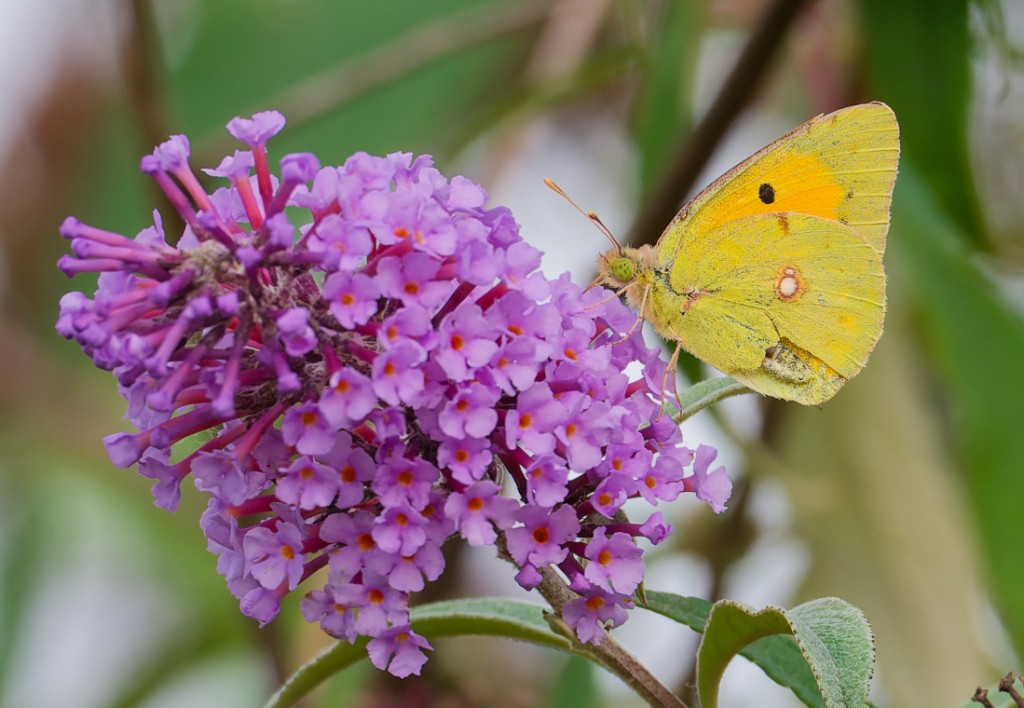
It was cloudy with a light westerly and a hint of drizzle early this morning, with the sunshine which was forecast struggling to break through till later on. We started on No.3 bed, where a single Green Sandpiper, a passing Little Egret, a Kingfisher and a dozen Snipe were the main birds of note. A steady movement of around 80 Swallows and a single Sand Martin were more than matched by the 200 House Martins which Dan reported over No.4 bed, the latter attracting the attentions of a Hobby. It’s been a good year for insects on the Reserve, with Lesser Emperor being added to the list and Red-veined Darter, only our second record, recently identified from a photograph by John Tymon. In addition, the Beewolves and Ivy Bees found earlier in the week were also our first ever sightings. Alongside the huge influx of Painted Ladies, it has also been an unprecedented year for Clouded Yellow butterflies, with 24 noted up till this morning, when we managed to locate another 10 on No.1 bed, where they showed a preference for the masses of yellow flowers on the stony grassland, though one seemed happy enough feeding on one of the many Buddleias scattered around the bed, as did a Hornet Hoverfly. The adults of these large Hornet-mimics migrate to the UK from the Mediterranean and lay their eggs in the nests of wasps and hornets. Photo of a Clouded Yellow Cheers David Bowman (with Dan Owen and Helen Wynn)
Submitted by: David Bowman